Personalised Cancer Care
Ireland’s largest cancer research programme is transforming how cancer is detected, diagnosed and treated through precision medicine.
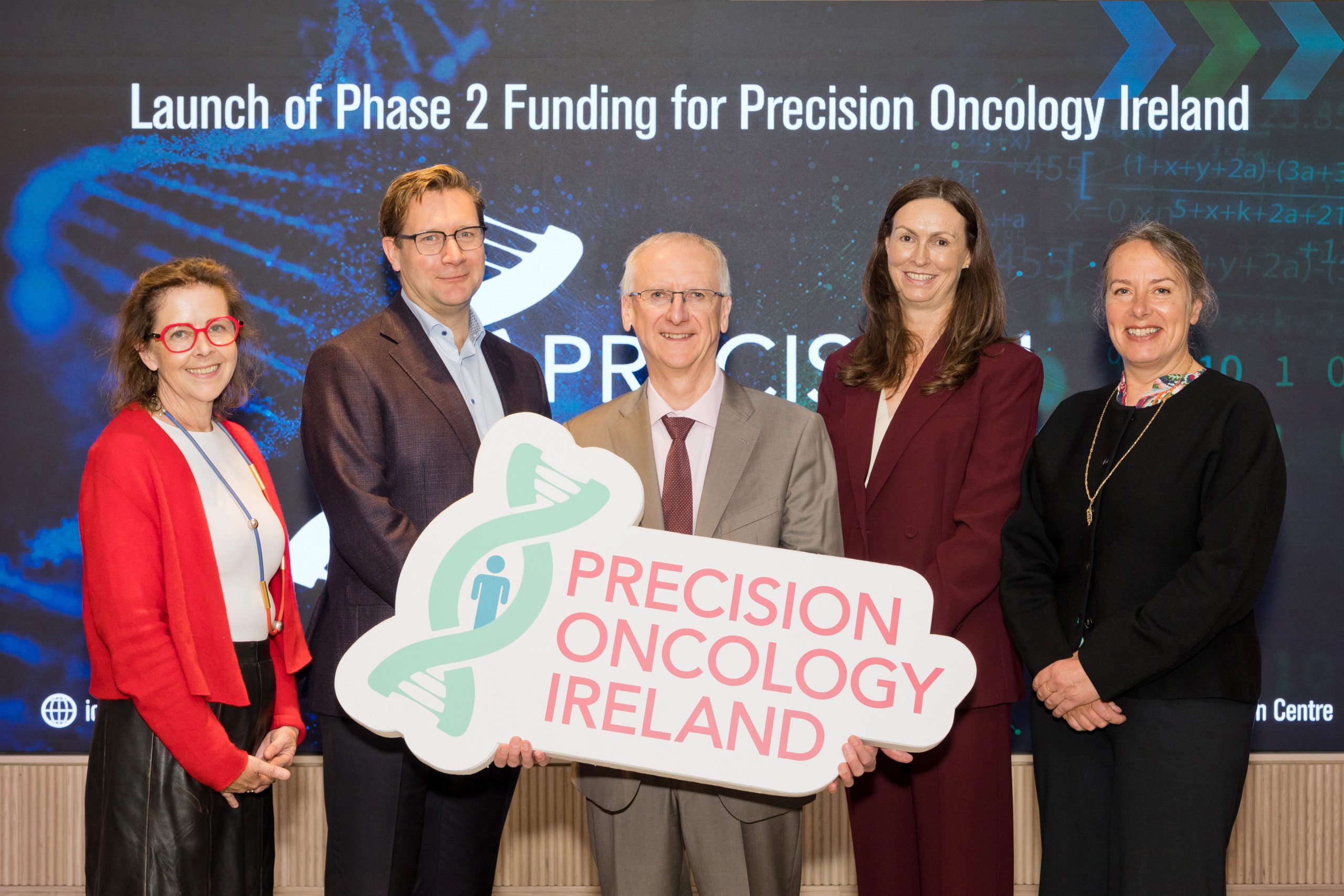
Professor Walter Kolch, Director of Systems Biology Ireland at University College Dublin, leads Precision Oncology Ireland (POI), Ireland’s largest cancer research programme. Supported through the Research Ireland Strategic Partnership Programme, POI brings together universities, charities, non-profit organisations and industry partners with a shared mission to transform how cancer is detected, diagnosed and treated.
The programme entered a new phase in October 2025, expanding significantly in scale and ambition. What began as a partnership between five universities, six charities and seven industry partners has grown to include six academic institutions, 15 charities and non-profit organisations, and 10 industry partners, creating one of Ireland’s most extensive collaborative cancer research networks.
POI is moving beyond a one-size-fits-all approach to cancer treatment by developing more precise diagnostics and personalised therapies for patients across Ireland. The programme has expanded genomic sequencing for childhood cancers, leading to more accurate diagnoses and helping clinicians identify less toxic treatment options for young patients.
Researchers are also using computational “digital twin” models to predict how individual tumours will respond to different treatments. This approach has already informed new clinical trials for pancreatic cancer and is helping to accelerate the development of more tailored treatment pathways.
By bringing together researchers, clinicians, patients, charities and industry partners, POI has created a highly collaborative ecosystem where scientific discoveries can be translated more quickly into clinical practice. Through advances in the detection and treatment of cancers including oesophageal, blood and breast cancer, the programme is strengthening Ireland’s cancer research capacity while contributing to improved outcomes and quality of care for patients.