Training Ireland’s next generation of space talent
Ireland’s first satellite, EIRSAT-1, re-entered Earth’s atmosphere in September 2025 after successfully completing its historic two-year mission.
Built by University College Dublin and launched in 2023, the EIRSAT-1 satellite demonstrated Ireland’s ability to design, build and operate a spacecraft, strengthening national expertise and laying the foundations for future growth in the Irish space sector.
During its time in orbit, EIRSAT-1’s Gamma-ray Module (GMOD) successfully detected 12 cosmological gamma-ray bursts and two solar flares. The results demonstrated the performance of novel technology developed in Ireland under the leadership of EIRSAT-1 System Engineer and GMOD Instrumentation Expert, Dr David Murphy.
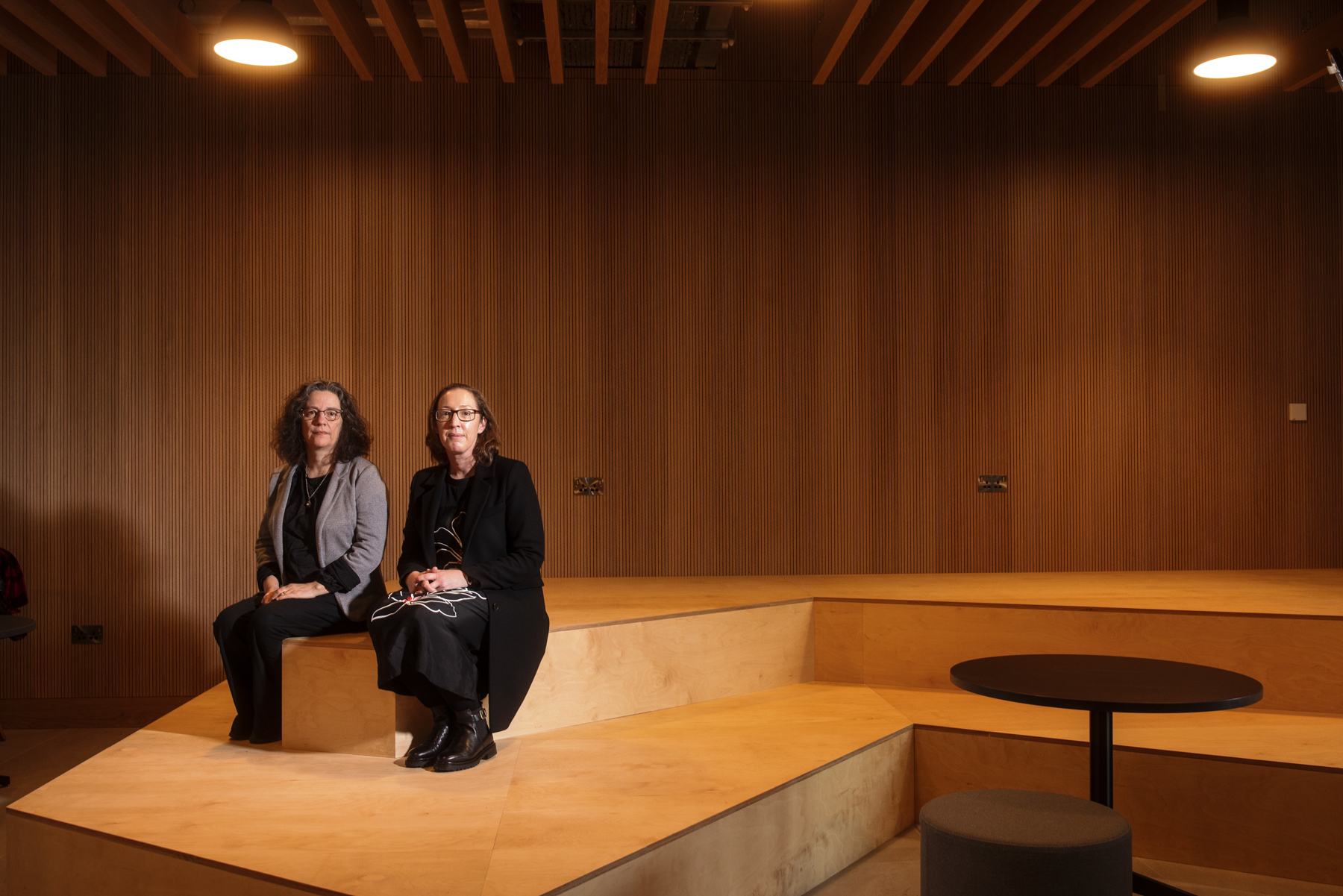
The mission helped train more than 50 students, many under the supervision and mentorship of Professors Lorraine Hanlon and Sheila McBreen, contributing to a new generation of Irish space scientists. The cohort included postgraduate researchers in physics, engineering, computer science and mathematics, as well as 13 PhD students funded through Irish Research Council scholarships. The project also received support from the Education Office of the European Space Agency (ESA).
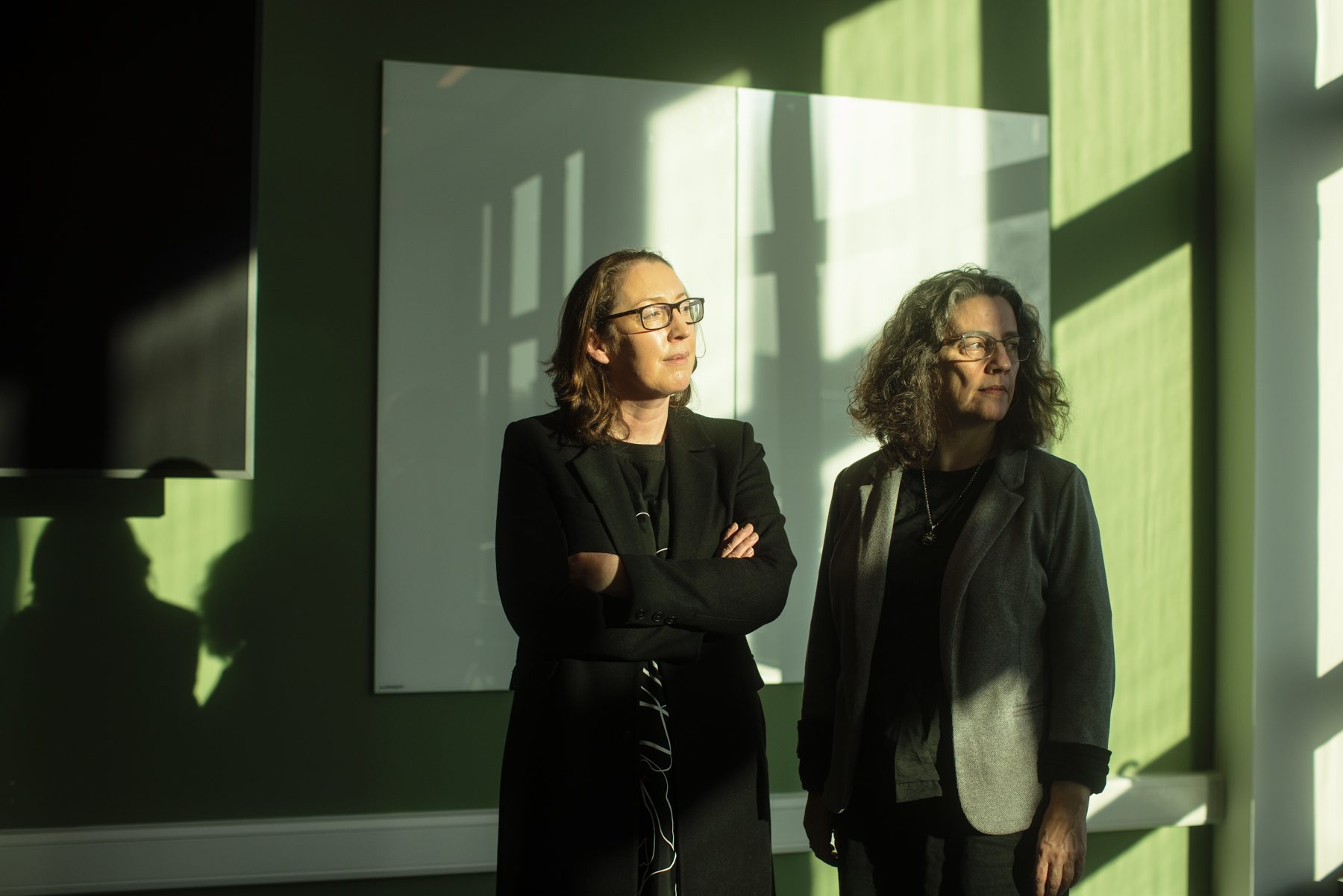
Professor Lorraine Hanlon’s €998,000 Frontiers for the Future award has built on the success of EIRSAT-1 by exploring nanosatellites as a platform for innovation and research in the global space sector. Director of UCD’s Centre for Space Research and Principal Investigator of EIRSAT-1, she is a former Chair of ESA’s Astronomy Working Group and an adviser to Ireland’s ESA Science Programme Delegate.
Professor Sheila McBreen, an astrophysicist in UCD’s School of Physics, served as Science Lead for both the mission and the GMOD instrument. Following earlier support through a Career Development Award, she secured a €1 million Frontiers for the Future award to further investigate gamma-ray bursts. Her career has included roles with ESA and the Max Planck Institute, as well as a Marie Curie Fellowship, and she has maintained a long-standing commitment to advancing gender equality in science.
The result of more than a decade of research, EIRSAT-1 has helped create a significant pipeline of Irish space talent and expertise. Graduates from the programme are now contributing at the forefront of next-generation technologies, bringing valuable skills and experience to both research and industry.