Unlocking the nutritional power of Irish-grown oats
Researchers at Teagasc are finding new ways to maximise the health benefits of a familiar staple.
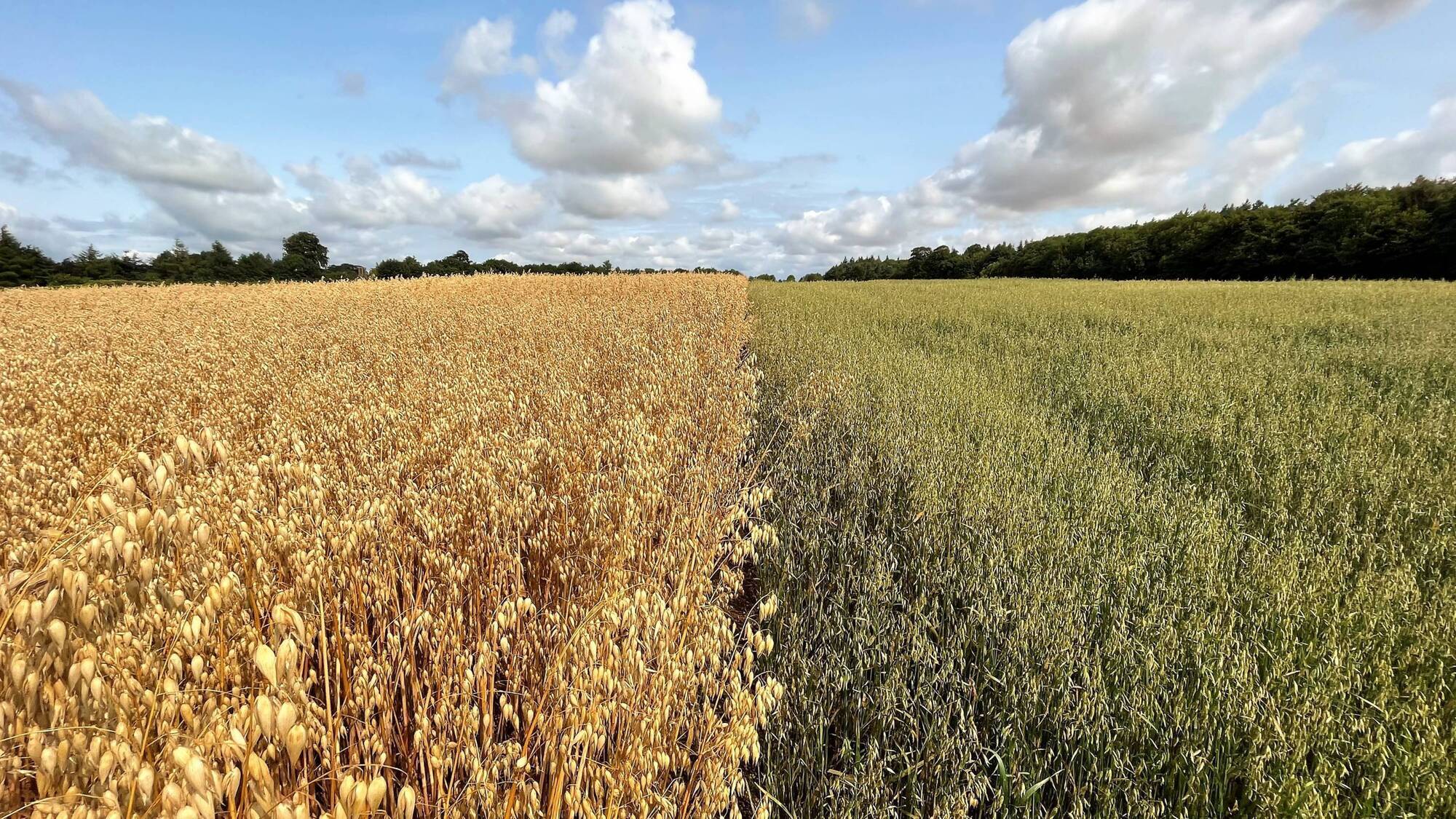
By mapping the nutritional profiles of almost one hundred oat varieties, we have seen remarkable diversity showing that oats hold untapped nutritional potential. By choosing the right variety, we can support consumers in meeting their nutritional requirements more effectively.
– Dr. Daniela Freitas, Research Ireland Pathway Fellow at Teagasc
Oats are a familiar sight in kitchen cupboards, on breakfast tables and in cafés across the country. They are widely recognised as a healthy, nutritious staple food, and are associated with sustained energy release and improved heart health. New research, however, has shown that not all oats are nutritionally equal, and that the health benefits associated with oats can vary considerably, depending on the variety grown and used.
Researchers at Teagasc working on the NutriOats project, led by Research Ireland Pathway Fellow Dr. Daniela Freitas, carried out one of the most comprehensive analyses of oat composition to date. The study, conducted by PhD researcher Nefeli Lampoglou, examined 95 different varieties of oats grown in Ireland. Their findings revealed major differences in key nutrients, including protein, fats, fibre and β-glucan – the soluble fibre with cholesterol-lowering benefits. This means that some oats can be significantly more nutritious than others, creating opportunities to think differently about how oats are selected, grown and used in food products.
The study set out to better understand how both genetics and growth conditions can influence the composition and nutritional value of oats. The team analysed oats grown in field trials in Teagasc Oak Park, County Carlow, alongside a smaller number grown under controlled glasshouse conditions. The design allowed researchers to compare the impact of growing conditions on grain composition.
Striking levels of variation in nutrient content were identified, in ways that could directly impact everyday diets and health. For example, protein content ranged from around 11% to nearly 23% across the oat varieties studied. In practical terms, this means that a standard serving of porridge could provide anywhere from roughly 4 grams of protein (similar to a slice of whole wheat bread) to over 8 grams of protein (more than a serving of kidney beans). Some oat varieties were so protein-rich that a standard portion of porridge cooked with milk could contain more protein than two eggs. These kinds of comparisons make it clear that oats could act as a much more significant source of dietary protein than many people might assume.
A similar pattern was observed for β-glucan, the fibre linked to lowering cholesterol, with values ranging from less than 3% to over 6.5%. These differences matter, because the established cholesterol-lowering benefits of oats hinge on reaching specific intake levels of β-glucan. Achieving these daily intake targets is not always possible through typical servings of commercial, oat-based foods such as porridge or muesli. The findings suggest that selecting the right oat varieties could help people improve their health more easily through foods they already eat and are familiar with, without requiring major dietary or lifestyle changes.
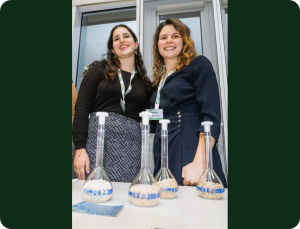
PhD researcher Nefeli Lampoglou (left) and NutriOats project leader Dr. Daniela Freitas (right).
This work has important implications for how oats are thought about across the food chain. Traditionally, oat varieties have been selected largely based on their agronomic performance – particularly crop yield and resilience – with less attention paid to nutritional value and composition. This research suggests that nutritional quality should also be a key part of the picture. By mapping these nutritional differences in detail, the study provides a stronger evidence base for breeders, farmers and food producers to identify and select oat varieties that combine strong field performance with improved nutritional quality.
The NutriOats project is already influencing agricultural practice. Seed growers are starting to use these findings to prioritise cultivars that combine superior nutritional quality with strong yield and resilience traits. Seeds from seven lines have been shared with the Irish Seed Savers Association for an on-farm evaluation, while Teagasc advisors are assessing their suitability in organic production systems. In parallel, material is being trialled with the Agri-Food and Biosciences Institute as part of the Co-Centre for Sustainable Food Systems. Dr. Freitas and her team’s work provides a clear example of how publicly-funded research can create new knowledge and impact that extend beyond our universities and research bodies, and into everyday life.
Who is involved?
Teagasc, University College Cork
Find out more:
Read the paper in npj Science of FoodRead the paper in npj Science of Food