Bringing a forgotten filmmaker back into focus
How a collaboration between two researchers helped to revive the lost films of a pioneering female Irish artist.
In a year where Ireland’s filmmaking and acting talent continued to captivate audiences around the world, two Irish researchers were busy shining the spotlight on a filmmaker whose work had almost slipped out of national memory.
That filmmaker was Flora Kerrigan, a Cork artist active in the late 1950s and early 1960s whose films once drew considerable national and international attention. Her animations and live-action shorts were broadcast on RTÉ and screened at international amateur film festivals, earning press coverage in Irish newspapers and specialist film magazines. Despite this early success, her work gradually faded from Ireland’s film history after she moved to the UK, leaving a notable gap in the record of women’s contribution to Irish film.
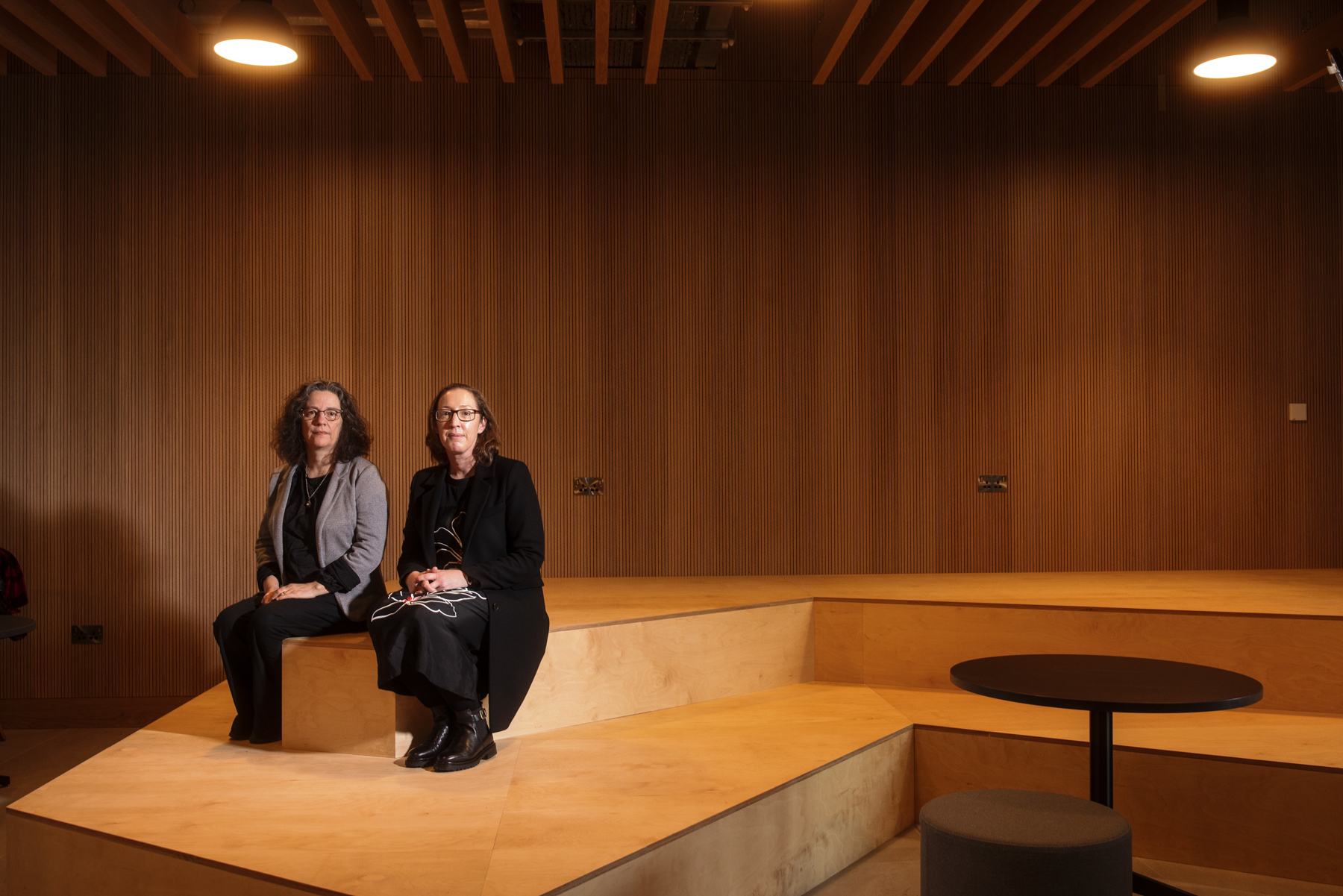
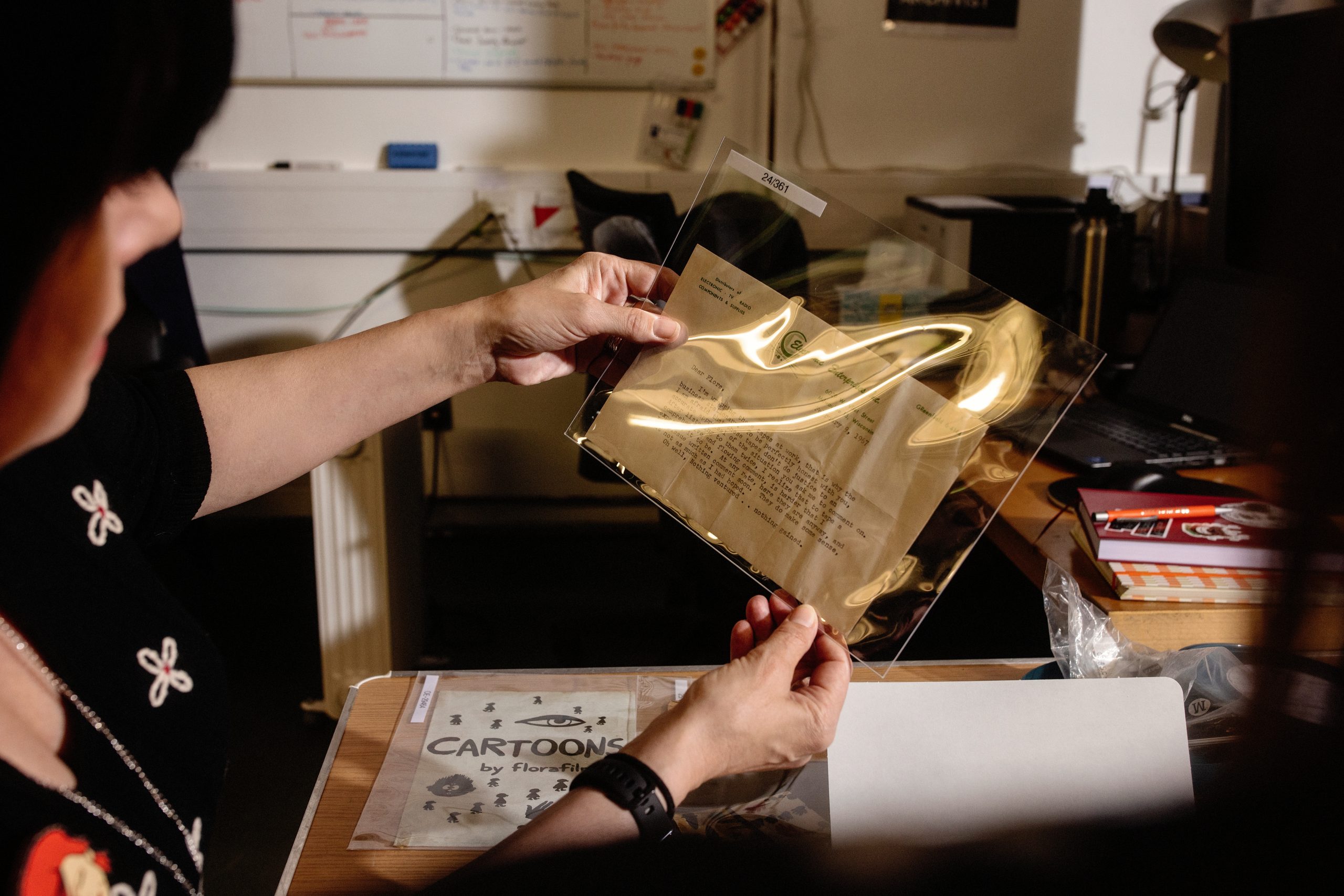
Decades later, her work resurfaced when Kasandra O’Connell and Dr Sarah Arnold came across surviving reels during their research on women’s amateur filmmaking, kept safe by Kerrigan’s family. Kasandra has led the Irish Film Archive (IFA) at the Irish Film Institute (IFI) for more than 20 years and is now completing a PhD at University College Cork with the support of Research Ireland. This funding allows her the time and space to examine the history and politics of film preservation, and how institutional decisions and cultural attitudes have historically shaped what media was saved, and what was neglected. The case of Flora Kerrigan highlighted how easily women’s creative work can disappear from the historical record, and how preservation policies and practice shape cultural memory.
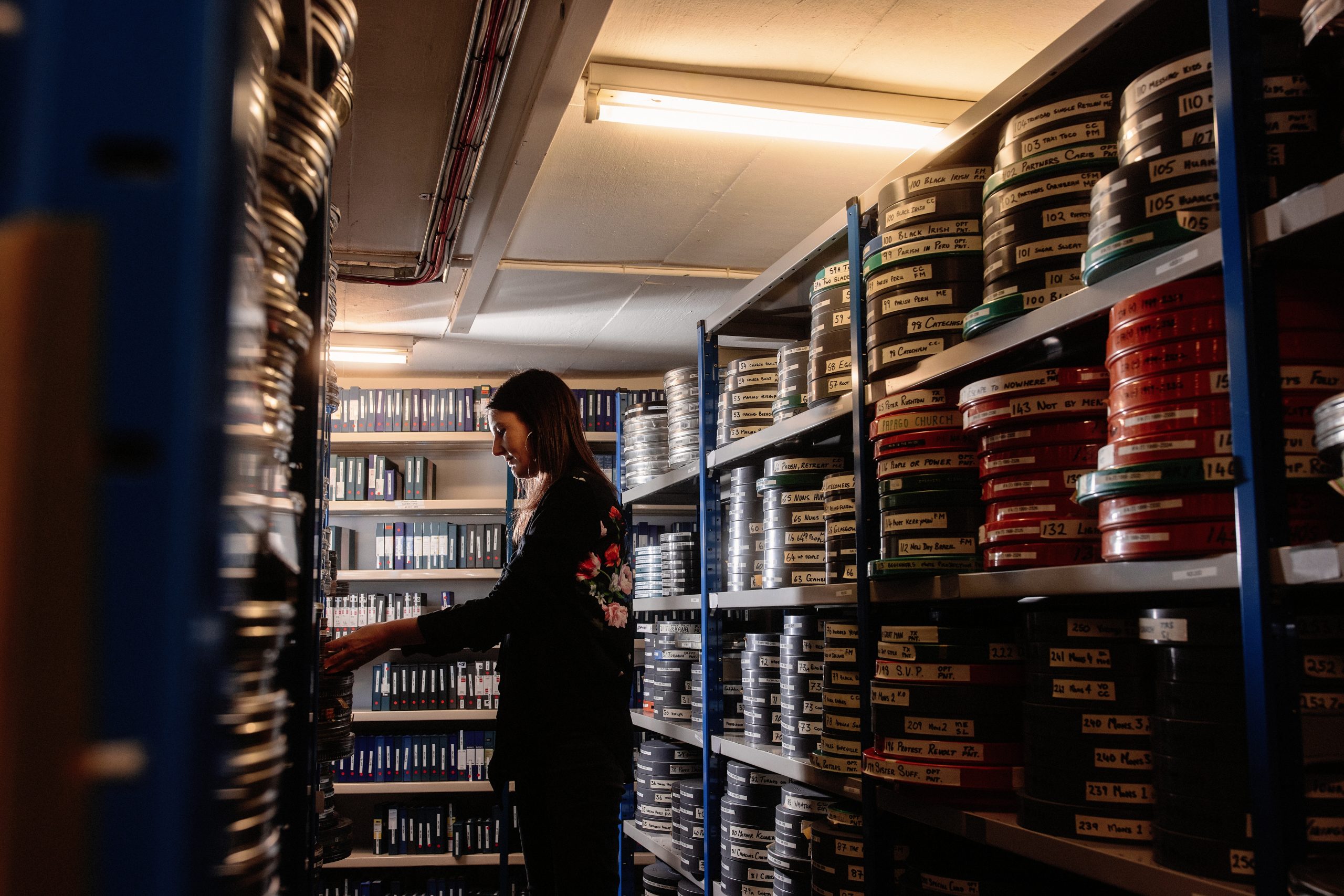
At the same time, Dr. Arnold, Associate Professor of Media Studies at Maynooth University, is helping build a deeper academic understanding of what made Kerrigan’s films unusual. Her research shows that, despite her youth, Kerrigan was an artist ahead of her time, exploring themes such as death, destruction and desire. These themes placed her at the forefront of creative shifts in mid twentieth century Ireland, even if the historical record no longer reflected it.
Together, they have been working to catalogue, contextualise, and make accessible Kerrigan’s films. Through their collaboration, and with the help of her family, they were able to restore much of Kerrigan’s work, helping to bring her films to new audiences through the IFI Archive Player.
Their collaboration shows the value of supporting research talent at all career stages. By bringing together Dr Arnold’s academic research expertise, and O’Connell’s preservation and public engagement experience through the IFI, the project demonstrates how researchers can uncover overlooked stories and ensure that creative legacies such as Kerrigan’s are preserved for future generations. In doing so, it provides Ireland with a richer and more accurate understanding of its creative past.
Research Ireland’s support has been crucial to the recovery of one of Irish film history’s most interesting and versatile amateur filmmakers, Flora Kerrigan. Kerrigan’s work is now available to the public and to researchers, guaranteeing her place in Irish media history.
– Dr Sarah Arnold, Maynooth University
Find out more:
Read about their work in History Ireland and RTÉ Brainstorm:
History IrelandHistory Ireland RTÉ BrainstormRTÉ Brainstorm