Marie Skłodowska-Curie Actions (MSCA) Presidency Conference Programme
Day 1 - Wednesday, 4th November
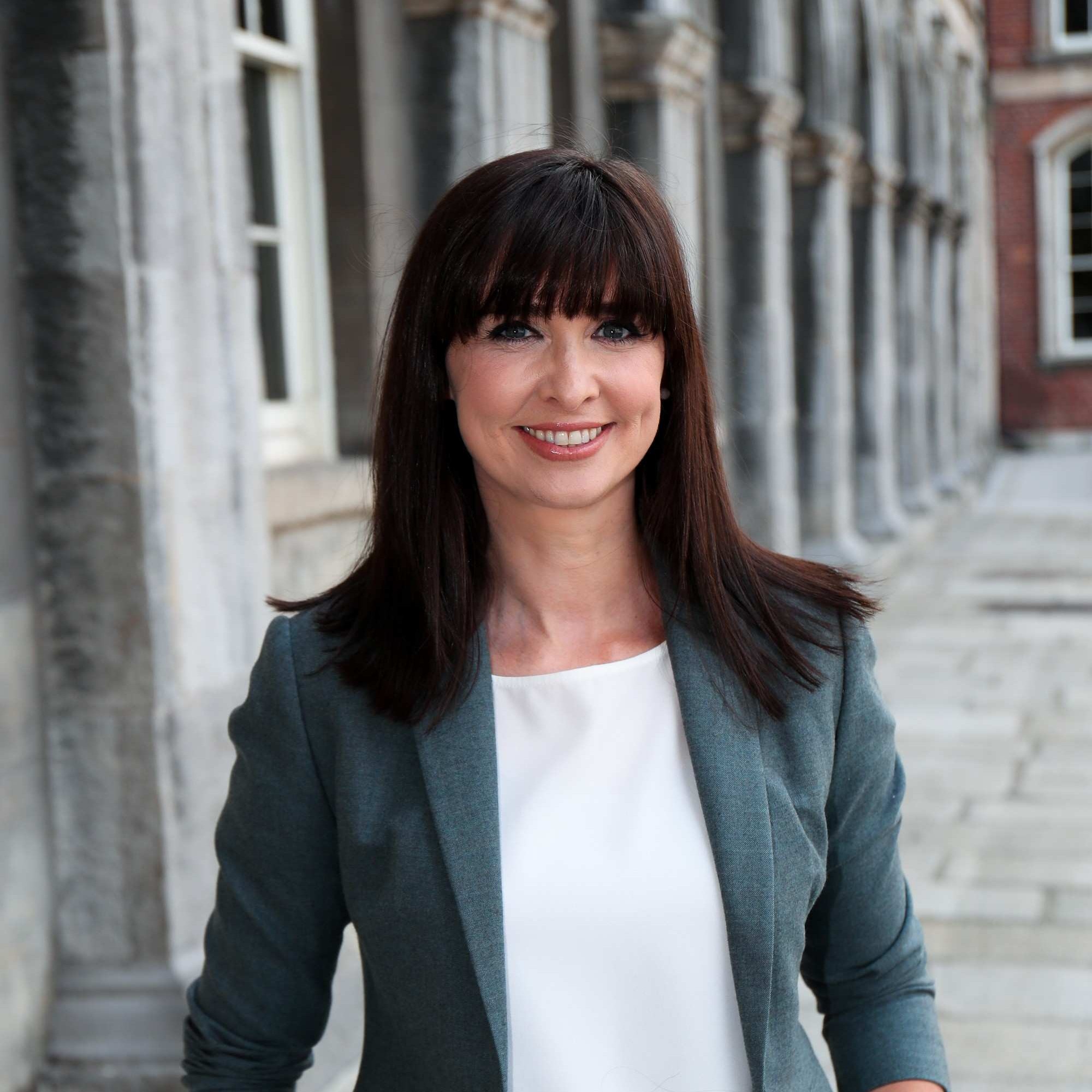
Aoibhinn Ní Shúilleabháin
Aoibhinn Ní Shúilleabháin is an Associate Professor in Mathematics Education, and her work focuses on supporting and developing high-quality teaching and learning in Mathematics. As a physics graduate and former teacher in a socioeconomically underprivileged school (designated as DEIS), she brings a strong perspective on education equality and access. An award-winning science communicator, she was nominated by An Taoiseach to Chair the National Citizens’ Assembly on Biodiversity Loss and most recently chaired the Independent Advisory Committee on Nature Restoration, whose recommendations inform Ireland’s first national Nature Restoration Plan. She is a member of CASTeL, Ireland’s largest Research Centre in Science, Technology, Engineering and Mathematics (STEM) Education, DCU’s Institute of Climate & Society, and the School of STEM Education, Innovation & Global Studies at Dublin City University.
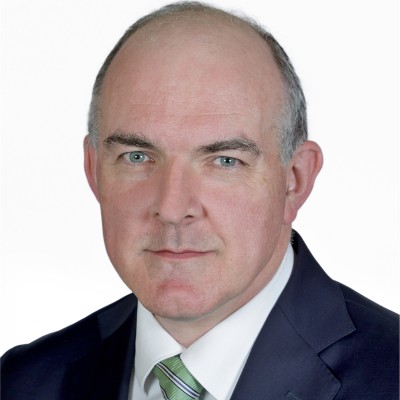
Colm O’Reardon
Colm O’Reardon was appointed Secretary General of the Department of Further and Higher Education, Research, Innovation and Science in September 2023. Before coming to the department, he was Head of the Strategic Economic Development Division in the Department of Finance. In previous roles, he was Secretary to the Commission on Taxation and Welfare, and Head of Strategy and Policy at the Department of Health. He is a graduate of Trinity College Dublin, Churchill College Cambridge and Wolfson College Oxford. He holds a D.Phil. in Economics from the University of Oxford, where he was also a Rhodes Scholar.
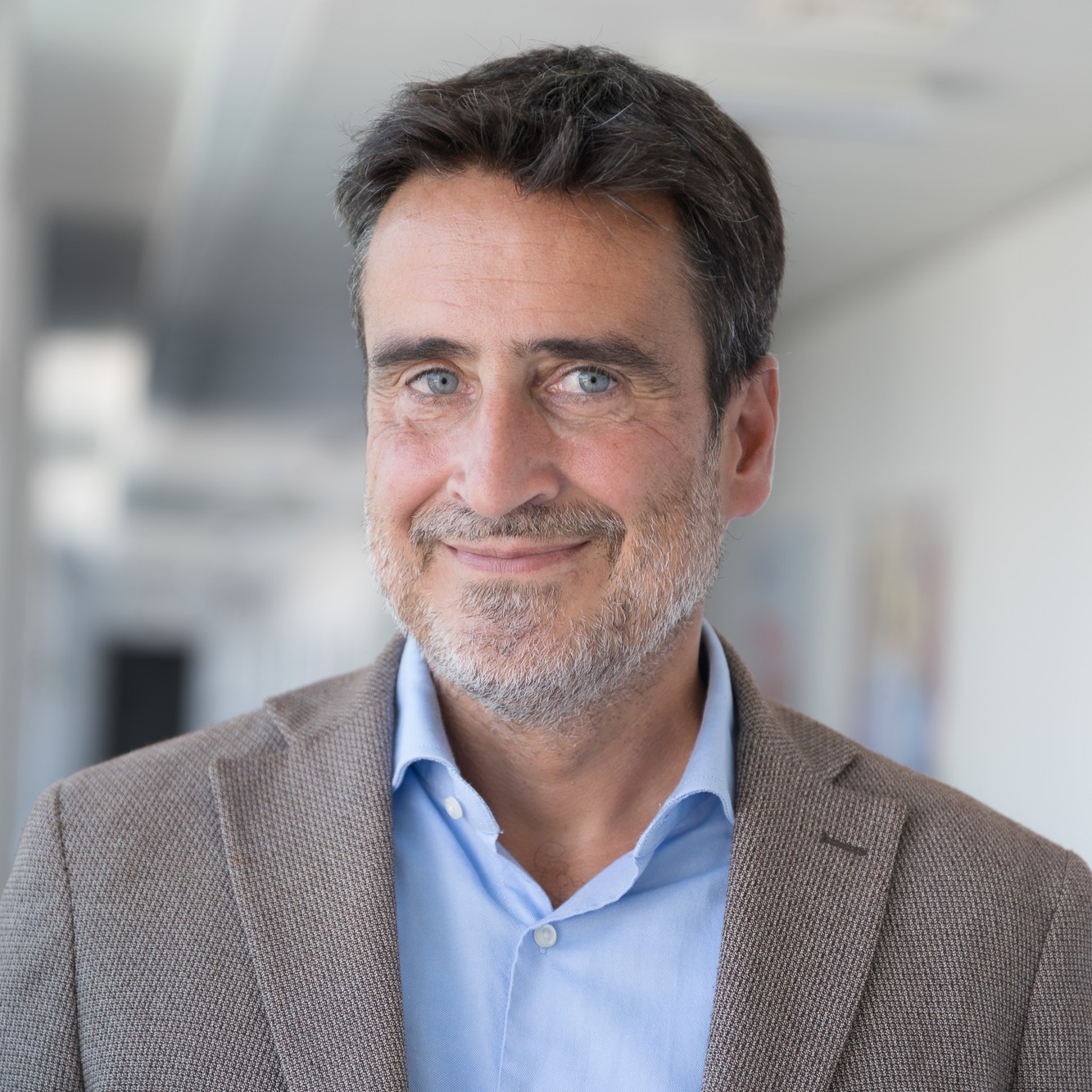
Luca Perego
Luca Perego is the Head of Unit “Choose Europe and MSCA” in the Directorate General for Education, Youth, Sport and Culture of the European Commission. The unit develops policies and actions aimed at attracting and retaining research talent in Europe, contributing to the Choose Europe initiative. The unit defines the policies underpinning the Marie Skłodowska-Curie Actions (MSCA), the EU flagship programme for doctoral education and postdoctoral training of researchers. He is an electronic engineer with 33 years’ experience in private and public sector management. He joined the European Commission in 2010 after having held the Information Technology Department of an Italian insurance group. He set up and launched the new Eur-Lex at the Publications Office of the European Union and then worked for 10 years in DG EAC as Assistant to the Director General for Education, Youth, Sport and Culture, Head of Unit “Stakeholders Engagement and Programmes Impact” and Head of Unit “Innovation and EIT”. Born in Verona, Italy, he is trilingual in Italian, French and English.
Resilience of research careers in a changing global environment
Orla Feely, President, University College Dublin (Ireland) and President, CESAER
The opening keynote will frame the conference discussion by considering the resilience of research careers in a changing global environment and the conditions needed in Europe to support researchers through evolving career pathways and external pressures.
The address will draw on President Feely’s own experience of building a career through international mobility and will lay the foundation for the plenary panel discussions which follow.
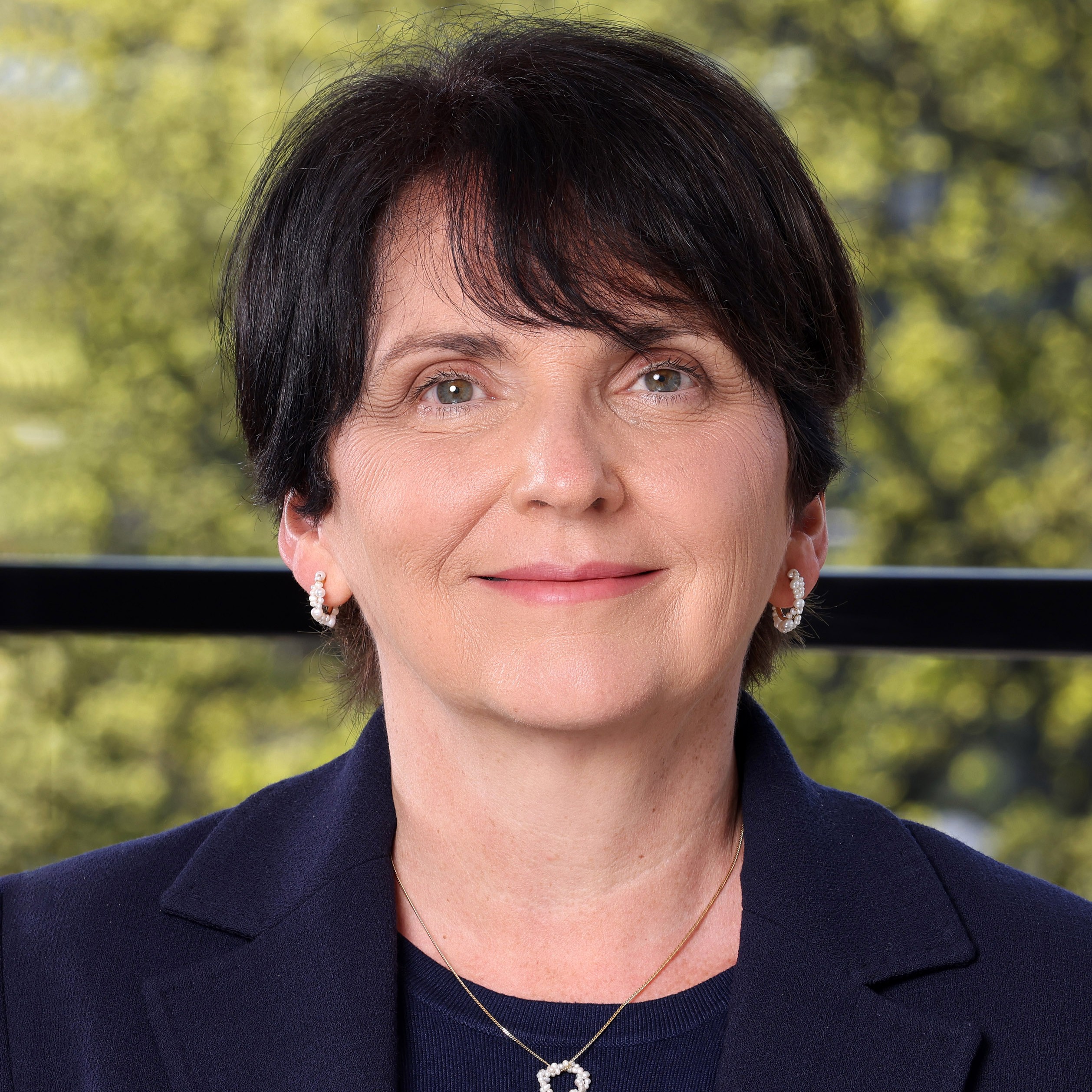
Orla Feely
Orla Feely is President of University College Dublin. She holds a BE degree from University College Dublin and MS and PhD degrees from the University of California, Berkeley. She is a Member of the Royal Irish Academy and a Fellow of the IEEE (Institute of Electrical and Electronics Engineers), Engineers Ireland and the Irish Academy of Engineering. Professor Feely is President of CESAER (the Conference of European Schools of Advanced Engineering Education and Research), and has previously served as President of Engineers Ireland, as Chair of the Irish Research Council, the EU Advisory Group on Marie Skłodowska-Curie Actions and the IEEE Technical Committee on Nonlinear Circuits and Systems, and as Board Member and Deputy Chair of the Higher Education Authority. She is a member of the Board of Ibec and a member of the judging panels for the BT Young Scientist and Technology Exhibition and the Queen Elizabeth Prize for Engineering.
Enabling resilient and future-proofed research careers
The panel will explore how institutions, funding instruments, and support structures can better equip researchers to build sustainable, diverse careers spanning academia, industry, policy and beyond.
Moderator:
Vanessa Debiais-Sainton, European Research Executive Agency, European Commission (Belgium)
Panellists:
- Debashish Roy, University of Bucharest (Romania)
- Liz Elvidge, Imperial College London (United Kingdom)
- Gonzalo Arevalo, Agencia Estatal de Investigacion (Spain)
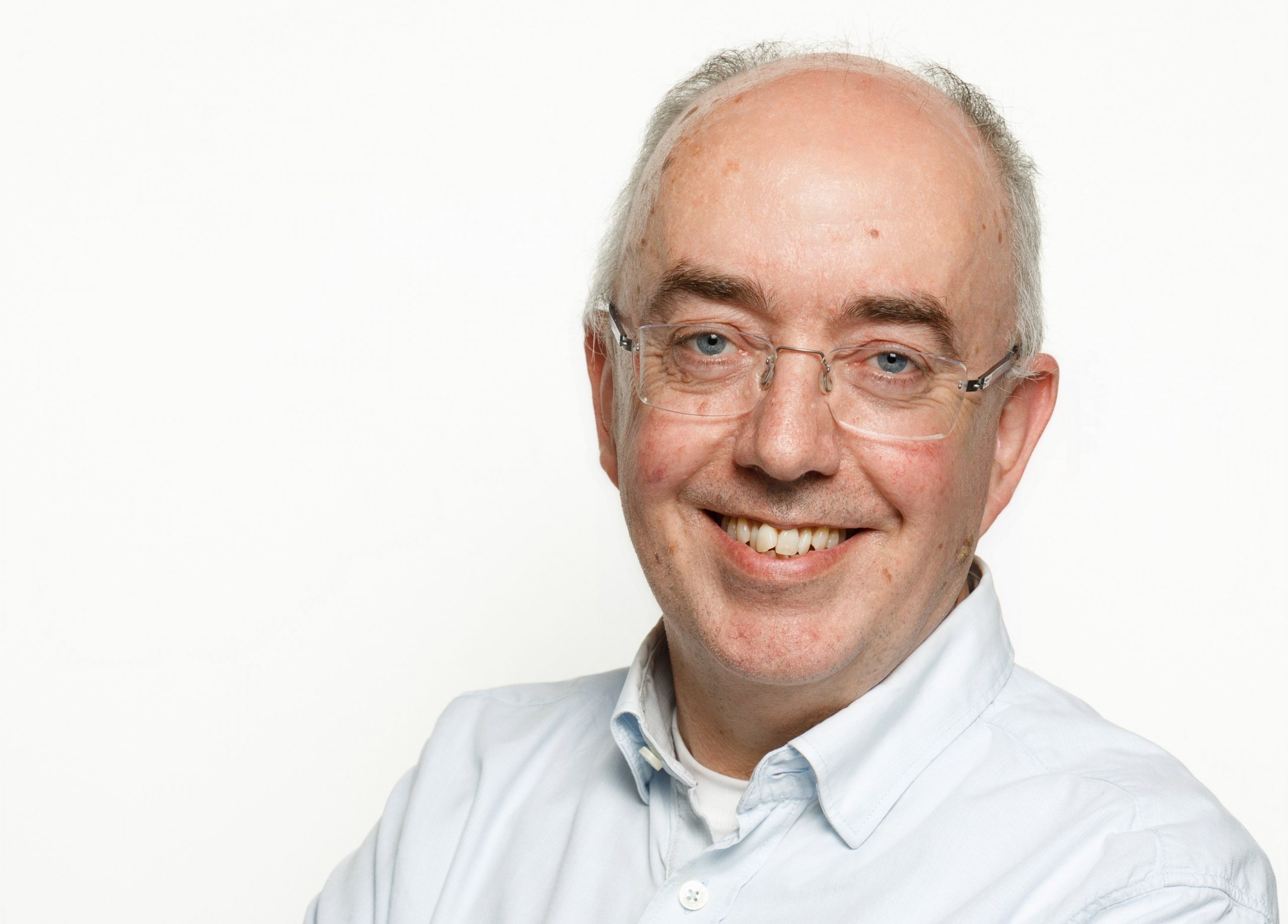
- Brian Glennon, Applied Process Company (Ireland)
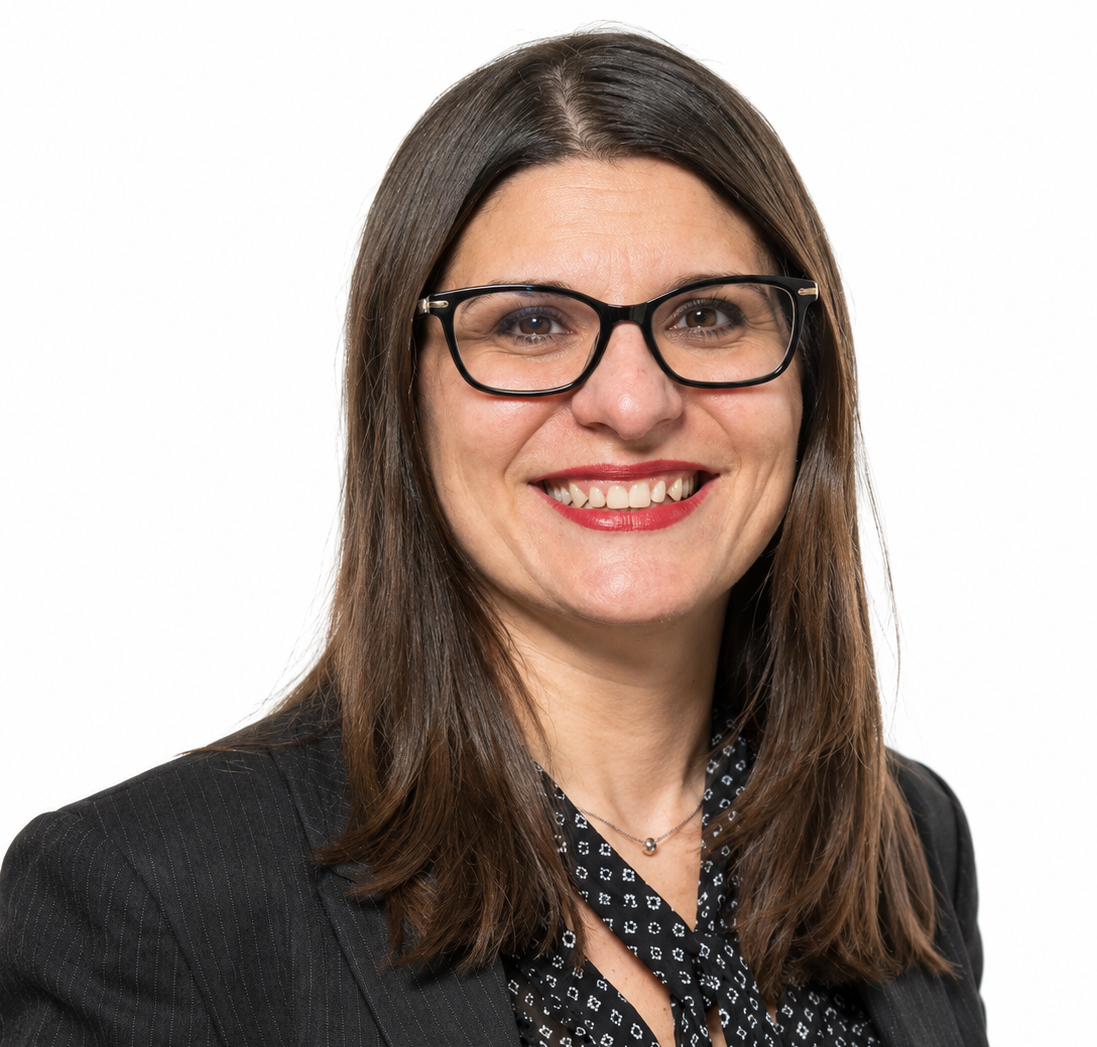
Carola Cotronei
Carola Cotronei is a Marie Skłodowska-Curie Actions Communications Advisor.
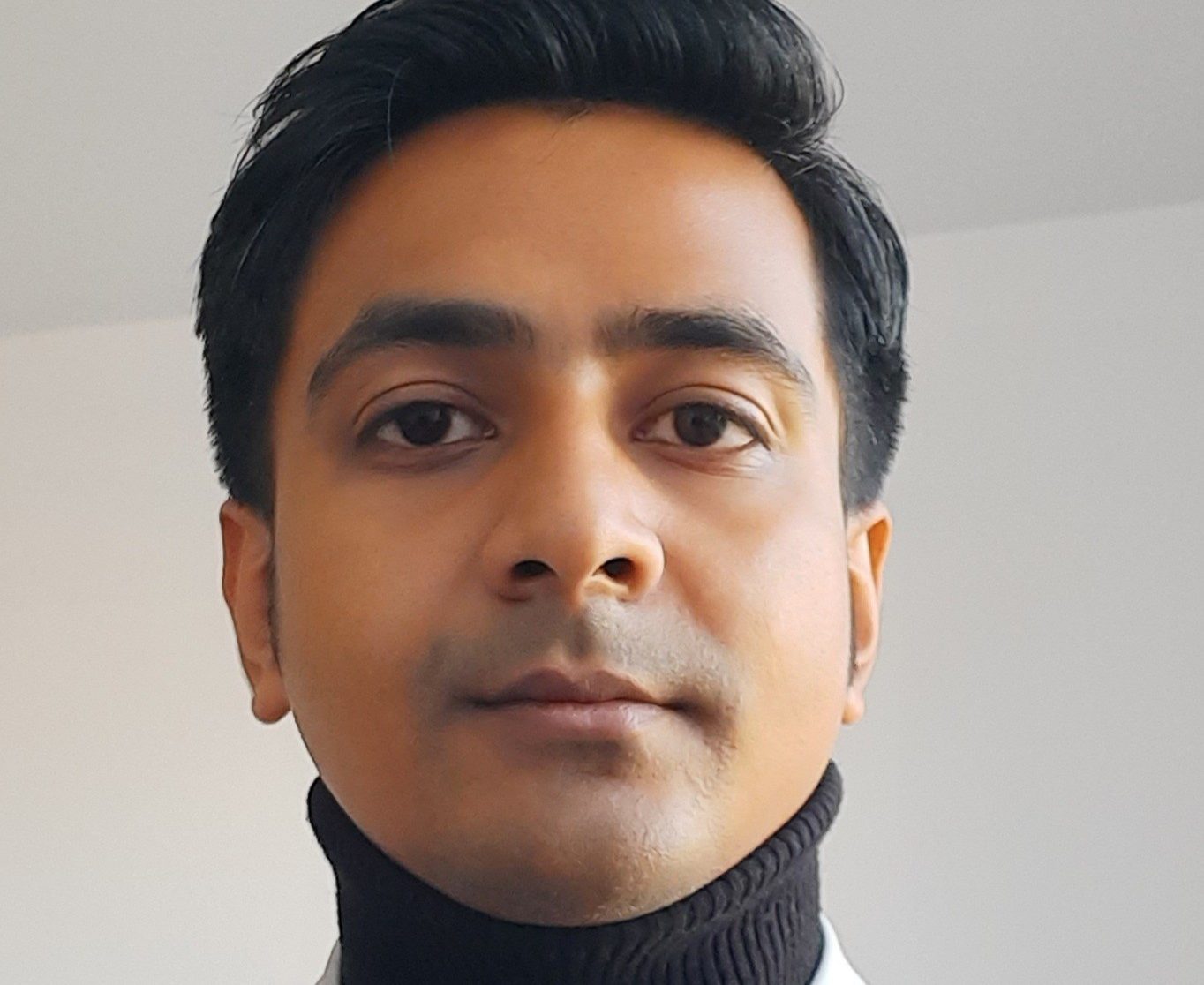
Debashish Roy
Debashish Roy is a researcher specializing in PhD employability, transversal skills development, and technology management. A former MSCA COFUND doctoral fellow at URV, Spain, he was selected as Fellow of the Month (January 2026). As a part of this fellowship, he, along with his supervisory team, published the “HIRES-PhD: A Transversal Skills Framework for Diversifying PhD Employability” in the Nature portfolio. His current research focuses on industrial PhDs, their societal impact, and stakeholder expectations.
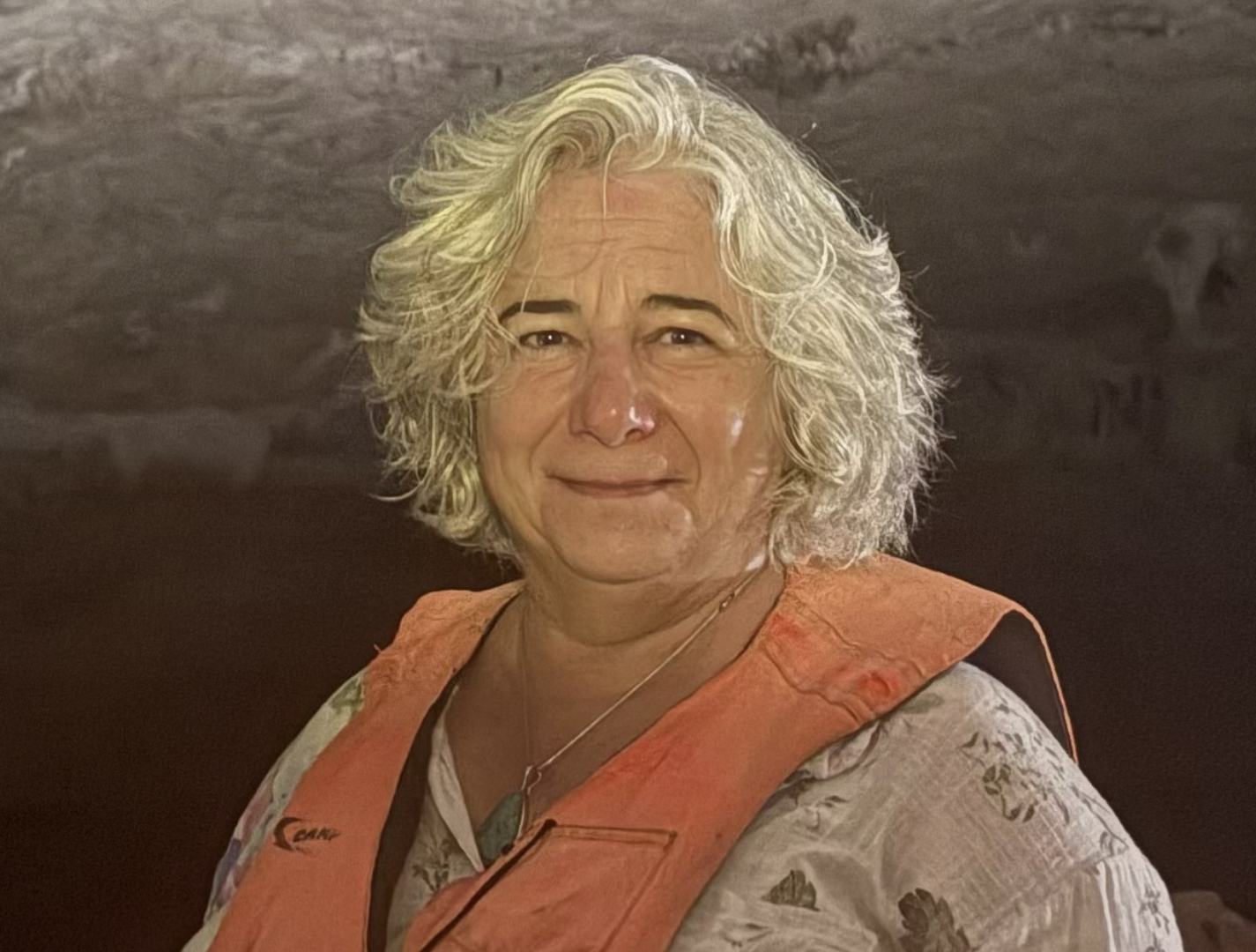
Liz Elvidge
Gonzalo Arevalo
Gonzalo Arevalo holds a PhD in Decision Engineering, a degree in Economics and Business Administration, and a Master’s degree in Management and Administration of R&D applied to Health Sciences. He is currently Senior Advisor to the Director General of the State Research Agency, having held several senior positions formerly, including: Director General for Research Planning (2021–2023), Director of International Relations of the PERTE for Cutting-Edge Health, Deputy Director for International and Institutional Programmes at ISCIII (2018–2021), Director of the European Projects Office at ISCIII (2013–2018), and National Contact Point for Legal and Financial Affairs for Horizon 2020 (2009–2018).
Brian Glennon
Global challenges to researcher mobility: Scientific freedom, research security and barriers to mobility
This panel will examine how Europe can sustain the openness and international mobility on which the MSCA and the European Research Area depend, while responding responsibly to legitimate security concerns.It will discuss the challenges to researcher careers emerging from geopolitical instability, research security concerns, and pressures on academic freedom and institutional autonomy.
Panellists will explore the institutional responsibilities that sit alongside these challenges including the duty of care to researchers navigating these pressures, the challenge of maintaining international openness while managing security obligations, and the role of institutions in sustaining the conditions in which researchers can build resilient careers in an increasingly complex world.
Moderator:
Ornela Bardhi, Marie Curie Alumni Association (Finland)
Panellists:
- Marijk van der Wende, Utrecht University (Netherlands)
- Maryna Shevtsova, KU Leuven (Belgium)
- Tommy Shih, KTH Royal Institute of Technology and Lund University (Sweden)
- Iakovos Yakoumis, Monolithos Catalysts (Greece)
Ornela Bardhi
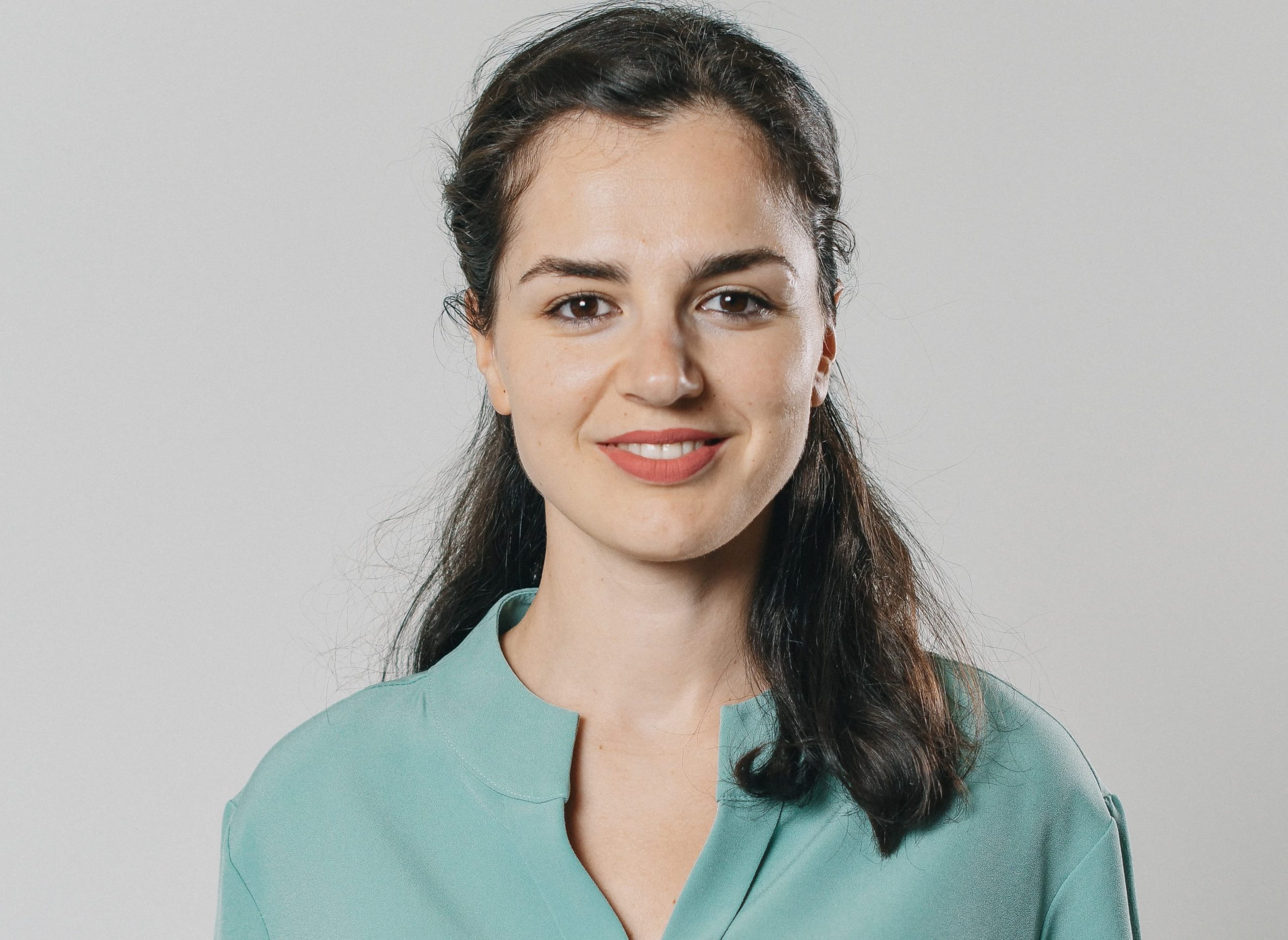
Ornela Bardhi is a senior leader in AI, digital health, and data governance, with executive and board-level experience across European healthcare, research, and innovation. She is Chair of the Board of the Marie Curie Alumni Association (MCAA), having previously served a term as an Ordinary Board Member overseeing data governance, digital infrastructure, GDPR compliance, and AI policy. As Head of Research & Data Science at Success Clinic, she leads AI strategy, governance, EU-funded research programmes, and cross-sector partnerships. Formerly Scientific Advisor to Albania’s Minister of Health, she contributed to national health strategy, digital transformation, and AI-enabled healthcare. Before pursuing her PhD, she founded and co-founded two startups.
Marijk van der Wende
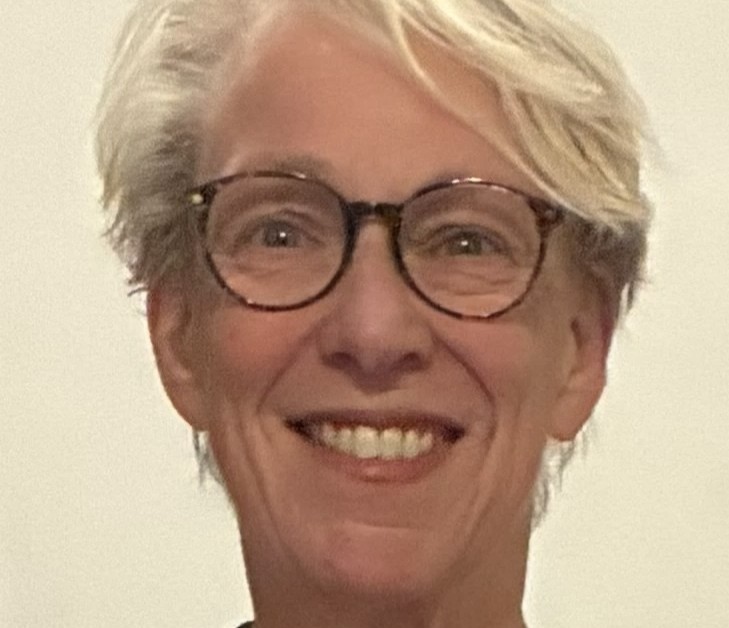
Marijk van der Wende is Distinguished Faculty Professor Emerita of Higher Education at Utrecht University. Her research focused on the impact of global trends and international developments on higher education and research systems. She is a member of the Academy of Europe and held professorial positions at Utrecht University, VU University Amsterdam, and the University of Twente. She was a visiting scholar at Berkeley and Harvard, and a guest professor at Shanghai Jiao Tong University. She also served as Dean, President of the Supervisory Board of the Open University of the Netherlands, and President of the European Higher Education Society.
Maryna Shevtsova
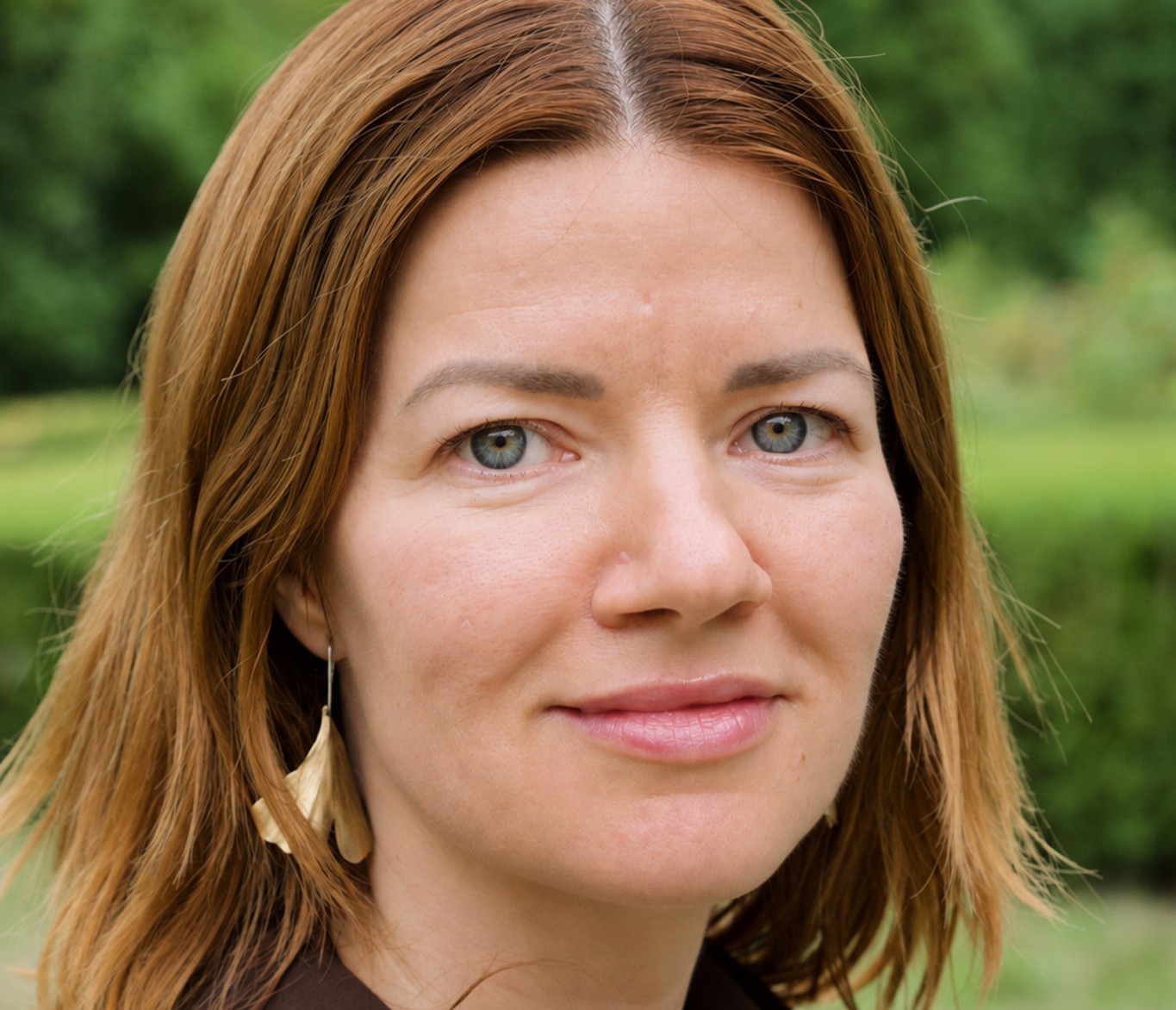
Maryna Shevtsova is a political scientist and policy advisor specializing in gender, sexuality, and civilian vulnerability in conflict-affected and post-Soviet contexts. She is currently a URIS Fellow at the University of Basel and an Adjunct Lecturer at KU Leuven. She holds a PhD in Political Science from Humboldt University of Berlin and has held Fulbright, Swedish Institute, and MSCA EUTOPIA Co-fund fellowships. She is a co-founder of Equal Opportunities Platform, a Ukrainian NGO promoting gender equality and minority inclusion, and a recipient of the Emma Goldman Award (2022) for feminist scholarship and human rights advocacy.
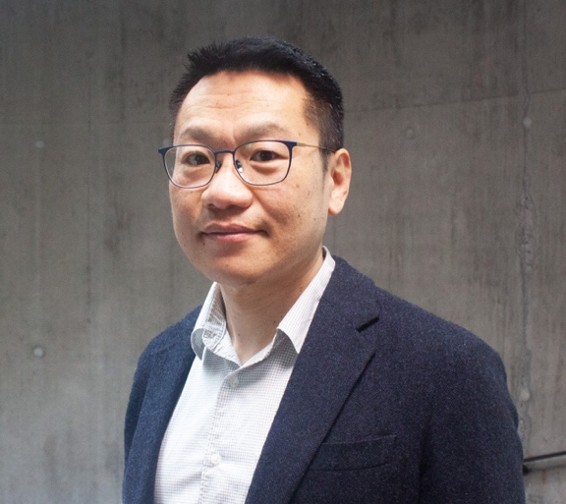
Tommy Shih
Tommy Shih is the director of the Forum for Responsible Internationalization and Research Security and a professor in geopolitics and technology at KTH Royal Institute of Technology in Sweden. His research focuses on the intersection of global research, business, geopolitics, and technology management. In addition to his academic work, he provides expert advice to universities, government agencies, and research funding organizations on science, technology, and business policy.
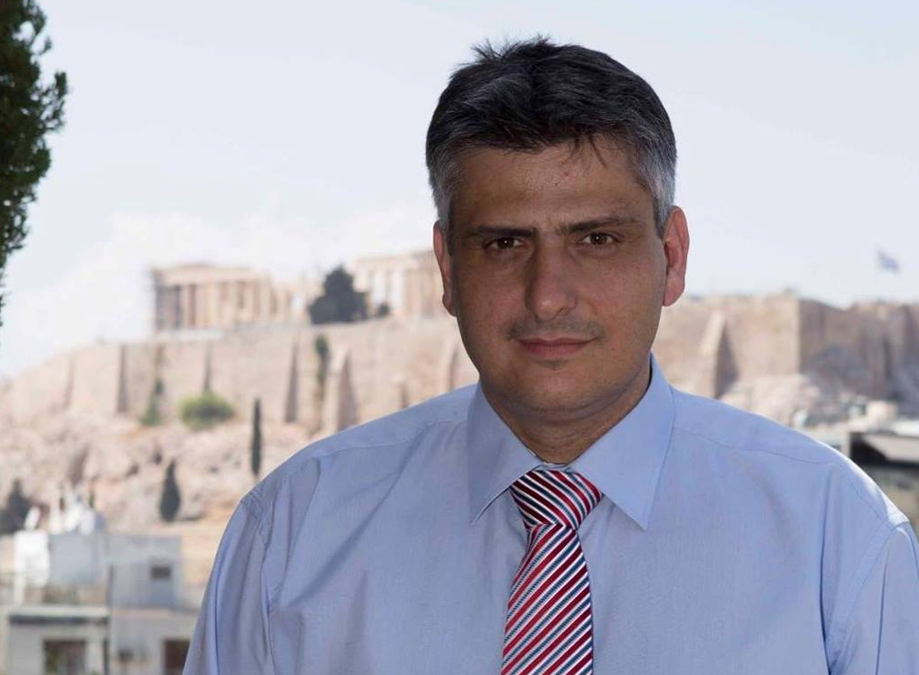
Iakovos Yakoumis
Iakovos Yakoumis, MEng, PhD, Chemical Engineer, National Technical University of Athens (NTUA). Iakovos holds a PhD in Metallurgy and Platinum Group Metals Recycling and an MEng in Chemical Engineering from the National Technical University of Athens. He is the Founder and CEO of MONOLITHOS Catalysts & Recycling Ltd, with expertise in catalysis, critical raw materials recycling and circular economy. He has authored 47 scientific publications (h-index: 20, over 3,350 citations), holds 6 European patents and has coordinated over 12 European R&I projects and led more than 30 others. ResearchGate ranks him among the top 7% of researchers worldwide. At the age of 26, he received the “Young Entrepreneur of the Year” award.
From Discussions to Recommendations
Following the plenary sessions, delegates will participate in facilitated breakout discussions designed to generate practical recommendations for strengthening research career resilience.
Session 1:How can we better support career transitions for researchers?Mary Kate O’ReganThis session will examine the barriers researchers face when navigating career transitions, exploring topics such as awareness of career pathways, career planning, transferable skills and the role of networks and mentoring in helping researchers navigate career transitions both within and beyond academia. It will also examine what systemic changes are needed to ensure that a non-linear career is not experienced as a failure but as a genuine and valued choice.
|
Session 2:How can we strengthen intersectoral and interdisciplinary mobility?Alexander HasgallAs well as international mobility, the movement of researchers between sectors and disciplines is a core policy objective of the MSCA. This session will examine why barriers to movement between sectors and disciplines still exist and what steps are needed to overcome those barriers.It will explore the role of secondments and collaborative projects, how research assessment and funding mechanisms can better recognise mobility and diverse career experiences, and the role and responsibilities of both academic and non-academic employers in enabling mobility across sectors and disciplines.
|
Session 3:How can Europe become a more attractive destination for research talent?Nicola DengoThis session will examine Europe’s competitive position in the global market for research talent. It will explore what researchers need to choose Europe as the place to build their careers.Participants will consider the roles of research freedom, research security, predictable funding supporting different career pathways, and broader measures that contribute to attracting and retaining talented researchers in Europe.
|
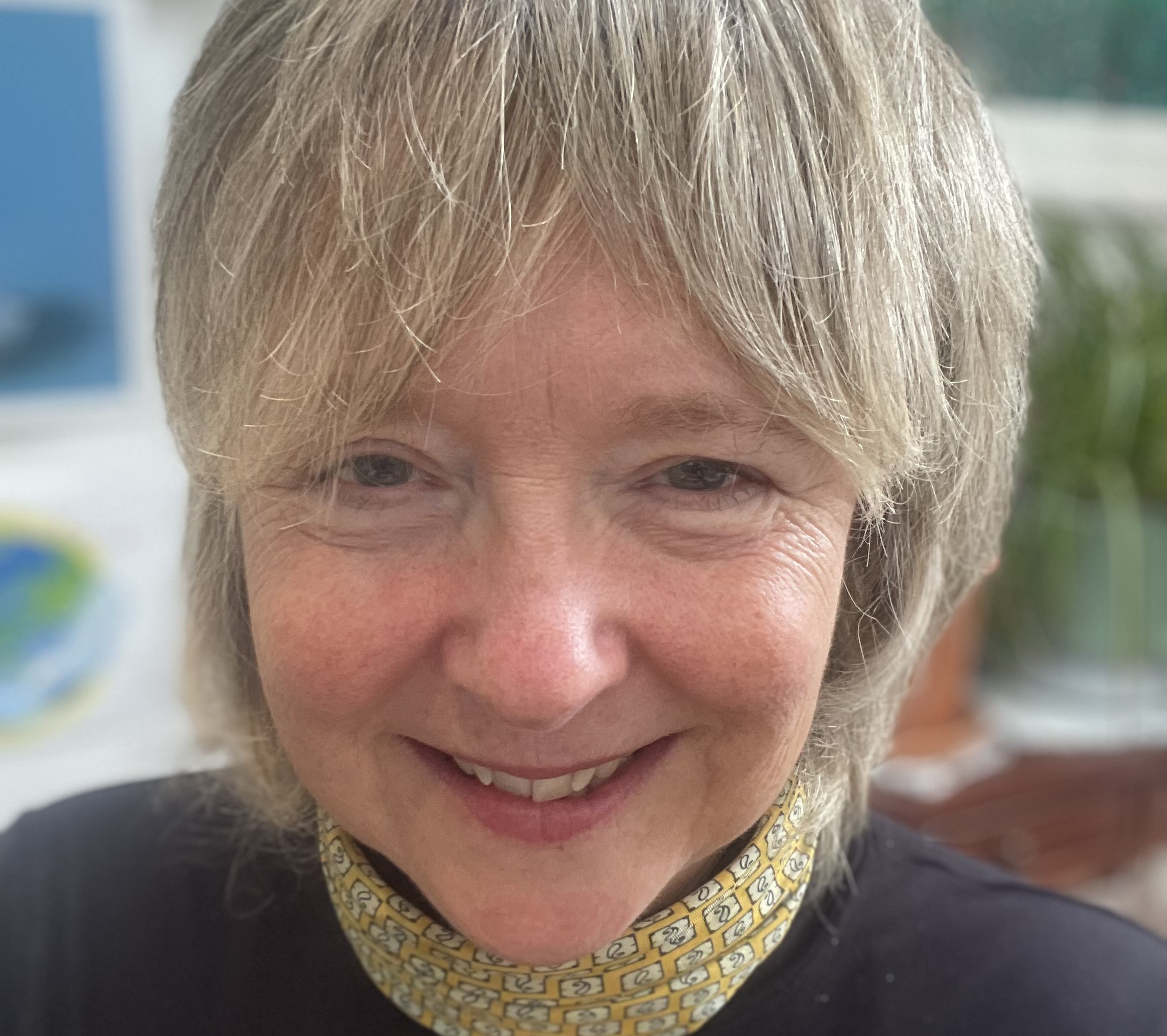
Mary Kate O’Regan
Mary Kate O’Regan is Coordinator of the Horizon Europe project CARDEA. She leads UCC’s HR Excellence in Research programme and is a Lead Assessor for the European Commission’s HR Excellence in Research. She is the Higher Education Authority (HEA) National Coordinator of the Odyssey Programme, which she developed and led from its inception, and which is now a national initiative for PhD students across Irish universities. As HR Research Manager in People and Culture at UCC, Mary Kate works at the intersection of HR and research strategy, supporting researcher careers and strengthening research management across the university.
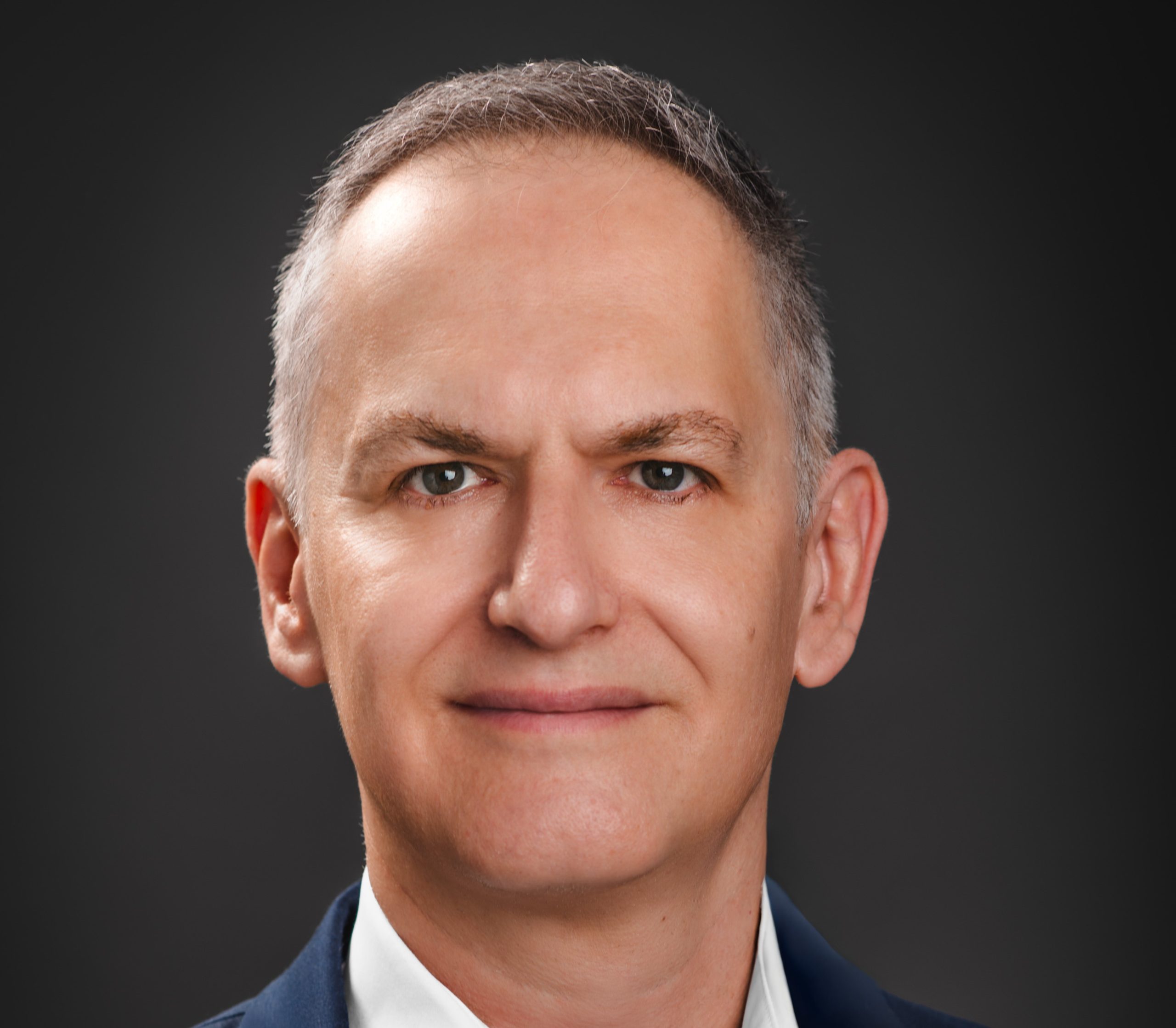
Alexander Hasgall
Alexander Hasgall is Executive Director of LIBER, the Association of European Research Libraries, representing more than 400 research libraries across Europe. Previously, he was Head of International Funding Policy at the Swiss National Science Foundation. From 2017 to 2023, he headed the Council for Doctoral Education at the European University Association (EUA) and was also responsible for EUA’s work on research ethics and integrity. He holds a doctorate in Contemporary History from the University of Zurich.
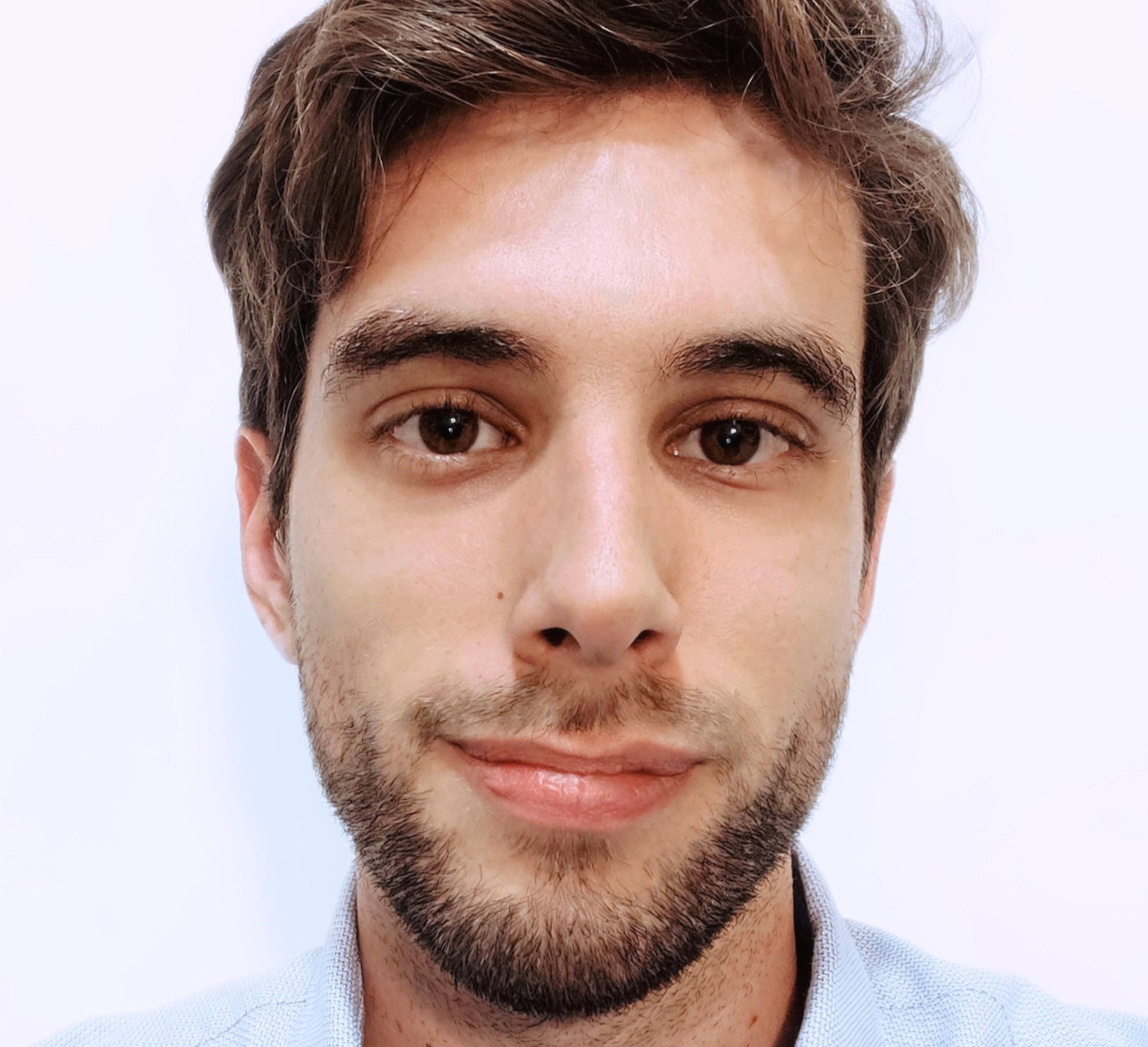
Nicola Dengo
Nicola Dengo is a Junior Assistant Professor at the University of Padova, Italy and is a materials chemist specialising in the synthesis and advanced structural characterisation of functional nanomaterials. He holds a PhD in Chemistry and has research experience across academic, large-scale facility, and industrial settings. Alongside his scientific career, he is actively engaged in European research policy, with a particular focus on sustainable careers for early-career researchers. He is a former President and current Advisory Board Member of Eurodoc, the European Council of Doctoral Candidates and Junior Researchers, and co-chairs the COST Cross-Cutting Activity on Career Development for Young Researchers. He also represents researchers in the European Research Area Forum’s work on research careers.
Day 2 - Thursday, 5th November
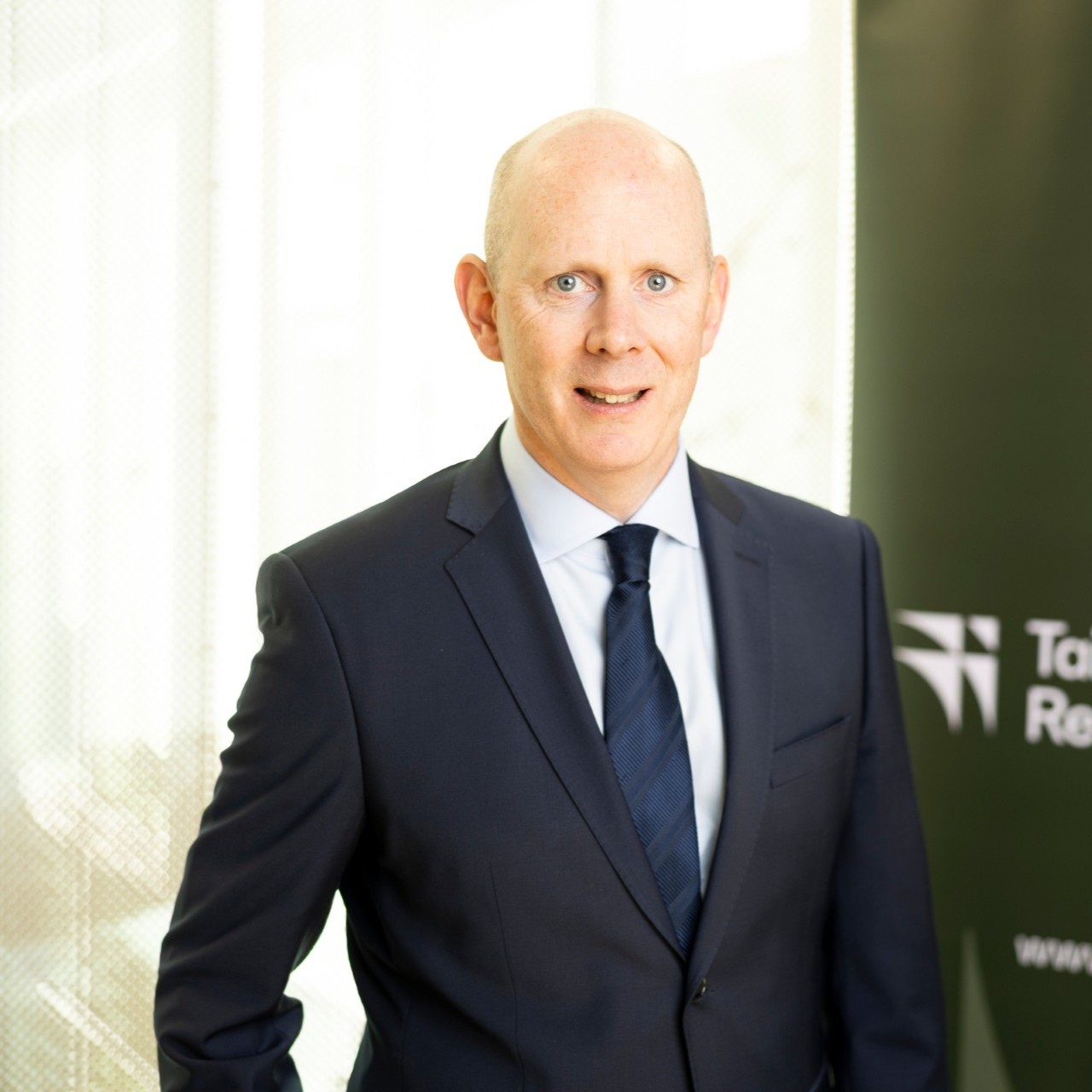
Diarmuid O’Brien
Diarmuid O’Brien is the CEO of Research Ireland, which is the primary research and innovation funding agency for Ireland, providing investment across all research disciplines. Prior to this, Diarmuid was the Pro-Vice-Chancellor for Innovation at the University of Cambridge, where he was responsible for innovation, enterprise partnership, research commercialisation, entrepreneurship, venture investment and engagement with local and national government on innovation and place. He also held the role of Chief Executive of Cambridge Enterprise, the innovation services organisation which supports the University of Cambridge. Previously, Diarmuid was Chief Innovation & Enterprise Officer of Trinity College Dublin and held other senior management roles in research centres and university-founded start-ups. Diarmuid was a Research Fellow at Princeton University. He holds a PhD in Physics from the University of Sheffield and a degree in Materials Science from Trinity College Dublin.
The MSCA’s transformative role for individuals and institutions through the lens of research career resilience
Rana Sanyal, Boğaziçi University, Co-Founder and CSO, RS Research (Turkiye)
This keynote is delivered by a distinguished MSCA alumna whose career vividly demonstrates what the programme has made possible for researchers in Europe.
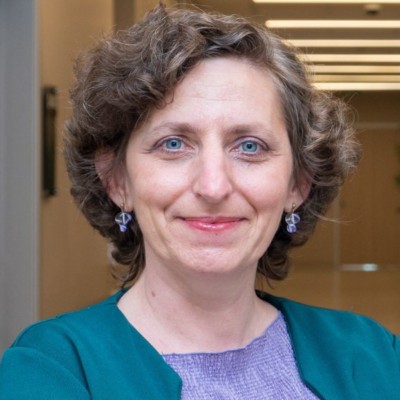
Rana Sanyal
An Exploration of Fellowship
This panel will explore the idea of ‘fellowship’ in research featuring MSCA fellows and alumni from ‘We Are Fellowship’ – a podcast marking 30 years of MSCA. Through a wide-ranging conversation on the various dimensions of academic fellowship (e.g. openness, connections, curiosity, and trust) the panel will explore what becomes possible when a community of researchers sees itself not just as a group of excellent individuals but as a collective that can help Europe meet the challenges of our time
Moderator:
Shane Bergin, University College Dublin (Ireland)
Panellists:
- Renaud Jolivet, Maastricht University (Netherlands)
- Karen de la Vega Hernández, University of Toulouse (France)
- Didem Gürdür Broo, Uppsala University (Sweden)
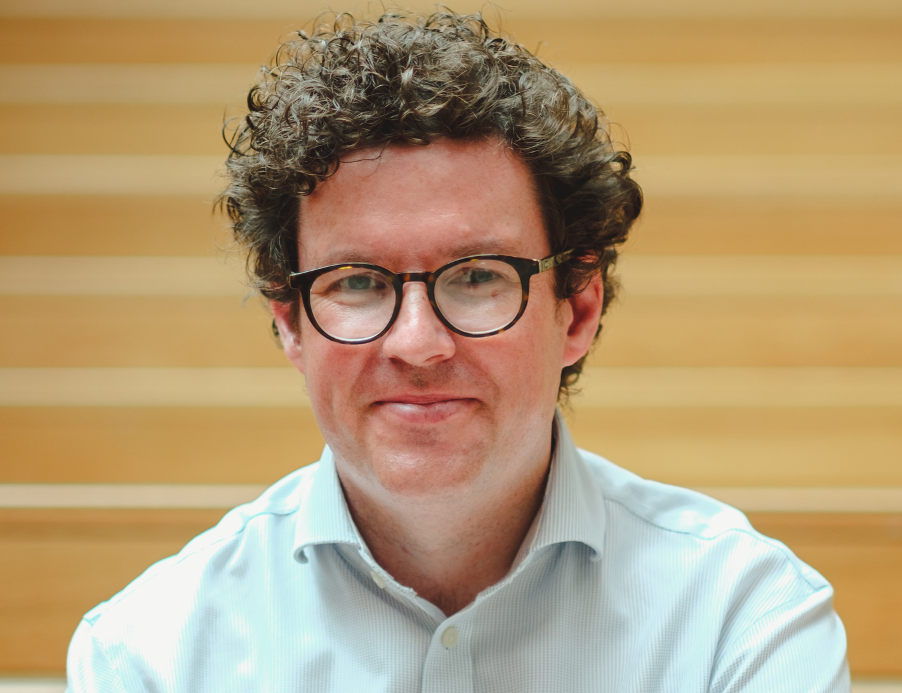
Shane Bergin
Shane Bergin is a physicist and Associate Professor in Public Engagement with Science at University College Dublin. A regular voice on Irish radio, he discusses science and questions of trust and expertise. He is host of We Are Fellowship, a podcast marking 30 years of the Marie Skłodowska-Curie Actions that explores the collective power of research communities. Shane is also a children’s author; his latest book, The Experimenters, explores science through play and adventure.
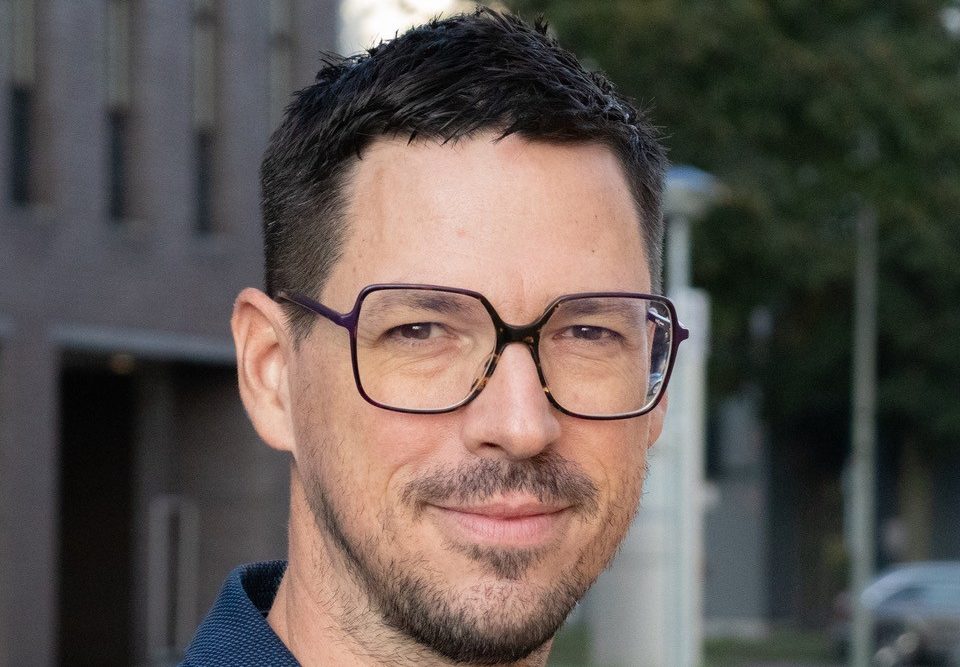
Renaud B. Jolivet
Renaud B. Jolivet is Professor of Neural Engineering & Computation at the Maastricht Centre for Systems Biology and Bioinformatics at Maastricht University. His work focusses on NeuroAI and on neurotechnologies to interface with brain tissue. He has previously served on the boards of the Initiative for Science in Europe, Marie Curie Alumni Association and Organization for Computational Neuroscience, and was a 2023 Neurotech Fellow of the Foresight Institute, the inaugural Chair of the Science & Technology Committee of EBRAINS, and a stakeholder representative for individual researchers and innovators at the European Commission’s ERA Forum. He is a recipient of the Marie Curie Alumni Association Career Award (2022), of the André Mischke Young Academy of Europe Prize for Science and Policy 2023, and a current Fellow of the International Science Council and of the Geneva Centre for Security Policy.
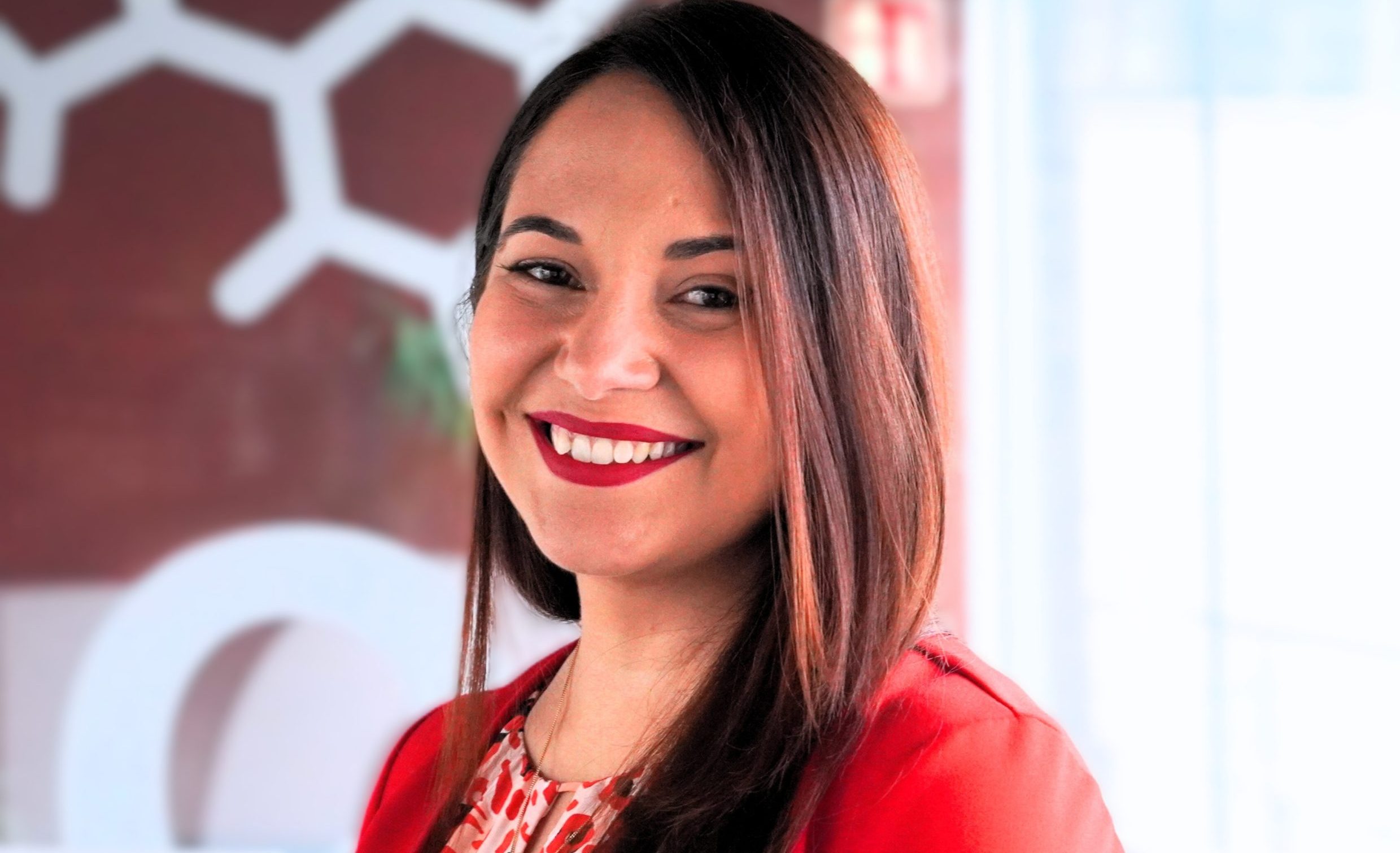
Karen de la Vega Hernández
Karen de la Vega Hernández began her independent career in 2026 as a researcher with the French National Centre for Scientific Research (CNRS) at the University of Toulouse, France. She earned her PhD at Sorbonne University and pursued her postdoctoral research at the Institute of Chemical Research of Catalonia (ICIQ, Spain) through an MSCA COFUND Impulsion Fellowship (2022–2024), followed by an MSCA Postdoctoral Fellowship (2024–2026). Her work spans radical chemistry, supramolecular catalysis, and photochemistry, with a focus on rethinking how molecules are built to advance drug design and synthesis.
Didem Gürdür Broo
I’m Not Finished Yet
Devised and performed by Honi Cooke, Morgan Cooke and Zita Monahan McGowan.
An abstract exploration of the life and work of Marie Skłodowska Curie, this performance brings together song and movement to evoke the curiosity, discovery and extraordinary imagination at the heart of her world.
An invitation to experience her work through sound, gesture and the power of scientific wonder.
Stories of Success – Alumni Voices over 30 Years
This panel will explore how the MSCA has influenced individual career journeys, the value of international and intersectoral mobility, and the ways in which the programme has helped researchers build adaptable and resilient careers.
Panellists will reflect on the opportunities created through their MSCA experience, the skills and networks gained through mobility, and the lessons they would offer to the next generation of researchers.
Moderator:
Valeria Nicolosi, Trinity College Dublin (Ireland)
Panellists:
- Joseph Mooney, Georgia Institute of Technology, WattAir (USA)
- Maria Górna, University of Warsaw (Poland)
- Tiago Brandão Rodrigues, University of Aveiro (Portugal)
- Sandra Rebok, University of California San Diego (USA) and Marie Curie Alumni Association (Spain)
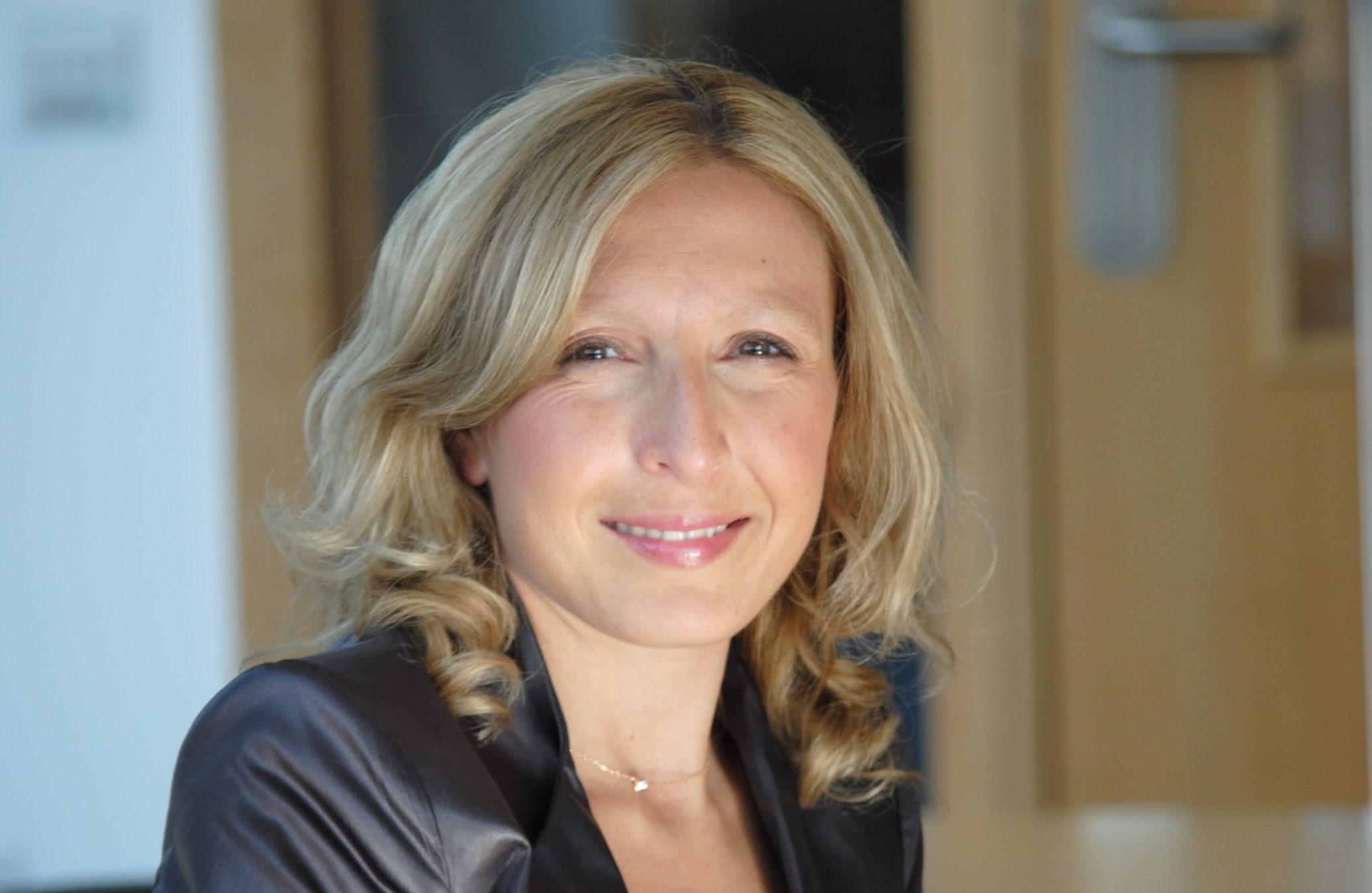
Valeria Nicolosi
Valeria Nicolosi is Chair of Nanomaterials and Advanced Microscopy at Trinity College Dublin and the first woman to hold a Chair in its School of Chemistry. A former Marie Curie Fellow at Oxford, she has received eight European Research Council grants. Her research advances two-dimensional materials for sustainable energy technologies based on 2D nanomaterials. She is a member of the Royal Irish Academy and a Board member of Research Ireland. Her career combines frontier research, innovation and mentoring, reflecting the transformative role of European funding and international mobility in developing research talent.
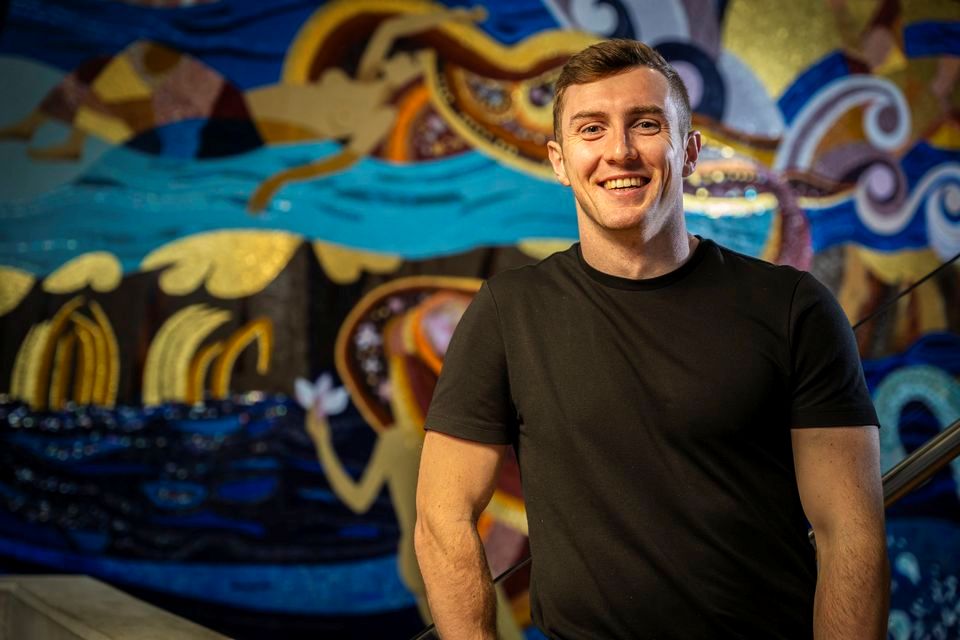
Joseph P. Mooney
Joseph P. Mooney is an Irish engineer and co-founder of WattAir, developing technologies that transform waste heat and ambient air into clean water. A graduate of the University of Limerick and Trinity College Dublin, he achieved a score of 99.2% and ranked second globally in the EU’s Marie Skłodowska-Curie Global Postdoctoral Fellowship competition. His research career spans Ireland, MIT and Georgia Tech, where he is a Research Engineer. A Forbes 30 Under 30 honoree and Breakthrough Energy-supported innovator, Joseph’s work connects European research excellence with entrepreneurship to address global water and energy challenges.
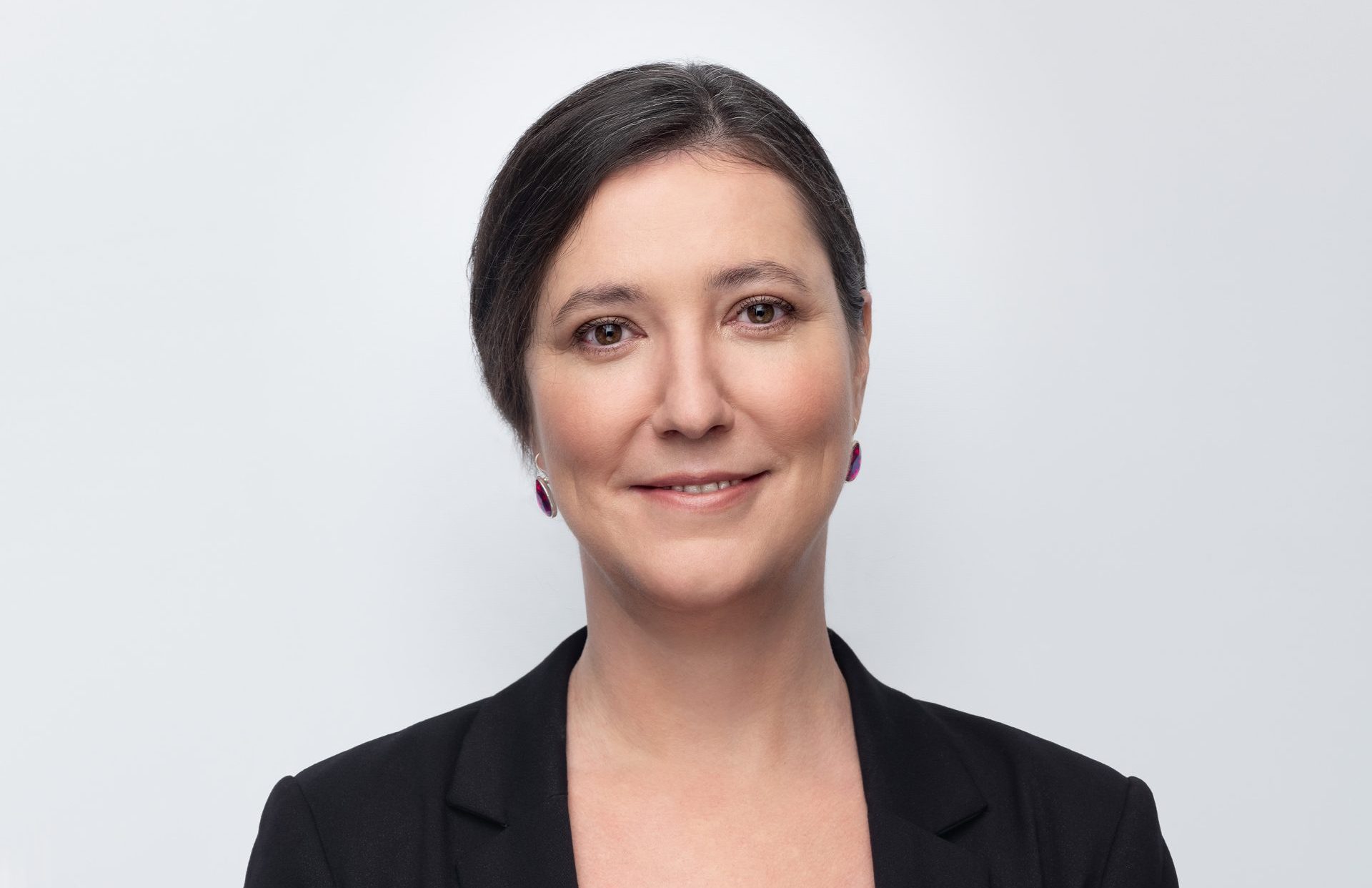
Maria Górna
Maria Gorna obtained her MSCA-funded PhD at the University of Cambridge (2010), and next trained as a postdoctoral fellow at the Centre for Molecular Medicine of the Austrian Academy of Sciences. In 2015, she returned to her home University of Warsaw with an MSCA Individual Fellowship.Since 2016, Maria leads the Structural Biology Group, working on proteins involved in RNA metabolism and on drugs against infectious diseases. Maria also worked for WPD Pharmaceuticals (2018–2021), served on the Board of Marie Curie Alumni Association (2018–2020) and is a member of the Young Academy of Europe.
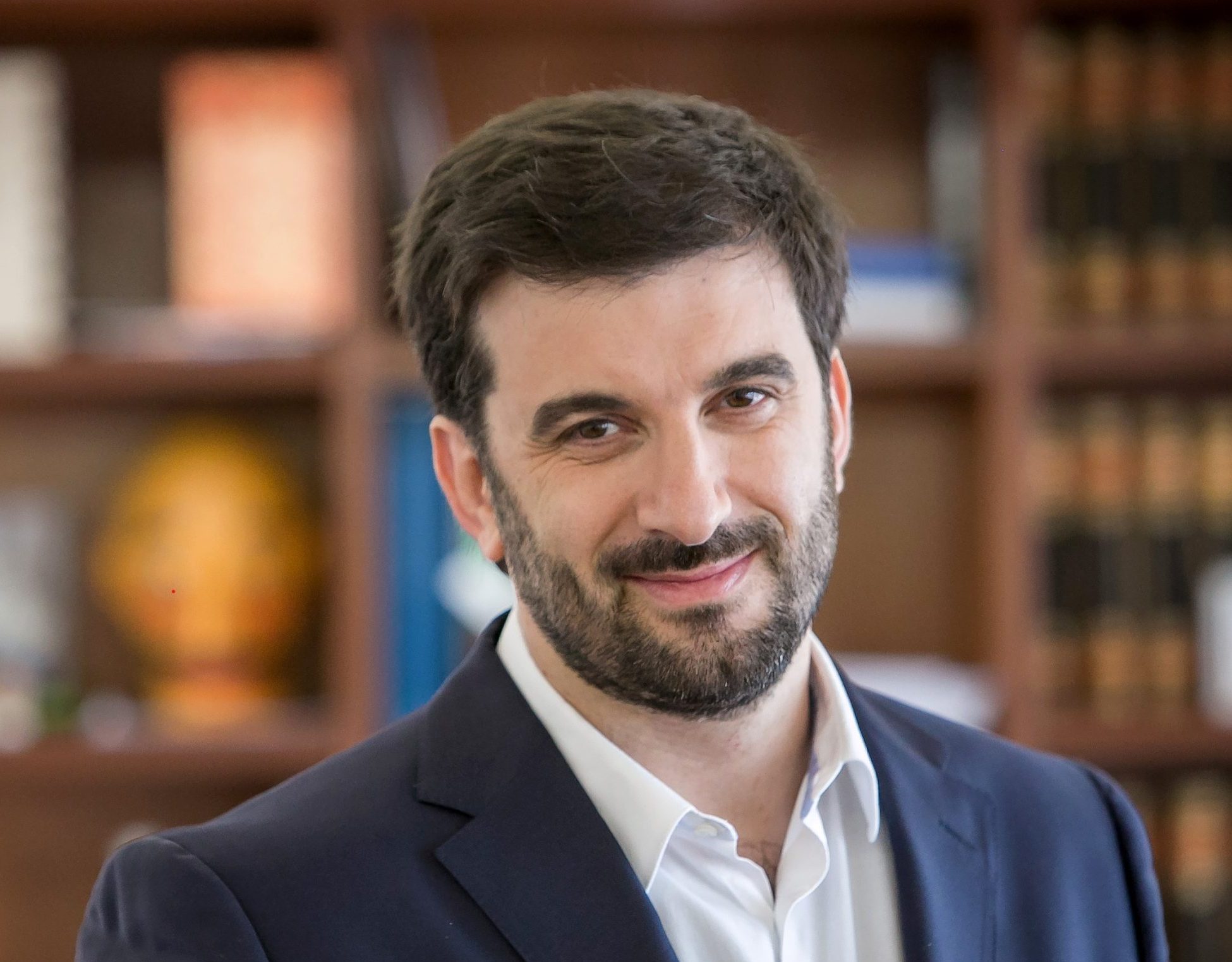
Tiago Brandão Rodrigues
Tiago Brandão Rodrigues was a Marie Skłodowska-Curie Fellow at the University of Cambridge, where he later held a tenured position as a cancer researcher. He served as Portugal’s Minister of Education, Sports and Youth from 2015 to 2022, and as a Member of Parliament, chairing the Parliamentary Committee on Environment and Energy (2022–2024). Among other roles, he chaired the Independent Panel investigating the events surrounding the 2022 UEFA Champions League Final in Paris and served on WADA’s Foundation Board. He is currently Director-General of a mid-cap holding company, Invited Professor of Political Science at the University of Aveiro, and President of the Ethics Council of the Portuguese Olympic Committee.
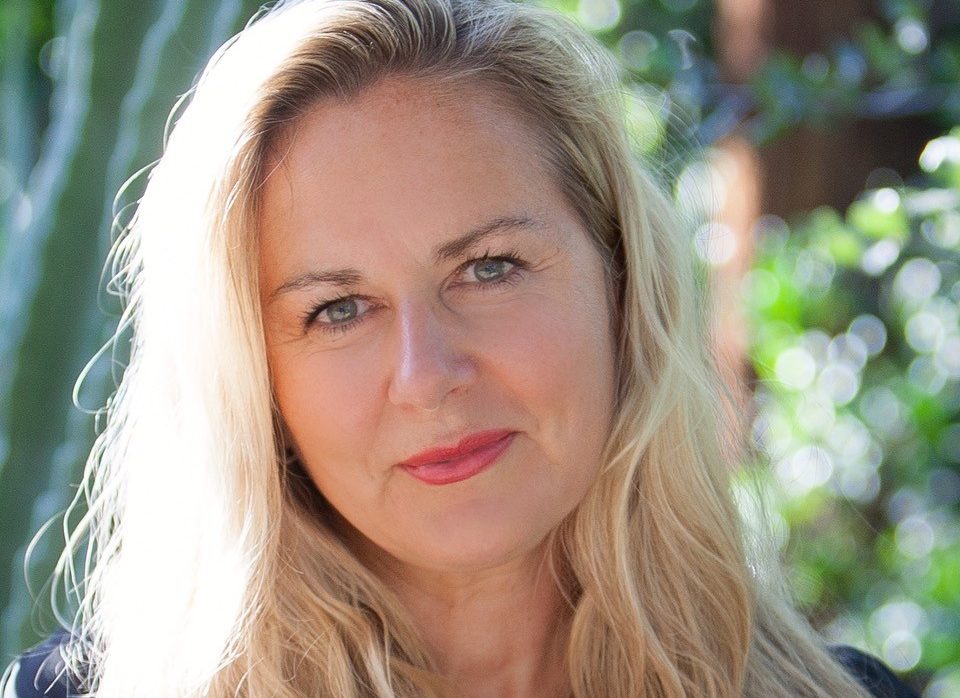
Sandra Rebok
Looking Back to Move Forward: The Future of the MSCAs
Luca Perego, Head of Unit – Marie Skłodowska-Curie Actions, DG EAC, European Commission
Looking beyond the programme’s first 30 years and considering the themes and topics featured in the conference, this closing plenary address will explore how the MSCA can continue to strengthen Europe’s research talent pipeline, support researcher mobility and contribute to more resilient and attractive research careers across Europe.
Luca Perego
Luca Perego is the Head of Unit “Choose Europe and MSCA” in the Directorate General for Education, Youth, Sport and Culture of the European Commission. The unit develops policies and actions aimed at attracting and retaining research talent in Europe, contributing to the Choose Europe initiative. The unit defines the policies underpinning the Marie Skłodowska-Curie Actions (MSCA), the EU flagship programme for doctoral education and postdoctoral training of researchers. He is an electronic engineer with 33 years’ experience in private and public sector management. He joined the European Commission in 2010 after having held the Information Technology Department of an Italian insurance group. He set up and launched the new Eur-Lex at the Publications Office of the European Union and then worked for 10 years in DG EAC as Assistant to the Director General for Education, Youth, Sport and Culture, Head of Unit “Stakeholders Engagement and Programmes Impact” and Head of Unit “Innovation and EIT”. Born in Verona, Italy, he is trilingual in Italian, French and English.