Industry RD&I Fellowship Experiences

Research Ireland’s Industry RD&I Fellowship Programme supported academia–enterprise collaboration through the placement of academic researchers with industry partners. The case studies outlined below reflect experiences from the programme. In 2025, the programme ran under the Placement Stream of the Enterprise Fellowships programme as Research Ireland developed a new consolidated fellowship scheme.
Previous Industry RD&I Fellowship experiences
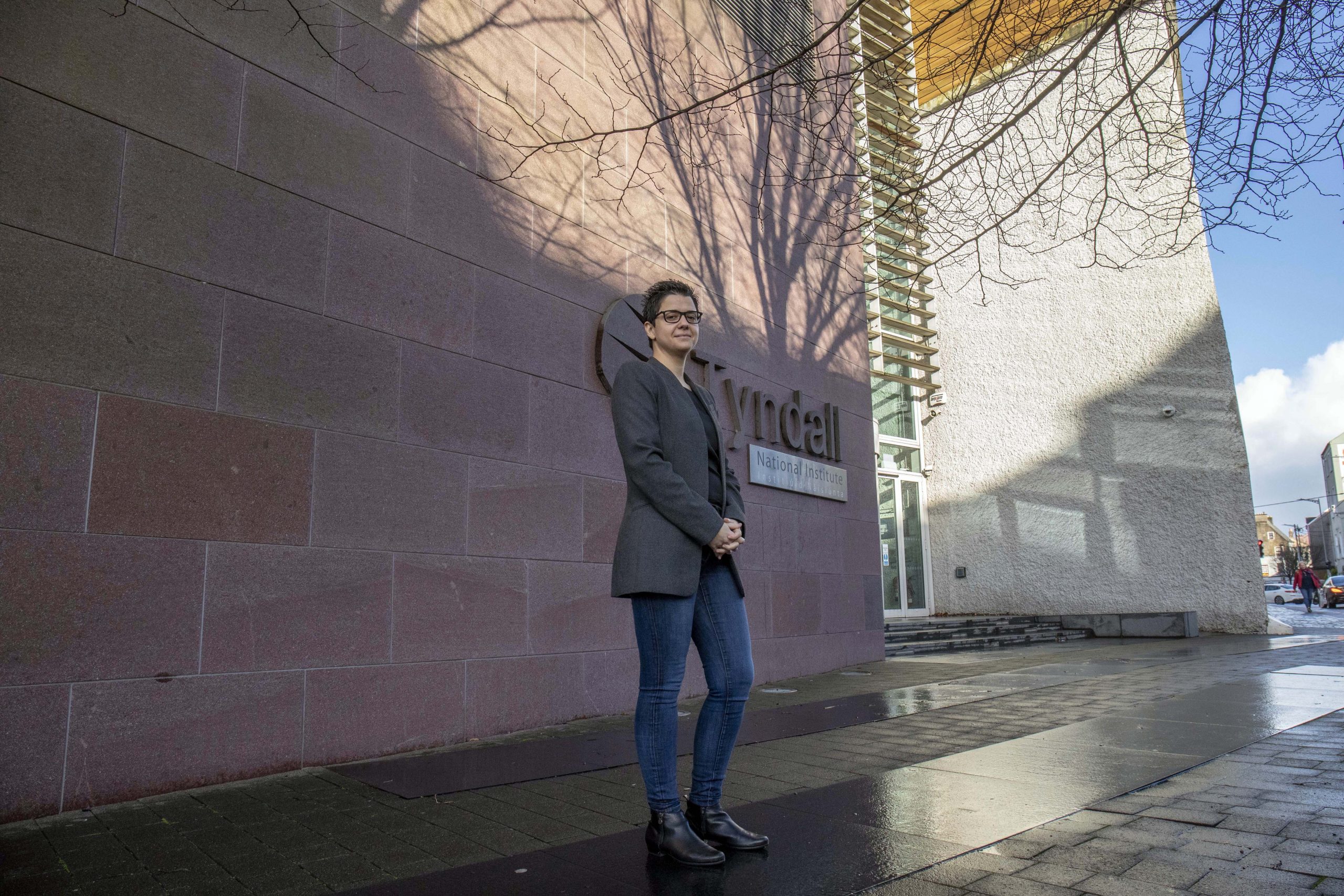
Dr James Murray, a former postdoctoral researcher at Technological University of the Shannon (TUS), was awarded an Industry RD&I Fellowship in 2022 to spend time at DePuy Synthes in Cork and the Johnson & Johnson 3D Printing Center of Excellence in Florida, USA, to work on the recovery of additively manufactured polyetheretherketone (PEEK) for reuse in orthopedic implants.
Can you tell us a bit about your research background?
My background is in composites and manufacturing processes. I was awarded a PhD by the University of Edinburgh in 2020 having worked on the development of a manufacturing process to produce a high-performance recyclable alternative to metals and thermoset composites for structural automotive parts. I returned to Ireland then and joined TUS as a postdoctoral researcher and led several research projects in bio-based pigments and biopolymer development.
What drew you to the Industry RD&I Fellowship?
I was thinking a lot about the future and what direction I wanted my career to go in at the time. I knew that I wanted to work at the forefront of research, development and innovation and saw myself making that transition to industry eventually, but I wouldn’t necessarily say that I was in a hurry to leave academia either. The Industry RD&I Fellowship was the perfect vehicle for me to bridge that gap and explore what a career in industry could offer without cutting those ties to academia completely. It’s a very supportive programme in that way. Colleagues of mine have taken similar routes to the one I am currently undertaking (transferring from academia to industry) and their advice was also helpful to me in the beginning.
How did you go about finding a suitable industry partner?
Coming from a composites background, I wanted to continue working with high-performance materials like titanium and PEEK so naturally the medical devices industry in Ireland, given its size and influence spoke to me. With medical devices, I was particularly interested in implantable devices in orthopedics due to the structural nature of the materials which require the ability to support high loads, be flexible and withstand impact. I began brainstorming ideas and researching companies in this space. Fortunately, I had a contact in Depuy Synthes in Cork, who I knew had a background in metals and worked on these types of implants so I reached out to him, we set up a call and I pitched my ideas. As it turned out he would become one of my industry mentors. There was some back-and-forth and while the project I ended up working on was very different to the one I proposed, I really got a lot out of that initial experience.
How did you benefit from the Industry RD&I Fellowship?
My prior knowledge and experience of 3D printing prior to the Fellowship programme was limited and it offered a great opportunity to train, gain experience and expertise in some of the most advanced forms of 3D printing. Most of my R&D work was carried out in Jacksonville, Florida at the Johnson & Johnson 3D Printing Center of Excellence where I spent 10 weeks in the Spring and then another 5 weeks in Autumn. I gained a thorough understanding of the behaviour of PEEK material and the different variables affecting it. My supervisor in Jacksonville, was an expert in 3D printing polymers. Through general conversations, project planning and review, I gained a lot of knowledge from them and was exposed to methodologies they use in areas such as experimental design and statistical engineering. If and when I manage a team in the future, their leadership style would be inspirational and valuable to me. When I wasn’t in Florida, I was based at Depuy Synthes in Cork, where I was working on the analytical and reporting elements of the project. The Fellowship gave me a good understanding of how priorities differ between industry and academia.
What advice would you give to applicants?
Be strategic about the companies you engage with and choose them wisely. DePuy Synthes were already familiar with the Industry RD&I Fellowship and were enthusiastic to collaborate. Reach out to your network from college, some of them could have at least five years’ worth of experience in industry by then. Take full advantage of all opportunities for training and travel. I undertook an intense 12-week Data Science Programme with MIT online. I also completed training with J&J on a number of their products and surgical processes. While in Florida, I built up my network of contacts at J&J. These are people I can work with again or ask for advice regarding my own work. I would say the application itself was also a learning experience for me. I hadn’t written my own proposal before, but you learn how to be organised with planning and working budgets and timelines. You are sort of representing the University and the company so you’re managing expectations too. TUS and SFI were very supportive throughout the process so don’t be afraid to ask for help.
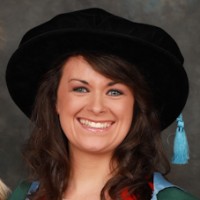
Dr Karen Fox completed an Industry RD&I Fellowship in 2023 at KelAda Pharmachem, a leading pharmaceutical and biotech company in Dublin. Her project contributed to developing a new synthetic pathway for precise RNA fluorination, which holds significant potential for RNA-based drug development and diagnostics. The fellowship strengthened her existing communication and technical skills, in addition to broadening her network with industry and academic professionals.
How did you go about finding an industry partner?
Finding the right industry partner involved a combination of proactive searching and leveraging existing connections. I began by clearly defining my research interests and identifying their potential applications in an industry setting, focusing on areas with real-world impact. I then thoroughly researched companies that were leaders in my relevant fields. KelAda stood out to me due to their commitment to green, cost-effective processes and repurposing industrial byproducts, which perfectly aligned with me. Having previously collaborated with KelAda, reaching out to them felt like a natural step. From our initial discussions, it was evident that we shared common research goals and that the fellowship would be mutually beneficial.
Do you have any advice for applicants looking to apply for the fellowship?
One key piece of advice is to clearly understand and articulate your research interests and career goals. Tailor your application to highlight how these align with the objectives of the fellowship and the industry partner. When I applied, I emphasized my passion for sustainable industrial practices and detailed how my skills could contribute to these goals. Additionally, make sure your CV and proposal are well-crafted and specific to the fellowship’s focus areas. Networking is also crucial; don’t hesitate to reach out to contacts in your field, attend industry events, and get advice from academic mentors. Remember, the goal is to find a partnership that is mutually beneficial, so demonstrating how you can add value to the industry partner is essential.
How does the industry partner benefit from the Industry RD&I Fellowship?
The industry partner gains significantly from hosting a fellow. Our company benefits from their advanced expertise and innovative research skills, driving R&D efforts more rapidly and effectively. This collaboration provides access to the latest academic findings and often results in tangible outputs, such as publications, boosting our IP portfolio and market competitiveness. Engaging with a postdoctoral fellow significantly propels innovation and adds value to our R&D endeavors. – Brian Kelly, CEO at KelAda Pharmachem
Dr Marcus Baumann, Associate Professor of Continuous Flow Chemistry and Lecturer at University College Dublin (UCD), was awarded an Industry Fellowship in 2020 to spend time at Almac Group Ltd in Craigavon, Northern Ireland, to collaborate on the development of technologies for manufacturing chemical intermediates and active pharmaceutical ingredients (APIs) via the synergetic marriage of continuous flow and biocatalytic processes.
Can you tell us a bit about your research background?
My background is in Organic Chemistry. In 2017, I moved to Ireland to join UCD as an Assistant Professor in Continuous Flow Chemistry to pursue an independent research career. I currently lead the Baumann Research Group. We are a synthetic chemistry group exploiting flow reactor technology in combination with photochemistry and biocatalysis to create molecules with interesting biological properties. Continuous flow chemistry is practical for industrial applications because it allows for faster reaction times and a scaled-up process, better quality product and critically, the ability to perform chemistry that is difficult or impossible to do in batch mode. It also produces less waste which makes it a lot safer and environmentally more friendly.
How did the partnership with Almac Group come about?
I first met Professor Tom Moody (Almac’s VP of Technology Development and Commercialisation) in 2018 at an event in Manchester where I had delivered a talk. Almac have extensive expertise in biocatalysis (using enzymes to do chemical transformations) which is a highly valued enabling technology for pharmaceutical research and development. It was something I didn’t have a lot of hands-on experience in at the time. Almac were also interested in continuous flow chemistry, an area I had already been working in for more than 7 years. It was an opportunity to marry the two technologies. Shortly after, I travelled to Almac’s site at Craigavon and delivered a presentation. In the 6 months leading up to the Fellowship there was some back and forth as we discussed options for collaboration.
What drew you to the Industry Fellowship?
I applied to the Industry Fellowship Programme in 2019. It was Dr Megan Smyth (Team Leader at Almac Group Ltd.) that introduced me to the Industry Fellowship. As an established faculty researcher with an independent group, it was an opportunity for me to extend my research portfolio into industrially relevant fields and in turn, an opportunity for Almac to further expand their existing flow chemistry platforms. The chemical and pharmaceutical sector in Ireland is large and biocatalysis and flow chemistry are both recognised as key technologies to produce sustainable chemicals globally. So, of course there is a lot of interest from academia in training students in these newer technologies. Comparably, there is also the interest from industry to hire people that have these skills. In this way, my research lab was a perfect match for Almac and the Industry Fellowship was an ideal entry point for meaningful collaboration.
How did you benefit from the Industry Fellowship?
The Industry Fellowship was invaluable in getting the collaboration with Almac up and running. Synergy and transfer of knowledge and expertise were a priority. It offered me insights into working with enzymes in flow which is something we will certainly intensify in our lab. Another benefit was the open-dialogue and exchange of ideas that took place throughout. It has allowed us to work on a number of interesting and industry-relevant projects, jointly publish our results while also still achieving the objectives outlined in the Fellowship proposal. We currently have 6 joint-publications and are working on a 7th. We have since been featured on the cover of the Journal of Organic Chemistry and the European Journal of Organic Chemistry. It also allowed us to apply for, and secure, extra funding to recruit postgraduates that we are jointly supervising. For example, I was recently awarded a Frontiers for the Future grant (Almac Group are a collaborator). I was able to reduce my teaching hours which was crucial at the beginning to get things off the ground. I spent a lot of time at Almac’s site at Craigavon where I saw how research is carried out in an industrial environment and have since transferred some of these insights back to my own lab at UCD.
What additional advice can you give to other faculty researchers thinking about applying?
Having an established industry contact early on was a huge advantage and accelerated the process. Approach the fellowship as a stepping-stone to expand your industry network. When engaging with companies, have a strong idea of what you want to achieve with a partnership and have a good strategy in place in terms of shared research. Almac Group Ltd. are a company that are very open to publishing which meant that we were productive throughout the COVID-19 pandemic, and it brought a lot of positive exposure and visibility to the partnership. This is good for me as an academic but also for the postgraduate students that were involved in the research. I would say that the Fellowship was the driving force behind our continued collaboration with Almac today. Applicants should keep this in mind whether you are a senior postdoctoral researcher or already starting to build an independent career in research.
Almac Group Ltd. strongly values collaboration with academia. The success of this SFI Industry Fellowship has generated positive exposure and visibility to our company within the research community at UCD and across Ireland. The breadth of complementary expertise Marcus brought to the partnership was invaluable and has allowed us to perform high-quality research at an accelerated pace and present case studies to our customers. It has also proven to be an excellent mechanism for attracting and retaining talented scientists with the necessary skills and expertise. Overall, it was a very successful partnership and we look forward to continued collaboration with Marcus and his research group. – Dr Megan Smyth (Team Leader at Almac Group Ltd.)
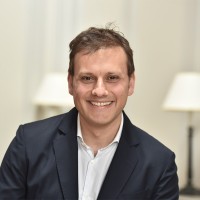
Dr Marco Monopoli, a Senior Lecturer in the Department of Chemistry at RCSI, was awarded an Industry Fellowship award in 2016 to spend time at Ludger Ltd in the United Kingdom to develop glycoprofiling technologies for biological therapeutics.
The best science is collaborative but the Industry Fellowship is something more impactful than that. In my case, it allowed me to have a year of total immersion in an industry environment where I learned new techniques and methods that I am now routinely implementing in my laboratory after my return to academia.
What were your research interests at the time?
When I applied to the Industry Fellowship, I was a senior postdoctoral fellow in UCD working in Prof Kenneth Dawson’s research group. I was studying the effects of biological fluid and environmental media on nanoparticle behaviour, to understand and predict their potential toxicity. In the last year of my postdoctoral fellowship, I developed my interest in glycobiology when I had the opportunity to collaborate with Professor Pauline Rudd in NIBRT, a world-renowned leader on this topic.
What drew you to the Industry Fellowship?
The all-too-common state of career limbo that many postdoctoral researchers find themselves in creates strong feelings of doubt and uncertainty about the future. The Industry Fellowship spoke to me because it was specifically tailored to the development of the postdoctoral researcher, and I knew this was the right programme for me. Another thing was its bottom-up approach to funding which gave me the motivation to pursue the research that I was most passionate about. Preparing for career grants can be incredibly time consuming which causes high levels of anxiety and limits your ability to plan too far ahead. The Industry Fellowship application process was straightforward and much less complex than other funding schemes and also had a much higher success rate. It was clear to me what was being asked of me, and this made the process more accessible and less intimidating. I would describe it as being like a Q&A style of application so writing the proposal felt very natural.
How did you go about finding an industry partner?
Bridging the academia-industry gap is difficult! At the beginning, I was a bit scared to send out emails to companies. I wish I had been more proactive about this. I think you could try a hundred different things and if one of those things works then you are lucky! You should have a strong idea of what it is you want to do and which companies operate in that space. Identify topics in the R&D space that excite you and make a list of keywords. When scoping out companies, check to see if they have a track record of securing funding? Are they open to academic collaborations? Use your existing network. Check the employer’s LinkedIn profile, do you have any mutual connections here? Ask for an introduction. At the time, I knew there must be some company working in the glycobiology space that is a partner on a European level project (that’s how I got the partnership with Ludger Ltd. who I found on the European Commission website). Ultimately, it’s a bilateral partnership so you need to be strategic and offer something that will also be of value to the company. Be confident in your abilities and be generous with your skill set.
Do you have any additional advice for applicants hoping to apply to the Industry Fellowship?
Don’t be afraid, reach out to companies often and early. You may need to be very patient waiting for a response from a company director. In my case, it took weeks. Know your worth – postdoctoral researchers are highly trained scientists that are extremely valuable to companies. We are often most comfortable when talking to other scientists and academics but there can be a much broader infrastructure behind you. I was lucky to have the support of the technology transfer office (TTO) in UCD who were friendly, approachable and brought a lot of knowledge around IP and possible inventions. They were enthusiastic and open to having those talks with me. Engage with your TTO/innovation office as soon as possible.
What impact did the Industry Fellowship have on your career?
My Industry Fellowship was a lot like a sabbatical. Without the added responsibilities of teaching or supervising, it gave me the time and space I needed to apply myself fully, think more deeply about what I could develop and how I could plan for the next stage of my career. I was highly active in the laboratory from day one and was treated like any other team member. We learned a great deal from each other by sharing knowledge and solving problems through our collaborative work. After I returned to Ireland and joined RCSI, I had built a much stronger professional network. When it comes to applying for the next grant that Ludger also fits, I know that I can pick up the phone and we can have that conversation – we have so many ideas! I also bought equipment that I now know how to use and could continue to do what I did at Ludger. For example, with the new machines, I was able to secure two other European grants where this expertise was needed. I believe I couldn’t have achieved this in a solely academic setting.
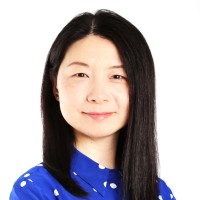
Dr Ming Zhao, a senior postdoctoral research fellow at the School of Biosystems and Food Engineering at University College Dublin (UCD), was awarded an Industry RD&I Fellowship in 2021 to spend time at Lakeland Dairies Group where she is working on the development and validation of Process Analytical Technologies (PAT) for in-line and on-line application in the dairy industry.
Can you tell us a bit about your project?
I’m developing process analytical technology (PAT) tools for in-line real time monitoring of dairy powder processes using advanced control strategies including machine learning and deep learning algorithms to enable enhanced control of dairy manufacturing processes. PAT finds its origins in pharmaceutical manufacturing control, but is especially useful in dairy processing, specifically for functional dairy products such as milk formula powders. For PAT applications, we need advanced sensors and software for online process monitoring and control from raw material to end-product. This project will facilitate the Irish dairy industry to improve product quality, reduce out-of-specification products while also developing sustainable competitive enterprises and enhance sustainable food production and processing in Ireland.
What drew you to the Industry RD&I Fellowship?
My current academic mentor informed me about the Industry RD&I Fellowship. For me, the attraction has been the opportunities to acquire new technical competencies and make valuable industry connections that benefit my career development. I’m working towards a senior position at a leading research institution or in industry. The mobility afforded through the Fellowship allows me to participate in the two-way transfer of ideas and expertise. I also wanted to gain exposure to a new network of collaborators including key dairy industry stakeholders along the dairy supply chain.
How did you go about finding a suitable industry partner?
Lakeland Dairies is a major dairy processing company in Ireland with a strong focus on the development of technical capabilities through an ongoing investment programme in staff development, collaboration with academia and new processing technologies for enhanced competitiveness. I utilised my academic network within UCD to get an introduction and had some correspondence with the Head of R&D; we had a couple of meetings and outlined potential ideas for research collaboration opportunities. Based on these discussions, we prepared an RD&I Fellowship proposal which was selected for funding. My project is also a valuable opportunity for the University to build long-term collaborations with industry.
How did you benefit from the Industry RD&I Fellowship?
I was already using machine learning models and other deep learning methods combined with spectroscopy and hyperspectral imaging in previous projects and publications. This Fellowship gave me an opportunity to sharpen these skills and apply them to an industrially relevant area with real-world applications. The R&D team of Lakeland Dairies was incredibly supportive of my onboarding and allowed me to co-operate with other teams for this ongoing project. I also received valuable training in processing and quality control teams on dairy technology and analysis. I got more familiar with the whole powder manufacturing process from raw material to final product. The knowledge that I acquired in this project has given me new products and process insights which I will apply in my future career as a processing engineer and researcher. The opportunity to develop my communication skills has also been a huge benefit for me whether I’m working across teams at Lakeland Dairies or managing stakeholders, talking face-to-face, listening to their ideas, authoring reports, and managing expectations.
Do you have any additional advice for applicants hoping to apply to the Industry RD&I Fellowship?
Building a solid partnership and a shared research plan early on is crucial. Engage with the industry partners as much as you can and bring them into the process as soon as possible so that you can identify early what industry is interested in developing and avoid misaligning the project with the company’s aspirations. Growing your existing industry network is important but so is maintaining your existing network, including contacts from previous employment, they can always be useful. I have also learned that in the real-world environment of the production line, solving one problem often leads to identifying new problems or areas for process improvement that I had not considered before, these insights are not always possible in a solely academic setting. In short, don’t rule out the part-time option for a Fellowship as there is always something to work on and more time means more opportunities for research.
How does the industry partner benefit from the RD&I Fellowship?
Specifically, this project will have a direct impact on enhancing the in-line quality control of dairy processing with strong potential to reduce energy consumption, reduce fouling and produce more consistent dairy powder products with in-line monitoring of the quality properties. This project will also help Lakeland Dairies to achieve their overall goal of becoming an innovation focused manufacturer of superior quality, application specific food ingredients. – Chere Duffy, Head of R&D at Lakeland Dairies
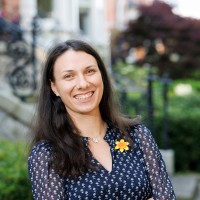
Dr Petra Jagušt, an Irish Cancer Society Research Fellow at the RCSI University of Medicine and Health Sciences (RCSI), was awarded an Industry RD&I Fellowship in 2022. She worked with Dublin-based start-up, Remedy Biologics Ltd on the project ‘Breast Cancer Immune Ecosystem-derived T Cell Therapy (SENSE)’. The project aimed to isolate and characterise immune cells, specifically tumour-infiltrating lymphocytes (TIL) with the highest anti-tumour properties from patient tissue samples to improve future cell therapy options for cancer patients. Dr Jagušt’s expertise in processing primary cancer tissue, establishing patient-derived cancer organoids, and primary T-cell cultures and her knowledge of cancer cell microenvironment provided valuable insights for leading and executing this project in collaboration with RemedyBio. The fellowship significantly bolstered Dr Jagušt’s career by validating RemedyBio’s single-cell platform and enriching her expertise in cancer cell-TIL interactions across various solid cancers, while also developing skills in project management and interdisciplinary collaboration. These experiences have established her as a key contributor in advancing translational cancer research.
How did you go about finding an industry partner?
After discovering the Industry RD&I Fellowship, I reached out to the Office of Research and Innovation at RCSI. They assisted me in tailoring my CV for industry, such as emphasising my practical skills over academic publications. RCSI soon provided me with a list of potential industry partners that aligned with my interests. Coincidentally, RemedyBio contacted RCSI on another matter around the same time, and we connected. From there, RemedyBio and I collaborated on designing a project that strongly aligns with both their goals and mine.
Do you have any advice for applicants looking to apply for the fellowship?
In terms of finding an industry partner, my best advice is to define your goals and objectives. This will help you determine the type of environment that aligns with what you want to achieve. Consider the skills you want to gain and seek out companies that can provide those opportunities. Leverage your network and research office to identify suitable companies. I highly recommend startups for the fellowship, as they expose you to various aspects of business operations and stakeholder engagement.
What impact did the Fellowship have on your career?
The fellowship was incredibly beneficial for my career, particularly in helping me secure my current position as an Irish Cancer Society Research Fellow at RSCI. The experience of managing my own projects and budgets was highly regarded. The hard and soft skills I acquired at RemedyBio have been invaluable in my current research. For example, my work has greatly benefited from my improved microscopy skills, and my research is now more detail-focused thanks to enhanced project management abilities. I’ve become adept at setting well-defined short-term goals and recognising the importance of celebrating small achievements. Additionally, my professional network has significantly expanded thanks to this Fellowship. By participating in stakeholder and investor meetings, I learned how to approach potential industry partners and establish collaborations. I now feel more confident in my ability to effectively communicate my research and present scientific data in a way that engages interest and support.
The Industry RD&I Fellowship was a natural and strong fit with the company’s research and business plan to create new cancer immunotherapies exploiting our ultra-high throughput single-cell analysis platform. Our technology maps complex interactions and functions of the immune cells from patients with challenging cancer malignancies to discover new immunotherapeutic agents. The Fellowship project was very successful. Not only did it allow Dr. Jagušt to provide key expertise in the areas of primary breast cancer, patient-derived cancer organoids and primary T cell culture, but the project results also supported the development of RemedyBio’s therapeutic discovery platform. – Dr Vega-Carrascal, Director of Operations at Remedy Biologics
Dr Lukasz Porwol is the Head of the E-Gov Unit and a Research Fellow at the Research Ireland Insight Centre for Data Analytics, University of Galway. In 2022, Dr Porwol was awarded an Industry RD&I Fellowship to spend time at Fidelity Investments researching and experimenting with Extended Reality (XR) technologies to enhance business performance and customer experience.
Can you tell us a bit about your research background?
I was awarded a PhD in Computer Science from the University of Galway in 2016, focusing on Digital Communication and the challenges of online interactions between citizens and the Government. My research focuses on the use of emerging technologies such as VR/AR for e-Participation and e-Government. I have collaborated with policymakers in Ireland and played a leading role in coordinating EU-level projects aimed at bridging the gap between research and policy, particularly in the areas of social media and media convergence. I developed a strong interest in experimenting with XR and emerging technologies (that blend the real and virtual worlds) as a next-generation medium for training and communication. This interest led to invitations to present to executives in London and other places, where I discussed how they could tap into that new medium. These engagements have driven me to author several publications exploring this area.
How did the partnership with Fidelity Investments come about?
Thanks to Insight’s communications team, Silicon Republic profiled my research on XR technologies, specifically VR. Mr. Fintan O’Malley (formerly the Director of Research, Development and Innovation at Fidelity Investments) saw the article and knew that this technology was directly relevant to a business unit within the company. At the beginning, I was unfamiliar with the financial sector and companies like Fidelity Investments and was unaware that they can be research active in the technology space. It was clear that there was a real synergy between my work and the work Fidelity Investments was doing, with the emerging tech incubator team within the Fidelity Center for Applied Technology (FCAT). Fintan connected me with that business unit leading to discussions about opportunities for collaboration that ultimately laid the groundwork for the Fellowship.
Why did you choose to do the Fellowship part-time, and what were the benefits?
I realised very quickly that to maximise the impact of my Fellowship; I needed to spend as much time as I could with the company. This was especially helpful at the beginning and gave me more time to build a solid foundation and learn the internal structures of the company. In particular, I built a strong relationship with the head of FCAT’s emerging tech incubator and the broader teams, and understanding their KPIs was essential at the outset. We actually built this learning into the Fellowship as a work-package which was of immense benefit to me. Additionally, as an established researcher, I was already leading on other research projects. It would have been challenging to completely disengage from them, making the part-time option the right choice. These projects were also highly aligned with the Fellowship, which made my part-time involvement complementary rather than contradictory. For example, I was already involved with leading and organising MIT’s Reality Hack and was able to bring FCAT as one of the sponsors and contributors, which enabled me to continue my involvement and bring even greater value to the Fellowship.
Do you have any tips for finding an industry partner?
As academics, we often limit ourselves to academic circles and conferences. Before my engagement with Fidelity, I was attending a lot of industrial conferences and networking events. There are so many of these events happening in Ireland and beyond where you can learn about what is going on in industry, especially if you are looking to expand your network in that way. For example, I recently attended the Dublin Tech Summit, which is a fantastic opportunity for researchers to engage with businesses and learn about their interests and capabilities. Look out for companies that align with your goals and values. You could also have a look at some online databases, industry publications, and social media to find potential partners.
Do you have any tips for engaging with industry partners?
When engaging with industry, you really need to put a conscious effort into adapting your style of communication because the way academia and industry communicate is very different. Generally speaking, industry partners prefer simple, concise plans with clear goals, inputs, and outcomes. Learning the industry partner’s style of communication and planning accordingly can help you become more relevant and effective during those initial engagements. I would say it’s also important to be proactive when it comes to putting your application together and making sure that you have all the necessary documentation to support your application. You can’t really afford to wait around for things to happen or expect the industry partner to do the heavy lifting.
What impact has the Fellowship had on your career?
This Fellowship has greatly impacted my career by enhancing my expert knowledge and expanding my professional network. I’ve had the opportunity to work with Fidelity Investments executives across the world and visit many of their sites. The business unit I work with is distributed across five different locations and I’ve visited all of them. These opportunities also had a snowball effect which led to opportunities to meet with some of Fidelity Investment’s external partners. Some of these very reputable companies invited me to visit, speak, and collaborate on common goals, including trips to California. This wouldn’t have been possible without Fidelity Investment’s influence and connections. Within Fidelity Investments, I’ve also collaborated with non-technical teams across legal, financial, and risk departments, engaging with many senior leaders and executives. The success of this Fellowship has led to a patent application where I am the lead inventor. It has taken me a few years to learn how to be truly innovative within this space, but I’m excited to say that we are now working on two follow-on projects that I believe will be transformative for the industry.
This Fellowship with Dr Porwol bridged the gap between academic research and business requirements, providing deep insights in the extended reality domain and fostering a culture of experimentation that has helped to shape our innovation agenda. – Peter Hubbert, Director, Research, Development & Innovation at Fidelity Ireland.
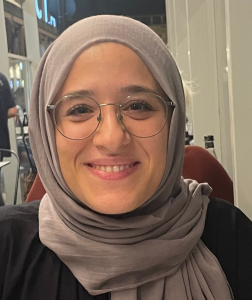
Dr. Ayse Kont, a postdoctoral researcher at University College Cork (UCC), was awarded an Industry RD&I Fellowship in 2024 to collaborate with Boston Scientific. Her project focuses on identifying critical quality attributes in the hydrogel bead synthesis of an existing product within the company’s portfolio.
Can you tell us a bit about your research background?
I am a pharmacist with a PhD from UCC in Pharmaceutical Technology, with the focus on the development of non-viral drug delivery vectors for nucleic acids and their delivery. The technical and transferable skills I gained during my PhD, supported me in undertaking a postdoctoral researcher position in the field of medical device development, specifically, investigating and establishing methods for the chemical and physical characterisation of medical devices funded by SSPC, Research Ireland Centre for Pharmaceuticals. Later I was awarded with the Industry RD&I Fellowship in 2024 with Boston Scientific Cork to work on medical device polymer bead process optimisation utilising the Quality by Design approach.
What drew you to the Industry RD&I Fellowship?
Having spent a number of years as an academic researcher, industry was a concealed territory to me. I always knew that I wanted to work in research, but the opportunity never arose to explore other research sectors outside of academia. As the fellowship programme is targeted at academic researchers, it gave me confidence to explore it as a straightforward pathway to transition into industrial research. Changing from an academic to an industrial environment requires the development of new skills; this fellowship allowed me to work in a safe and unique position that provided a platform for adaptation and new learnings.
How did you go about finding a suitable industry partner?
An academic mentor, Prof. Abina Crean (UCC), informed me about the possibility to work with Boston Scientific Cork and together we explored funding opportunities, and this is when I found out about the Industry RD&I fellowship. During the application process, the Research Office in UCC was very helpful and guided me through the process. I also felt lucky because both my academic and industrial mentor supported me throughout the application.
Can you tell us a bit about your project?
My project is focused on identifying critical quality attributes of a hydrogel bead synthesis of an existing product in Boston Scientific’s portfolio. This project has been a pivotal step in enhancing both product understanding and process efficiency. Through detailed analysis, we uncovered potential reasons for variability in the process during synthesis. This insight brings us closer to identifying the root cause, which will reduce in-process scrap and improve overall reproducibility. Moreover, the comprehensive review of both process and product led to the implementation of value improvement practices at multiple stages of production. These enhancements not only streamline operations but also contribute to long-term sustainability and cost-effectiveness.
How did you benefit from the Industry RD&I Fellowship?
Doing research at any working environment will be the same, however, delivering the results need to be altered specific to the audience, whether it is a wider group of colleagues with diverse backgrounds, stake holders, or simply your manager. Transitioning to industrial research during the fellowship seemed like learning a new language or putting on a new pair of glasses – you understand, see and gain access to a new world. It truly widened my perspective and enabled me to grow professionally. Beyond professional growth, it also helped me to identify and pinpoint the environment and area I want to continue working.
How does the industry partner benefit from the Industry RD&I Fellowship?
This project deepened our understanding of the existing product, opening possibilities for expanded applications and new features. The methodologies and concepts developed during this work are also transferable, offering a framework for handling newly acquired products within the same space at Boston Scientific. – Gareth Bell, Senior Fellow Manufacturing Engineer at Boston Scientific.