Momentum on Government’s research infrastructural investment continues apace with €17 million for Research Ireland projects
State-of-the-art facilities for AI, Quantum, medical devices and other key sectors.
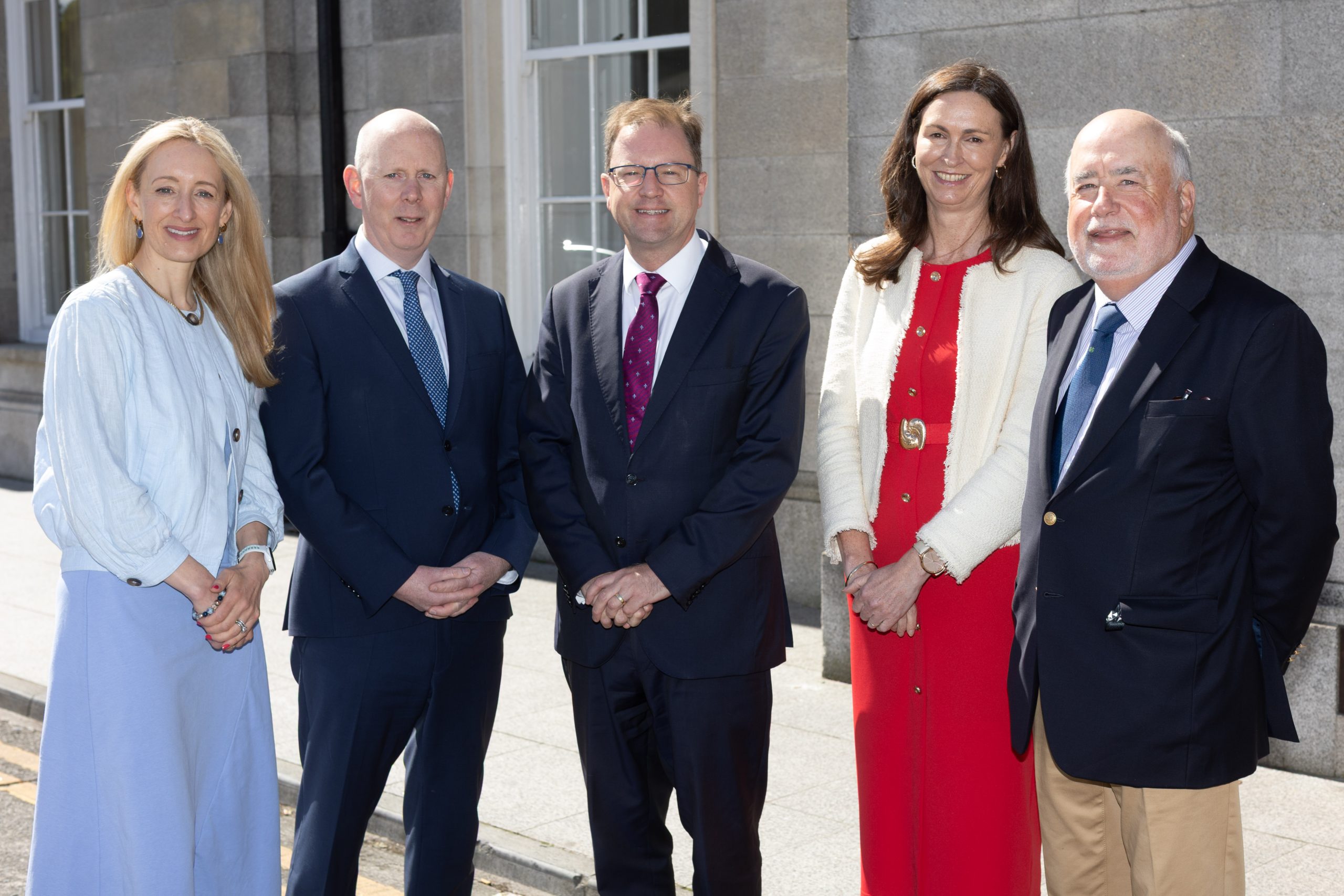
Minister for Further and Higher Education, Research, Innovation and Science, James Lawless TD, has today announced an investment of €17 million to support nine key infrastructure projects through the Research Ireland Infrastructure Programme.
This funding will enable the installation of state-of-the-art equipment and facilities across the country, strengthening Ireland’s research capacity in strategically important areas such as advanced materials, MedTech, AI, semiconductors and quantum technologies. The programme is designed to ensure that Irish researchers can access the specialised equipment needed to compete on the global stage.
Announcing the investment, Minister Lawless said:
Today’s Research Ireland infrastructure announcement further underscores our strong commitment to ensuring Ireland’s research community have access to world-class facilities. These nine projects will strengthen national capability in areas vital to Ireland’s future, including advanced materials, AI, and MedTech. This investment will equip researchers across the country with the tools they need to remain at the forefront of global innovation and strengthen Ireland’s long-term competitiveness.
Welcoming the announcement, Dr Diarmuid O’Brien, CEO of Research Ireland, added:
We are enabling researchers across the country to pursue ambitious ideas, deepen collaboration and accelerate breakthrough discoveries by providing access to truly world-class infrastructure. The awards announced today are a key step in delivering on Research Ireland’s strategy to strengthen national research capacity, future-proofing our research ecosystem and ensuring Ireland remains a global leader in high-impact research.
The nine Research Ireland-funded infrastructure awards are:
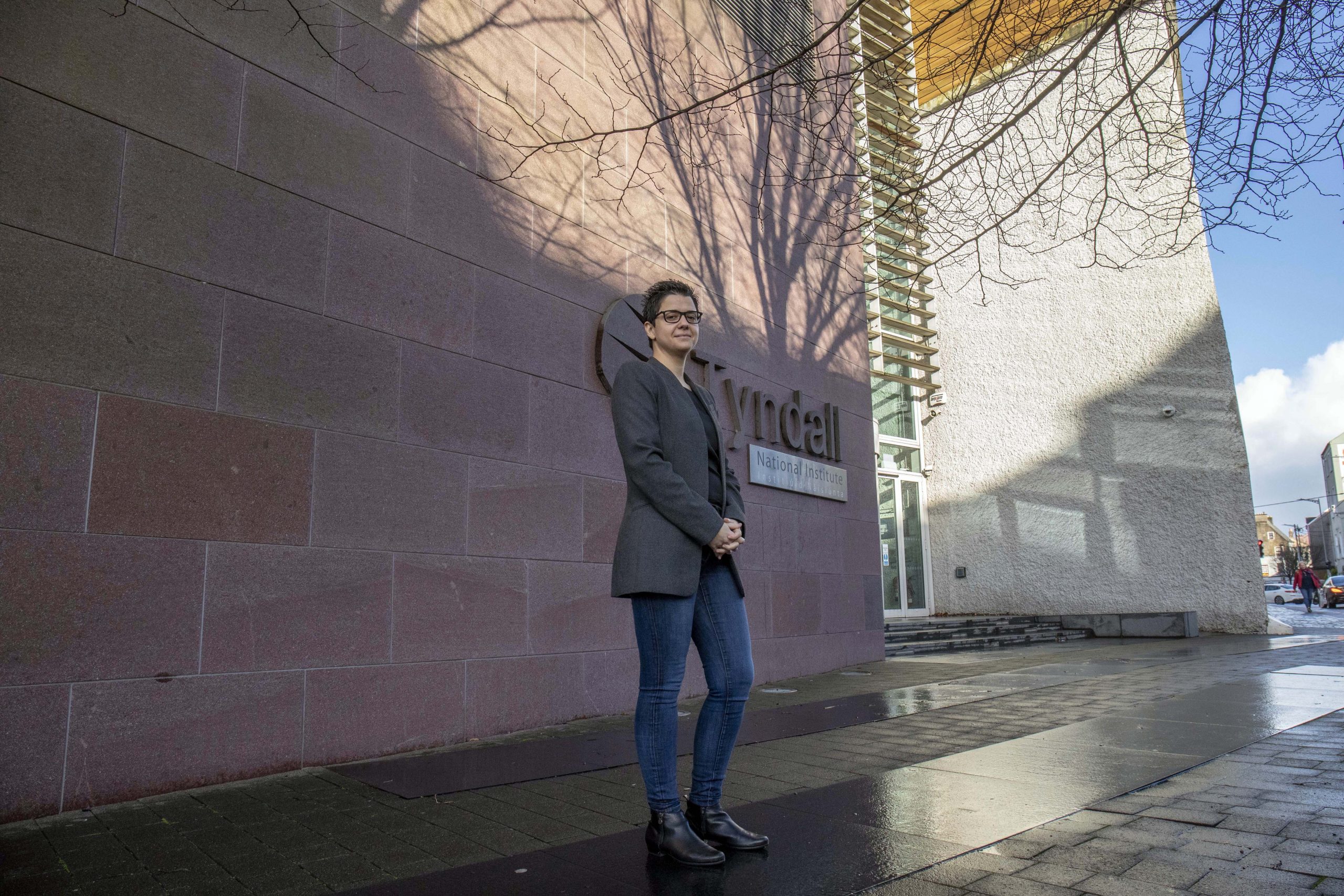
- Advanced Semiconductor Processing and characterIsation facility foR multifunctional thin-film matErials (ASPIRE), Tyndall National Institute, led by Dr. Lynette Keeney. ASPIRE will provide national capability for growing and analysing ultra-thin semiconductor materials with atomic precision, accelerating progress in advanced electronics and emerging technologies. (€4,674,908)
- Atomic Layer Etch Platform, Dublin City University, led by Prof. Deborah O’Connell. This platform will establish Ireland’s first facility for atomic etching with real-time diagnostic monitoring, supporting precision manufacturing for next-generation chips, quantum devices, and sensors. (€2,893,041)
- Full Spectrum Co-Operative Communications Test Bed Incorporating RF, THz & Optical Transmission, Dublin City University, led by Prof. Liam Barry. This infrastructure will allow researchers to develop and assess high-speed communication systems across radio, terahertz and optical frequencies for data-centre networks, wireless systems, and energy-efficient communications technologies. (€1,664,025)
- HARD2HISTO: Advanced HARD-Tissue, Biomaterial And Medical Device HISTOlogical Processing and Analysis Platform, RCSI University of Medicine and Health Sciences, led by Prof. Oran Kennedy. HARD2HISTO will be a national facility for preparing and analysing hard tissues and complex medical devices, supporting research into musculoskeletal health, dental and joint conditions. (€1,065,588)
- MeDiNet (Medical Device Innovation Network), University of Galway and RCSI University of Medicine and Health Sciences, led by Dr. Eimear Dolan. MeDiNet will provide shared national facilities for the designing and testing of new medical devices, reducing reliance on animal testing, and strengthening Ireland’s MedTech ecosystem. (€1,968,706)
- NanoStruct-X: Democratising advanced materials characterisation with lab-based synchtrotron-style tools, University College Dublin, led by Prof. Serena Cussen. NanoStruct-X will provide national access to synchrotron-style characterisation tools, expanding national capacity for high-precision analysis of complex materials and supporting breakthroughs across materials science, energy and manufacturing. (€1,361,069)
- Surface to Structure: Microscopy Suite for Advanced Sample Preparation and High-Resolution Imaging under Environmental Conditions and External Stimuli (S2S), University of Limerick, led by Prof. Shalini Singh. S2S will provide advanced imaging and sample-preparation tools for studying materials at the micro- and nanoscale under realistic, environmental conditions, supporting breakthroughs in materials for energy, environment, and healthcare. (€837,278)
- Testbed for Quantum Sensing Lab (QSL), University College Cork, led by Dr. Zili Li. QSL will establish one of the first dedicated platforms for developing portable, cost-effective sensing technologies for geo-engineering, supported by a helium recycling system that will also enable cutting-edge quantum physics and chemistry research across UCC. (€1,557,577)
- Walton AI Facility, South East Technological University, led by Dr. Lizy Abraham. The Walton AI facility will deliver an advanced AI and high-performance computing cluster, supporting national collaboration and industry-focused innovation across a wide range of AI applications. (€1,034,261)