RESTART: Monitoring Microbiological Water Quality
- Challenge:A Healthy Environment for All Challenge
- Co-Funders:European Union
- Phase:Runner-up
- Team Lead:Dr Ciprian Briciu-Burgina, Dublin City University
- Team Co-Lead:Prof. Fiona Regan, Dublin City University
- Societal Impact Champion:Roy O’Connor, Dublin City Council
Funders
Funded by: European Union & Government of Ireland


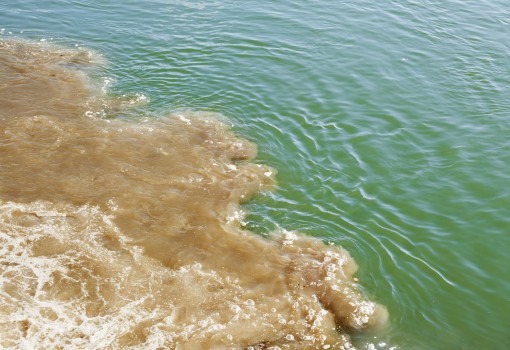
The RESTART project proposes to address bacterial contamination of aquatic systems that are seen as critical resources for recreation and well-being, aquaculture and fisheries, as well as drinking water supplies.
Microbiological water quality is currently based on the enumeration of faecal indicator bacteria using culture-based methods. Although highly standardised, these methods are time consuming and take from 18-72 hours to provide results, which makes same-day sampling and mitigation impossible. New tools and sensors are needed to enable:
the provision of microbiological water quality data to stakeholders in a timely manner,
sustainable management and protection of marine and coastal ecosystems and
decision support in the context of global warming.
RESTART proposes a full solution for monitoring microbiological water quality by developing anautonomous in-situ sensor (CS Sentinel) and a fully integrated decision support system for E. coli detection and quantification in water. CS Sentinel will provide for the first time, both early warning of pollution events and detection capabilities to satisfy legislative requirements. The key innovation in the proposed solution is the use of a dual detection module, seamlessly integrated. The first module will be used for rapid screening using a bio-marker enzyme for E. coli and will trigger the second module when pollution events are recorded. The second module will use a culture-based method and zero-waste multifunctional cartridges, providing a definitive, actionable result obviating the need for grab sample collection.