Farm Zero C: Developing the world’s first climate-neutral dairy farm
Farm Zero C is an innovative project aimed at creating the world’s first climate-neutral dairy farm.
Developing the world’s first climate-neutral dairy farm
The overarching goal is to achieve significant greenhouse gas reductions, improve biodiversity and increase water and air quality, while maintaining farm profitability.
Stakeholder engagement is also a crucial element of the project. Collaborating with stakeholders has underpinned the work of this engaged research project and ultimately empowers farmers with practical tools to enhance the sustainability of their own farming practice.
The project focuses on 8 key areas:
Life Cycle Assessment
This is the methodology used to measure our emissions from the farm. This involves us quantifying the carbon footprint of farm inputs (e.g. feed and fertiliser) over their lifetime and creating a carbon footprint for the farm output (milk).
Animal Emissions
Researching how to lower methane emissions produced by cows from enteric fermentation in their rumen.
Breeding and Animal Health
Reducing emissions from the herd by breeding high genetic quality cows which are more efficient, healthier and have a lower carbon footprint.
Soil and grassland management
Improving soil health and incorporating legumes into grassland are used to reduce fertilizer use. Other species such as chicory and plantain also improve soil structure and help to capture more carbon from the atmosphere.
Renewable energy
Sustainable energy sources are used to minimize reliance on fossil fuels.
Green Biorefining and Anaerobic digestion
Researching how to add value to grass within the bioeconomy.
Biodiversity and Natural Capital Accounting
Increasing the area and quality of the natural habitats on the farm.
Water and Air Quality
Improve air quality by reducing ammonia emissions from slurry and chemical fertiliser and improving water quality by increasing NUE on farm (Nitrogen Use Efficiency).
Phase one of the project has already resulted in a 27% reduction in the carbon footprint of the farm since 2018.
Purpose
In 2021, Ireland signed the Climate Action and Low Carbon Development Act. This includes a commitment to reduce emissions from the agriculture sector by 25% by 2030 and for the sector to become carbon neutral by 2050. The dairy industry is a key component of the social and economic fabric of Ireland and Europe. This sector faces the challenge of needing to reduce greenhouse gas emissions and ultimately to become carbon neutral.
Approach
Farm Zero C uses a holistic approach to tackle a topic that concerns us all. Consequently, the development and implementation of the key areas of the project is founded on collaborative engagement with key stakeholders. This approach ultimately delivers solutions that are more relevant and practical for society. Farm Zero C acts as an intermediary between research and practice, implementing measures that are possible for most farms in Ireland.
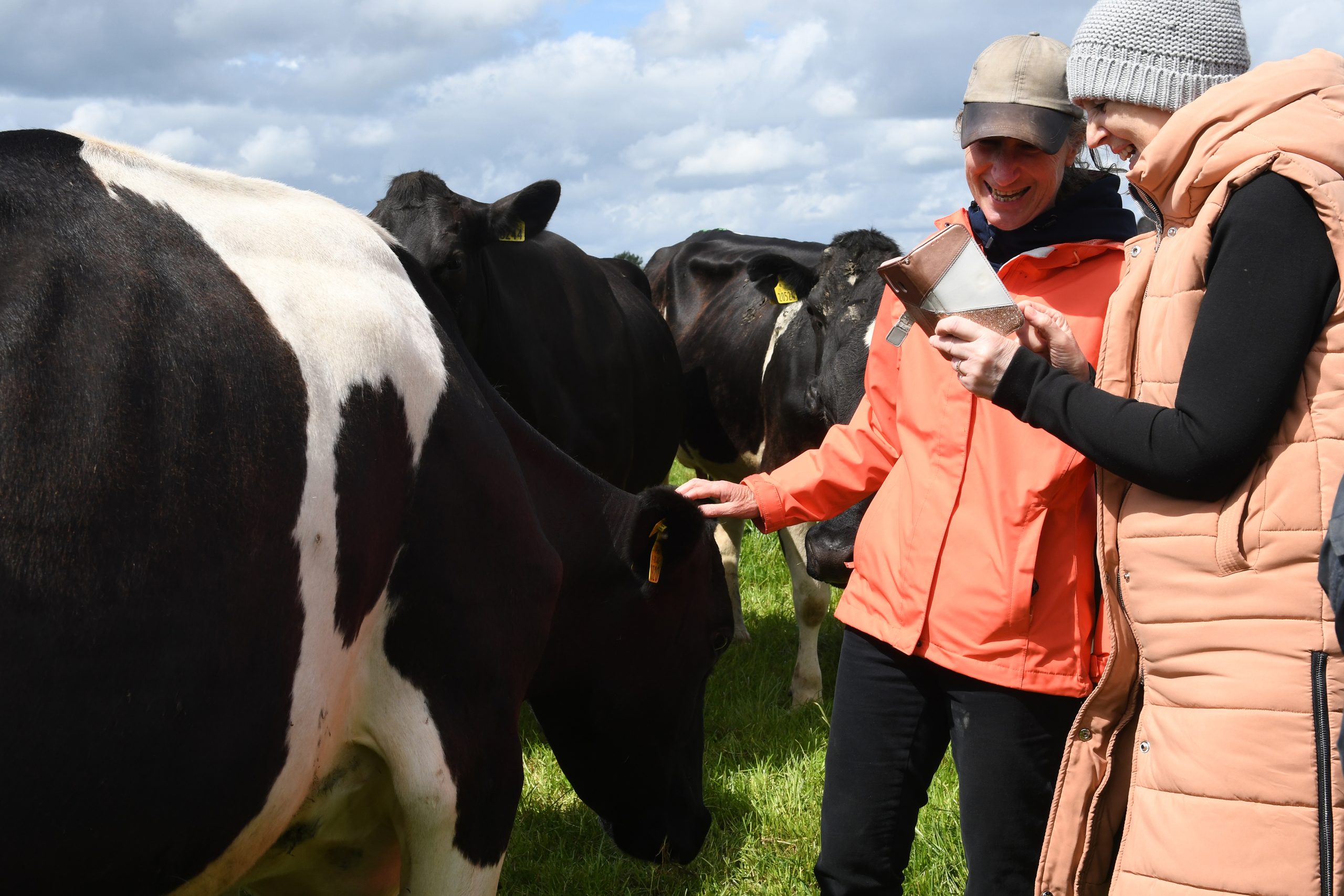
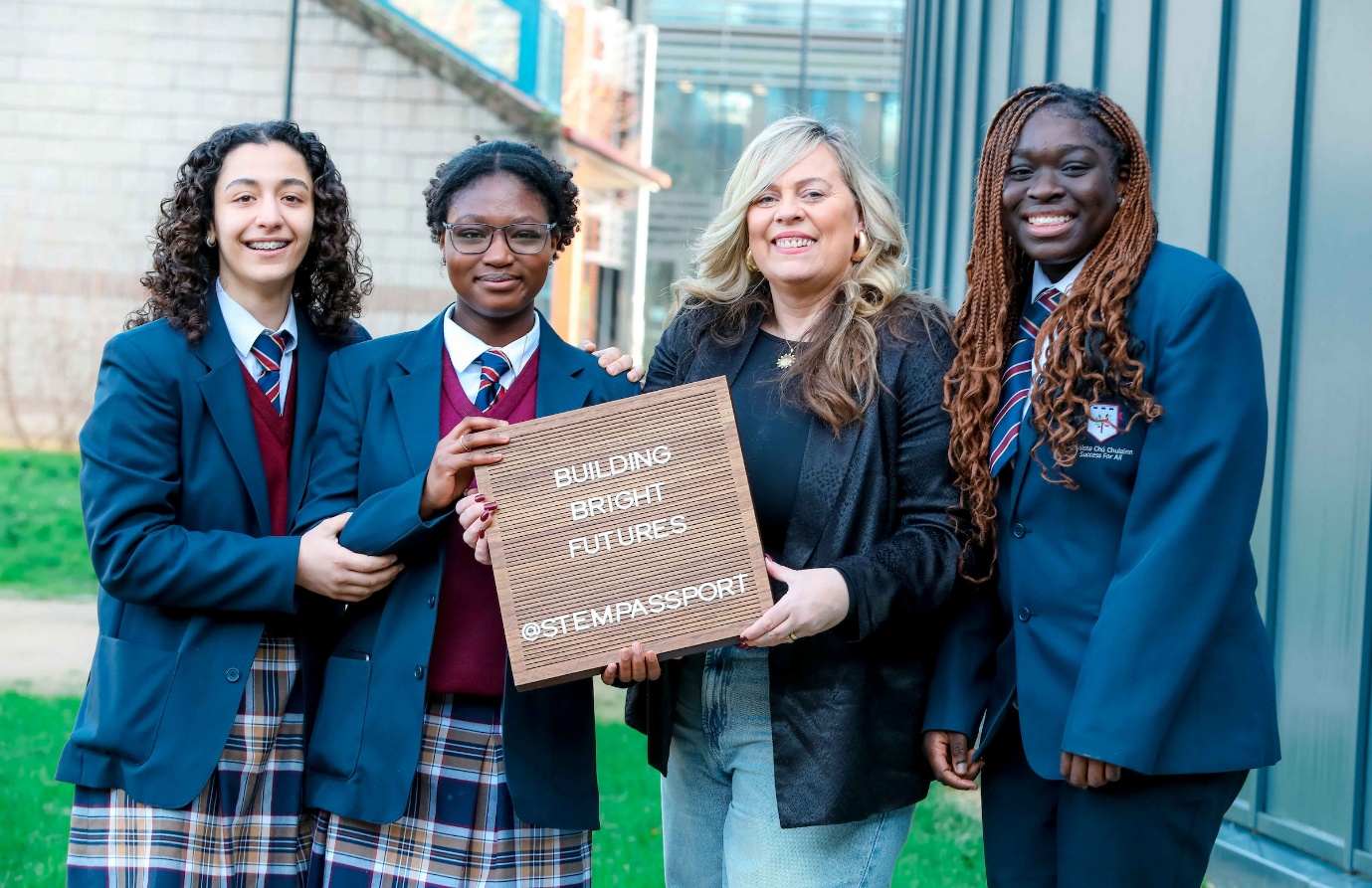
There has been more than 100 farm visits from a wide range of stakeholders including farmer groups, co-operative boards, school groups and ministerial visits to engage these stakeholders with the potential of carbon neutral farming. The farm has held two open days, in 2022 and 2024, to engage with the farming community. Visits from farmer groups and co-operative boards have been invaluable to understand how the end users of the technology can implement our methods practically. These discussions have allowed the project to collect feedback and ideas, raise novel questions for researchers and help build awareness.
In addition to working with Irish farmers, Farm Zero C is also bringing learnings to a Rwandan creamery, which will ultimately be expanded into a cheese facility and a visitor’s centre.

The biggest learning from this experience has been the need for practicality for farmers. It is vital that farmers are supported in their efforts to improve the sustainability of their businesses.
Who is involved?
The project is co-led by the BiOrbic Research Ireland Bioeconomy Research Centre and industry lead Carbery Group, while working in collaboration with the farm, Shinagh Estates. Academic partners are Munster Technological University, University College Dublin, University College Cork, Trinity College Dublin and Teagasc; and industry partners are Dairy Research Ireland and AIB (exclusive financial partner). The target audiences include farmers, agricultural researchers and academics, policy makers, environmental advocates, schools, the media and members of the public.
Evaluation
Farm Zero C assesses its climate and production impact using a comprehensive Life Cycle Assessment, which calculates the carbon footprint and environmental impacts of all farm inputs and outputs. This gives a holistic account of all farm metrics, such as greenhouse gas emissions, biodiversity and milk yield, creating a replicable model for sustainable dairy farming.
In addition to the evaluation of engagement activities, Farm Zero C is evaluated holistically across soil, biodiversity, emissions and natural capital metrics to provide a comprehensive assessment of the project’s success in creating a replicable model for sustainable dairy farming.