Dingle Peninsula communities driving Ireland’s low-carbon transition
An engaged research model to promote rural sustainability and shape national policy.
The Dingle Peninsula 2030 project, which aims to see a 50% reduction in carbon emissions in just under 10 years, has seen over 3,500 members of the community actively engage with research partners and local enterprise in the transport, tourism and farming sectors to accelerate the transition to a low-carbon society in Co. Kerry.

Real climate action happens when communities and research work together, grounded in clear evidence.
Through co-created and delivered technology trials, energy audits, creative art projects in communities and schools, and pilots of new innovations, the community have cut emissions through:
- New technologies demonstrating a 50% reduction in chemical fertilizer use, better slurry management and increased milk yields resulting in optimal farm management.
- Transport improvements including electric buses and a new Local Link bus with passenger numbers increasing from 14,000 to 36,000 in one year.
- Accelerated adoption by residents of solar panels, battery management systems, heat pumps, and electric vehicles.
- 6 new businesses established, and 3 existing businesses enhanced.
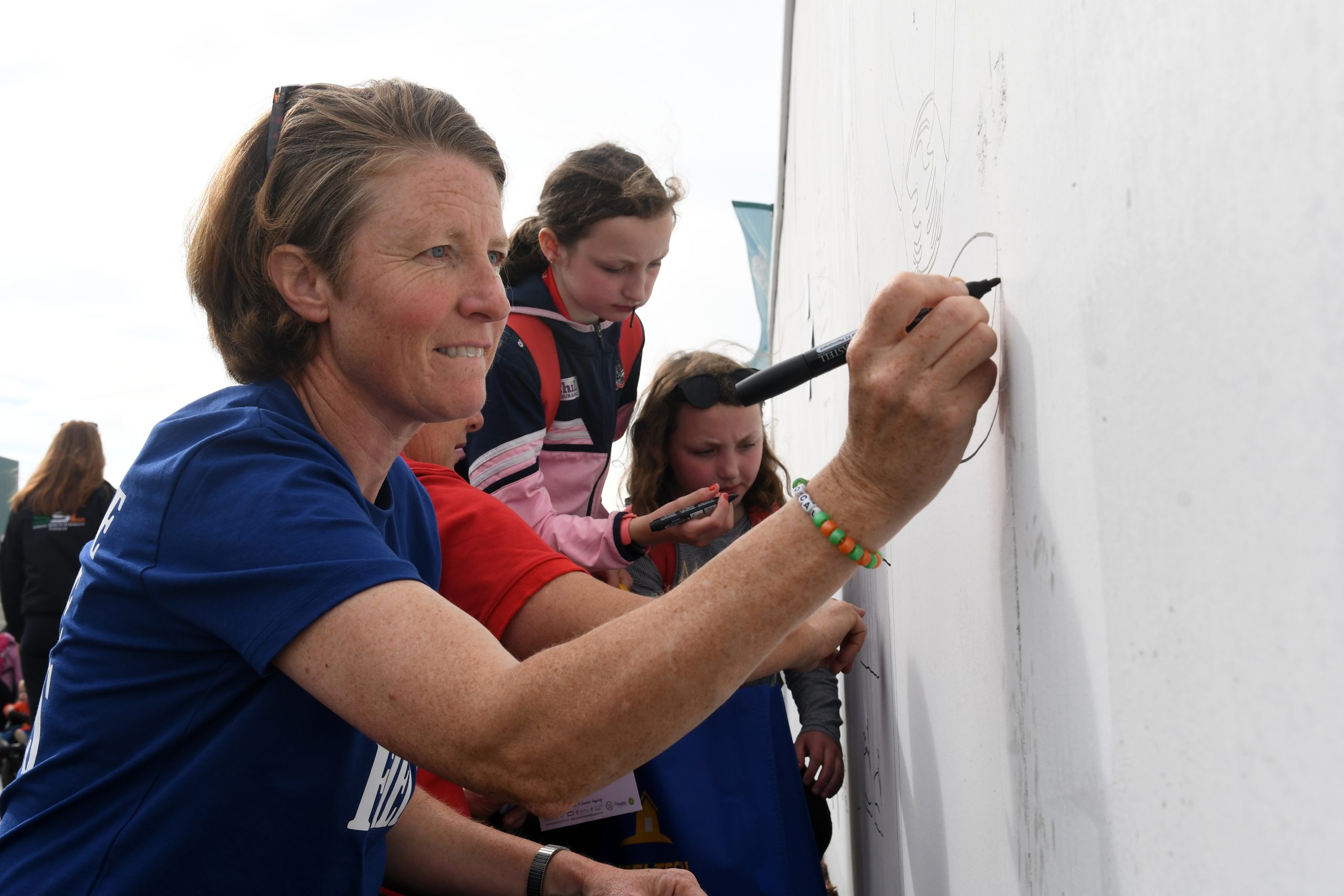
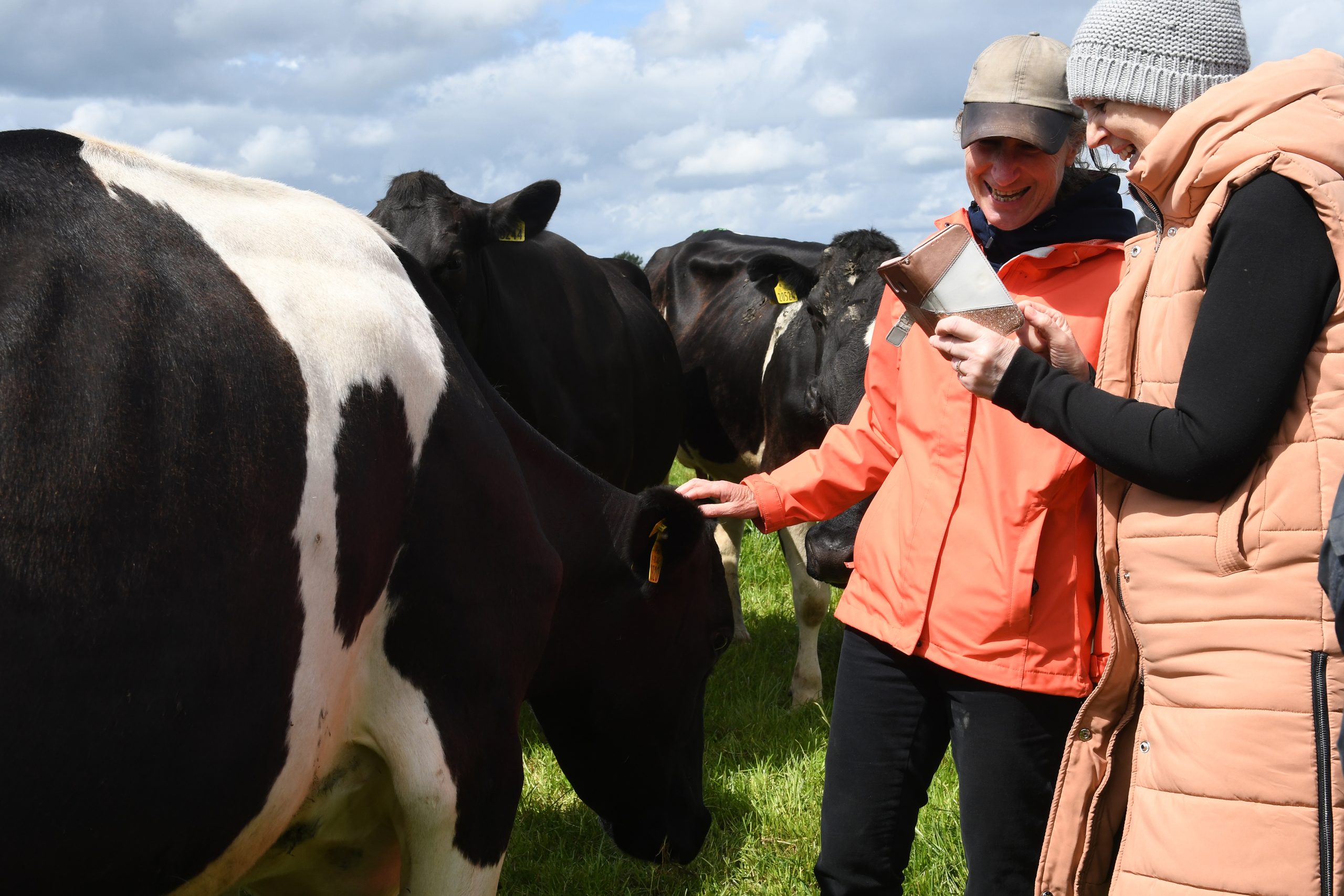
Artist, Lisa Fingleton at the Creative Wall at the National Ploughing Championship. Image credit: Corca Dhuibhne Inbhuanaithe / A Creative Imagining Project.
The initiative also ensured climate priorities were integrated into local and regional development plans, and its learnings were disseminated nationally and internationally, through featuring in Oireachtas debates, achieving UN recognition as a case study for sustainability, changing policy and practice of collaborating partners, and informing Ireland’s Our Rural Future policy. The model can be tailored and adopted to support rural communities in Ireland in delivering climate targets.
Promoting sustainable livelihoods while improving quality of life for residents, Dingle Peninsula 2030 has demonstrated how innovative community-led collaboration can deliver on public investment in research, with enduring economic and societal benefits.
Who is involved?
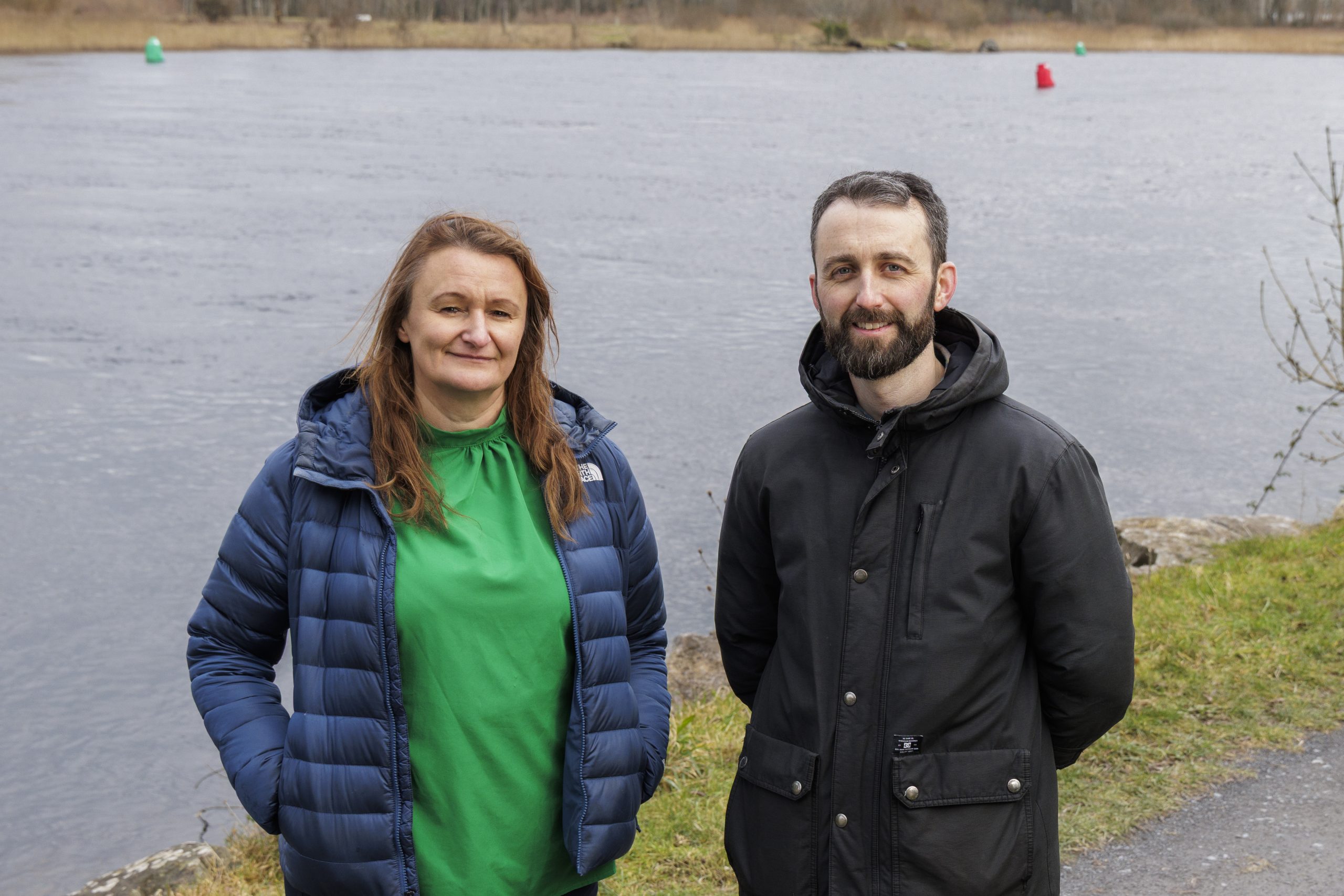
Led by Dingle Hub, ESB Networks, NEWKD (North East and West Kerry Development – a community development organisation), and MaREI, the Research Ireland Centre for Energy, Climate and Marine hosted at University College Cork.
Find out more: Project websiteProject website YouTubeYouTube