Human biomonitoring, advancing our knowledge on chemical exposures?
By Dr Alison Connolly, University College Dublin
Everyone is aware that chemicals are all around us and are an intricate part of our daily lives. Chemicals play an essential role in society, including the production of medicinal and medical device products, cleaning agents, cosmetics and within our workplaces. At the same time, chemicals can have adverse effects and can cause harm to human health and the environment. Many Europeans are worried about the impact of chemicals present in their environment and the impact on their health. Not all chemicals have the same hazardous properties, and some chemicals at low levels do not pose a risk of ill health; however, it is crucial to have information on the levels of different chemical exposures in the environment and among people. Especially considering that by 2030, it is estimated that chemical production will double from the previous decade. Chemical pollution is also one of the key drivers putting the Earth at risk, and it is crucial that we put safeguards in place to ensure the safety and well-being of the population.
The European Union and its member states have one of the most comprehensive regulatory frameworks worldwide and are a model for safety standards globally. The EU strive for ambitious goals to develop safer and more sustainable chemicals through the ‘European Green Deal‘ initiatives, which have key actions such as ‘Chemical Strategy for Sustainability Towards a Toxic-Free Environment’ to protect citizens and the environment against hazardous chemicals and the Zero Pollution Vision for 2050, to reduce pollution to levels no longer considered harmful that creates a toxic-free environment.
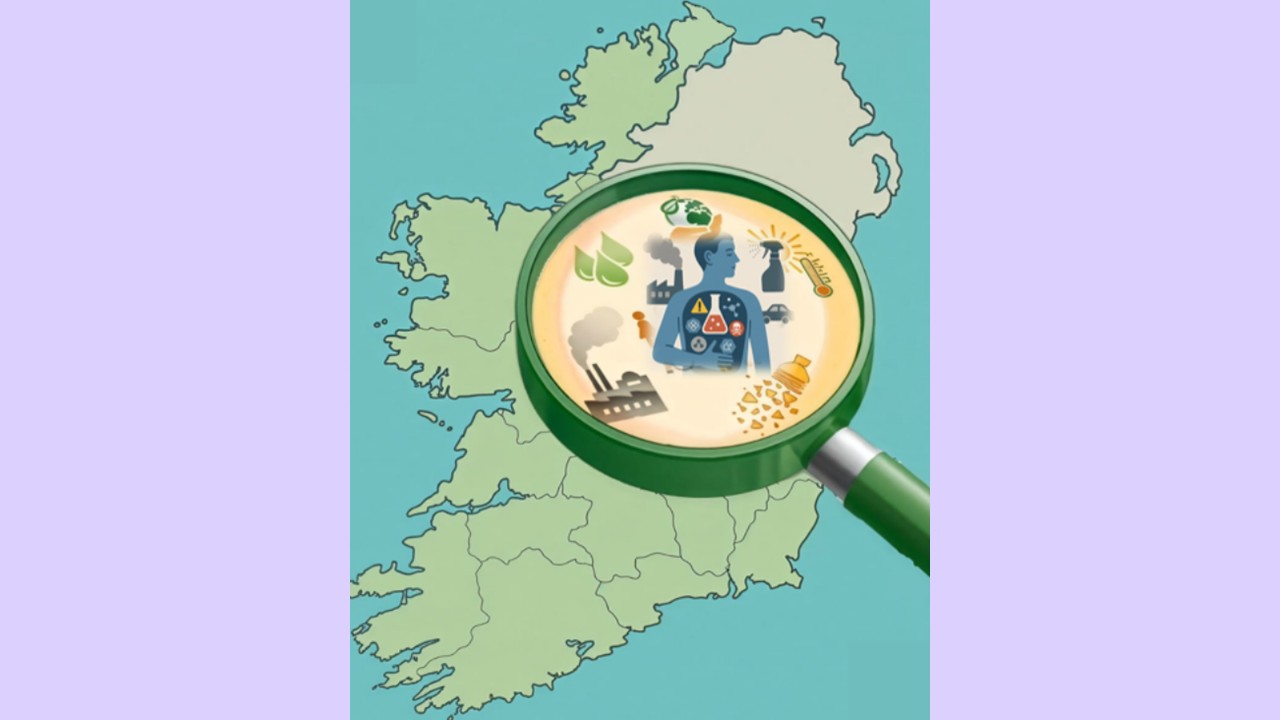
People are exposed to chemicals from the air we breathe, food and water intake, the products and cosmetics we use and the environments where we work. Knowing how all these exposures may affect the public is essential, especially as new chemicals enter the market almost every day. Many campaigns are done nationally to test our water sources, air quality and workplaces; however, each of these only assesses one exposure source. Each day, people can be exposed to multiple sources, so how can we better understand the collective chemical exposures that come from all routes and sources? Is there a way to evaluate collective chemical exposures to the population from all routes and sources?
Human Biomonitoring (HBM)
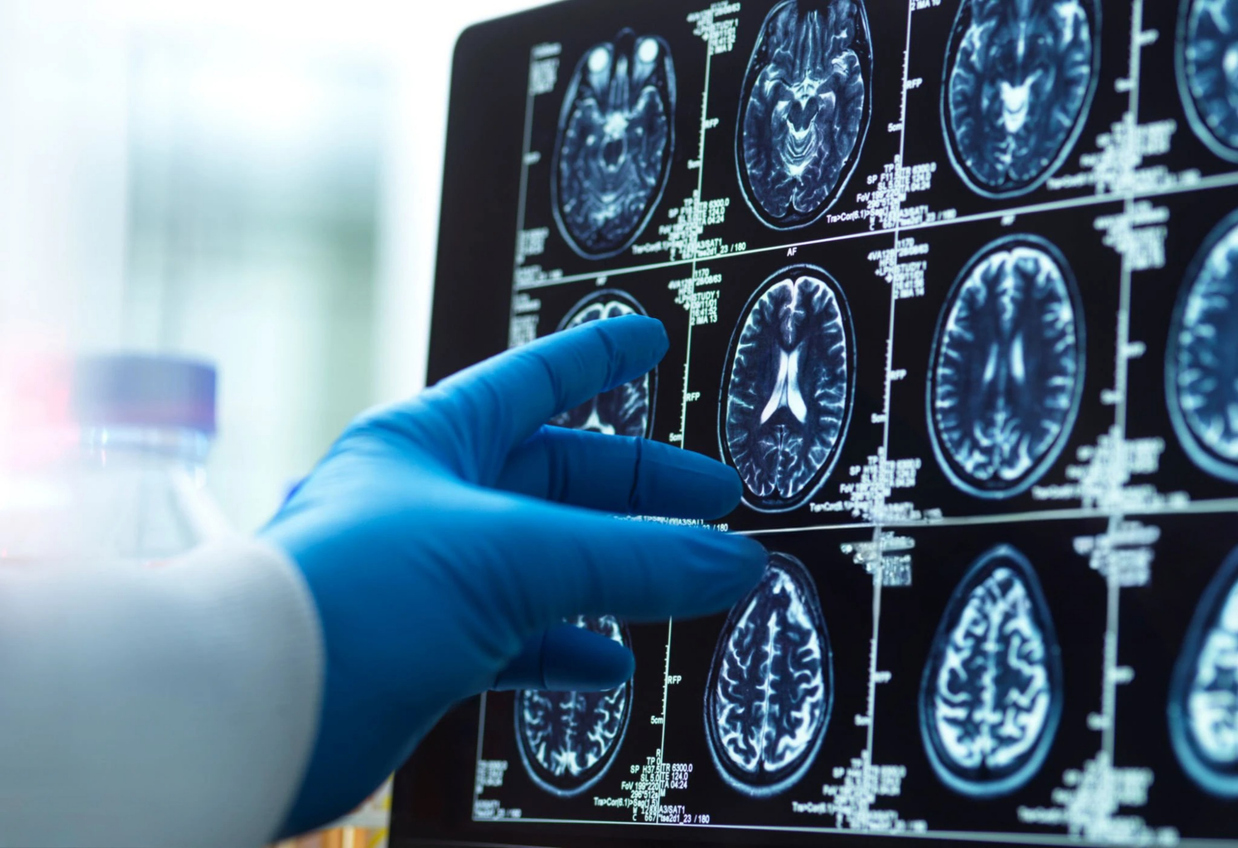
Human biomonitoring (HBM) involves collecting human samples such as blood, urine, and breast milk and analysing them to give direct measurements of chemical pollutants or their breakdown product concentrations. One of the major strengths of HBM is that it measures total exposures from various sources, which is more reflective of all your activities. HBM is probably the single, most effective method of obtaining realistic exposure data regarding multiple and aggregated chemical exposures from different sources.
Europe has made huge advancements in HBM practices and continues to progress rapidly. The most significant advancements seen in recent years are through the Human Biomonitoring for Europe (HBM4EU) and, most recently, the Partnership for the Assessment of the Risk from Chemicals (PARC), an unprecedented project scale and diversity, bringing together approximately 200 European experts across 29 countries, of which Ireland is a contributor. Ireland is also a partner for the World Health Organization (WHO) Environment and Health Process (EHP) Partnership on Human Biomonitoring that was launched in 2023, and it aims to extend the use of HBM to inform decisions for regulating hazardous chemicals and protect public health.
How can HBM help with chemical exposures?
HBM studies generate new knowledge about chemicals on the market and contribute to understanding how much chemicals are taken up by the body and whether the exposure is a concern for health. It can also help identify groups of people that might be exposed due to lifestyle, their occupation, where they live (i.e. rural versus urban) or ‘hotspots’, as well as identify factors that influence their exposures. This information can be immensely valuable for identifying any chemicals or areas of concern, allocating technical and financial resources, deciding on targeted actions to protect people and the environment, and informing the development of chemical policy, all contributing to efforts for a green and toxic-free environment.
HBM can also measure the success of implemented chemical policy change (e.g., chemical restriction). The United States restricted lead from petrol and paints, and measured lead exposure in the population decreased at a much more significant than expected, prompting the total elimination of lead from gasoline.
Human Biomonitoring (HBM) in Ireland
The exposure science research team at the University College Dublin (UCD) (led by the author) uses HBM sampling strategies to investigate chemical exposures among the general population in Ireland. The EIRE Study, funded through the Research Ireland Pathway Programme, investigates exposures to neonicotinoid insecticides among the Irish population, including users of insecticides (i.e. gardeners) and pet flea treatments among veterinary workers and pet owners. Other HBM studies include evaluating glyphosate exposures in Ireland.
This research group is also investigating the possibility of establishing the first national HBM chemical surveillance programme to evaluate chemical exposures within Ireland. The Human Biomonitoring for Ireland (HBM4IRE) study evaluated national programmes worldwide, conducted a national survey and hosted a stakeholder forum to provide insights into how Ireland could move forward with such a programme.
The data produced from national HBM studies would assist Irish regulators with conducting risk assessments by providing the required exposure data and information on potential sources and pathways of exposure. An essential element of HBM studies is finding volunteers to participate in these studies, and there are regular calls for volunteers to be contributors, which will assist with understanding chemical exposures and strive towards a healthier, zero-pollution ambition for Ireland.
Want to get involved?
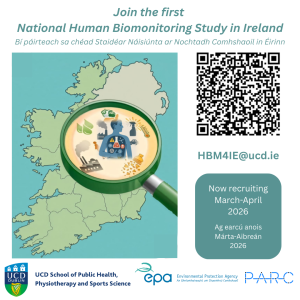
The Human Biomonitoring for Ireland (HBM4IE) project, funded by the Environmental Protection Agency aims to assess the chemical exposure of the Irish adult population using human biomonitoring (HBM), a gold-standard method for measuring pollutants in biological samples such as blood, serum, and urine. The project is currently recruiting volunteers aged 18-39 living in Ireland.
Find out more: HMB4IE studyHMB4IE study
About the author:
Dr Alison Connolly is an Assistant Professor at the UCD Centre for Safety and Health at Work (CSHW) within the UCD School of Public Health, Physiotherapy and Sports Science. The Programme Director of the UCD Higher Diploma of the Safety, Health and Well-Being at Work. Dr Connolly is an exposure scientist whose research is motivated by the protection of human health by evaluating and understanding exposures to new and emerging pollutants, which is predominantly focused on the utilisation of the exposure assessment methodology, human biomonitoring (HBM).