Research Ireland Spotlight: CHIST-ERA 2025 – Science In Your Own Language
Research Ireland is pleased to be funding three projects under the CHIST-ERA Call 2025, with a total funding commitment amounting to €475,507 over three years.
The topic of the 2025 call was Science in Your Own Language, and focused on automatic translation of scientific knowledge to overcome language and cultural barriers.
The programme was designed to:
(1) account for the needs of scientists or technologists who generate knowledge in their own language, but need to publish, compete, or peer review in a different one; and
(2) assist scientists, technologists or citizens who would like to benefit from the knowledge contained in documents or repositories featuring foreign languages.
The three Research Ireland-funded projects examine ways that automatic translation technology can be developed and used to make scientific knowledge more accessible, and to reduce language and cultural barriers, i.e.:
Open Science Communication through AI in EU Languages – OSCAIL Project
The Anglocentric nature of scholarly communication has many implications, such as limiting both publication and access from other language communities (even for major languages); putting minoritized languages at risk in the academic domain; and excluding many from peer review.

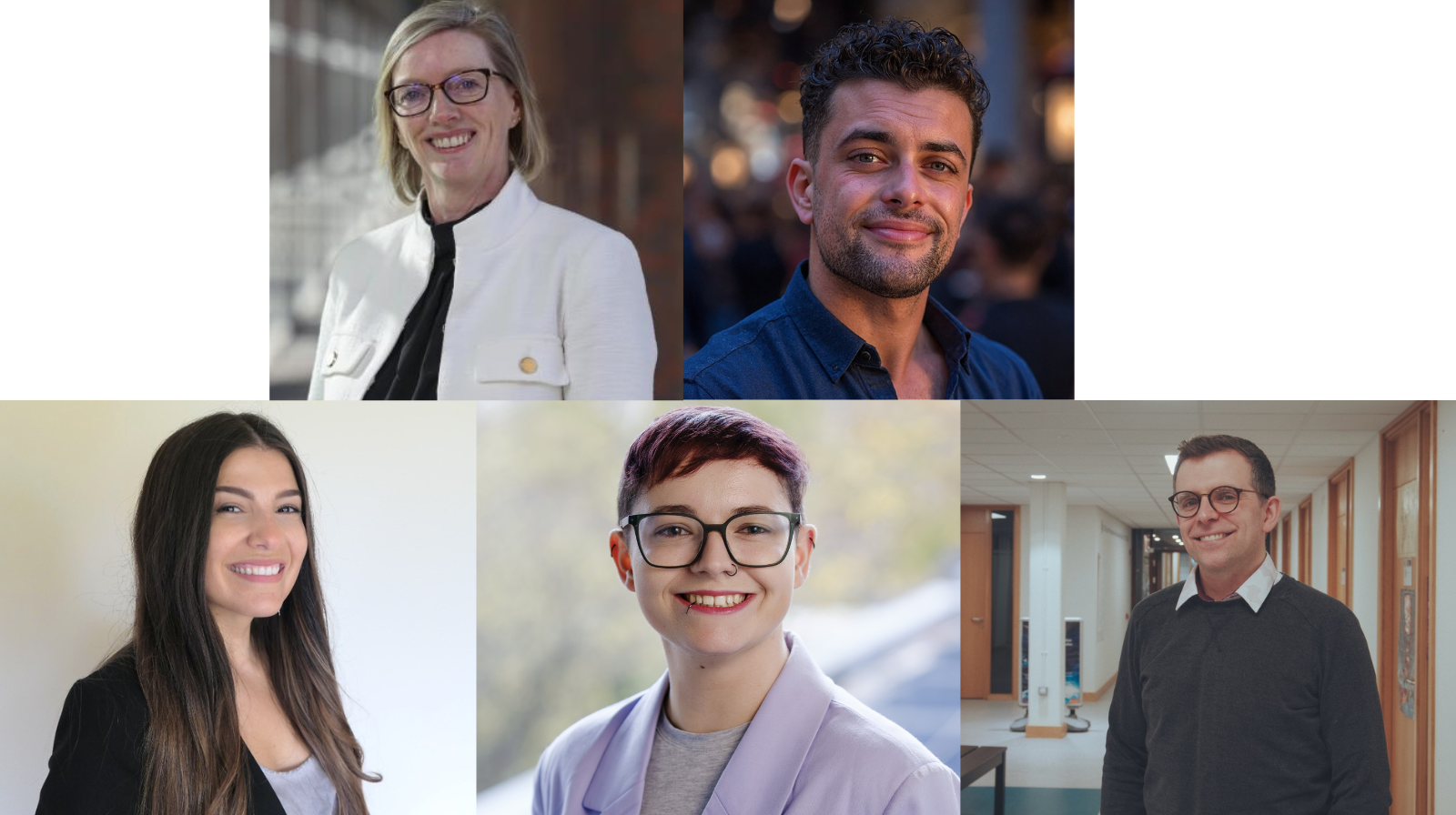
Dr Sheila Castilho, Dublin City University
These issues are worsened by the limited availability of linguistic data and language technologies for machine translation (MT) in most languages. To tackle these issues, OSCAIL will gather domain-specific data in project languages and gather experts across multiple disciplines who will work with linguistic communities to explore new techniques of improving large language model (LLM)-based MT systems for scholarly translation.
Outputs will be integrated into the Open Journal System, the world’s most widely-used scholarly publishing platform for article submission, peer review, and production.
OSCAIL will focus on three key use cases:
- Peer review: using MT to enable reviewers to work in their preferred language, and allowing authors to write and respond in the language of their choice
- E-discovery: allowing researchers, journal managers, and library and information science professionals to access and cite multilingual publications via translated metadata and content.
- Plain language summarisation and MT of content into project languages for lay readers.
The project will produce protocols, guidelines, and for open science publication platforms, with awareness of the ethical issues involved and maximising the appropriate use of current technologies in overcoming language and cultural barriers for knowledge sharing in Europe.
Dr Sheila Castilho | Dublin City University
TaMTAS
Scientific knowledge is often mainly shared in English, which can make it difficult for many people and communities to fully access and benefit from it. TaMTAS aims to improve how scientific texts are translated into different languages, so both researchers and the public can read and understand them in their own language.
Prof. Sharon O’Brien, Dublin City University

Dr Vicent Briva Iglesias, Dublin City University
The project develops a new translation system that pays special attention to scientific terminology, ensuring that technical terms are translated accurately and consistently. It uses advanced forms of artificial intelligence that can “reason” about translation choices, review their own output, and maintain coherence across whole documents – not just sentence by sentence.
To further improve translation quality, the system will automatically detect possible terminology errors and correct them. It will also learn from these corrections over time. In addition, the project will create adapted versions of scientific texts – for example, simplified or more explanatory versions – making them easier to use in classrooms and public outreach.
TaMTAS will work with five languages: English, Spanish, Catalan, Estonian, and Irish, focusing on real scientific material in the Life Sciences. The project will collaborate with research and cultural organizations in Spain, Estonia, and Ireland to ensure that the translations work well for real users. The final goal is to make scientific knowledge more accurate, inclusive, and accessible, helping build a fairer and more connected global research community.
Dr Vicent Briva Iglesias | Dublin City University
Prof. Sharon O’Brien | Dublin City University
ARTICULATE (UCD)
A major barrier to disseminating and democratising scientific advances is access to languages that dominate scientific content, but also the mismatch between the formal language of scientists and the everyday expressions understood by the public.
Prof. Ben Cowan, University College Dublin

Dr Madeleine Steeds, University College Dublin
This project aims to translate science across languages, in a way that is easily understood and sounds natural to native speakers of a language. The work aims to use generative AI to reframe science research into speech, creating an engaging dialog based digital experience that can translate science into engaging, everyday language, and bring modern science to life for citizens, undergraduates and postgraduates across Europe.